

A stroke can change a person’s life within minutes. Simple daily activities like walking, speaking, eating, or getting out of bed may suddenly become difficult.
While hospital treatment is the first step, recovery truly begins after the patient returns home.
At this stage, proper care, rehabilitation, and continuous monitoring become essential for regaining independence and preventing complications.
Providing nursing care for stroke patients at home helps create a safe and familiar environment where recovery can continue with personalized attention.
Professional nurses support medication management, monitor vital signs, assist with mobility, reduce the risk of infections, and guide families through every stage of recovery.
Combined with rehabilitation therapies, home-based care can significantly improve comfort, confidence, and long-term outcomes.
Whether you’re caring for a loved one or looking for professional home healthcare services, this guide explains everything you need to know—from daily nursing routines and rehabilitation to warning signs, recovery timelines, and expert recommendations.
What Is Nursing Care for Stroke Patients at Home?
Featured Snippet Answer
Nursing care for stroke patients at home refers to professional medical and personal care provided in the patient’s home after a stroke.
It includes medication management, vital sign monitoring, mobility assistance, wound care, rehabilitation support, nutritional guidance, and caregiver education to promote safe recovery and reduce complications.
Home nursing is suitable for patients recovering from both ischemic and hemorrhagic strokes.
Depending on the patient’s condition, care may be needed for a few weeks or several months.
Professional stroke nursing services often include:
- Blood pressure and blood sugar monitoring
- Medication administration
- Personal hygiene assistance
- Bedridden patient care
- Mobility assistance after stroke
- Feeding and swallowing support
- Catheter or feeding tube care
- Rehabilitation guidance
- Family caregiver training
- Emergency symptom recognition
The goal is not only to improve physical health but also to restore confidence and independence whenever possible.
Why Is Home Nursing Important After a Stroke?
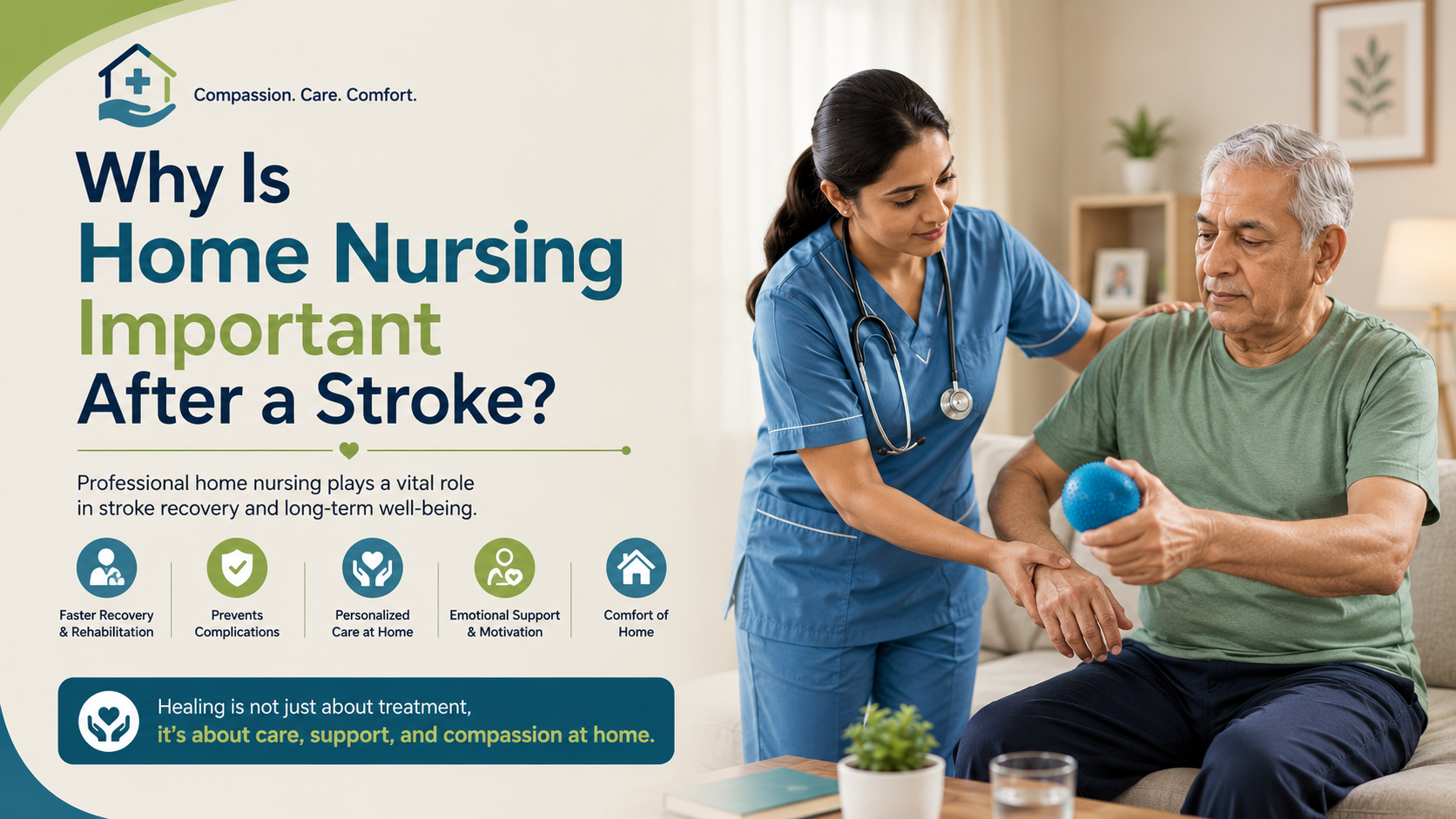
Recovery doesn’t stop after hospital discharge. In fact, the first few months are often the most important because the brain has its greatest ability to recover during this period.
Professional home nursing care offers several benefits that family members alone may struggle to provide.
Better Recovery Outcomes
Skilled nurses monitor neurological changes, encourage safe movement, and help patients follow their rehabilitation plans consistently.
Reduced Risk of Complications
Stroke survivors face higher risks of:
- Falls
- Pneumonia
- Pressure ulcers
- Blood clots
- Urinary tract infections
- Malnutrition
- Medication errors
Early intervention helps prevent these problems before they become serious.
Personalized Care
Unlike busy hospital settings, home care focuses entirely on one patient. Nurses adjust care according to the patient’s mobility, speech, swallowing ability, and overall health.
Emotional Comfort
Recovering at home reduces stress and anxiety. Familiar surroundings often encourage patients to participate more actively in rehabilitation.
Who Needs Home Nursing After a Stroke?
Not every stroke survivor requires full-time nursing care, but many benefit from professional support during recovery.
Home healthcare is especially recommended for patients who:
- Have weakness on one side of the body (hemiplegia)
- Cannot walk independently
- Need help with bathing and dressing
- Have difficulty swallowing
- Experience speech or communication problems
- Require injections or IV medications
- Need catheter care
- Have diabetes or heart disease along with stroke
- Are elderly and living alone
- Need long-term neurological rehabilitation
Patients with severe paralysis often require 24-hour nursing care, while others may only need a few scheduled visits each week.
How Can a Nurse Help a Stroke Patient Recover at Home?
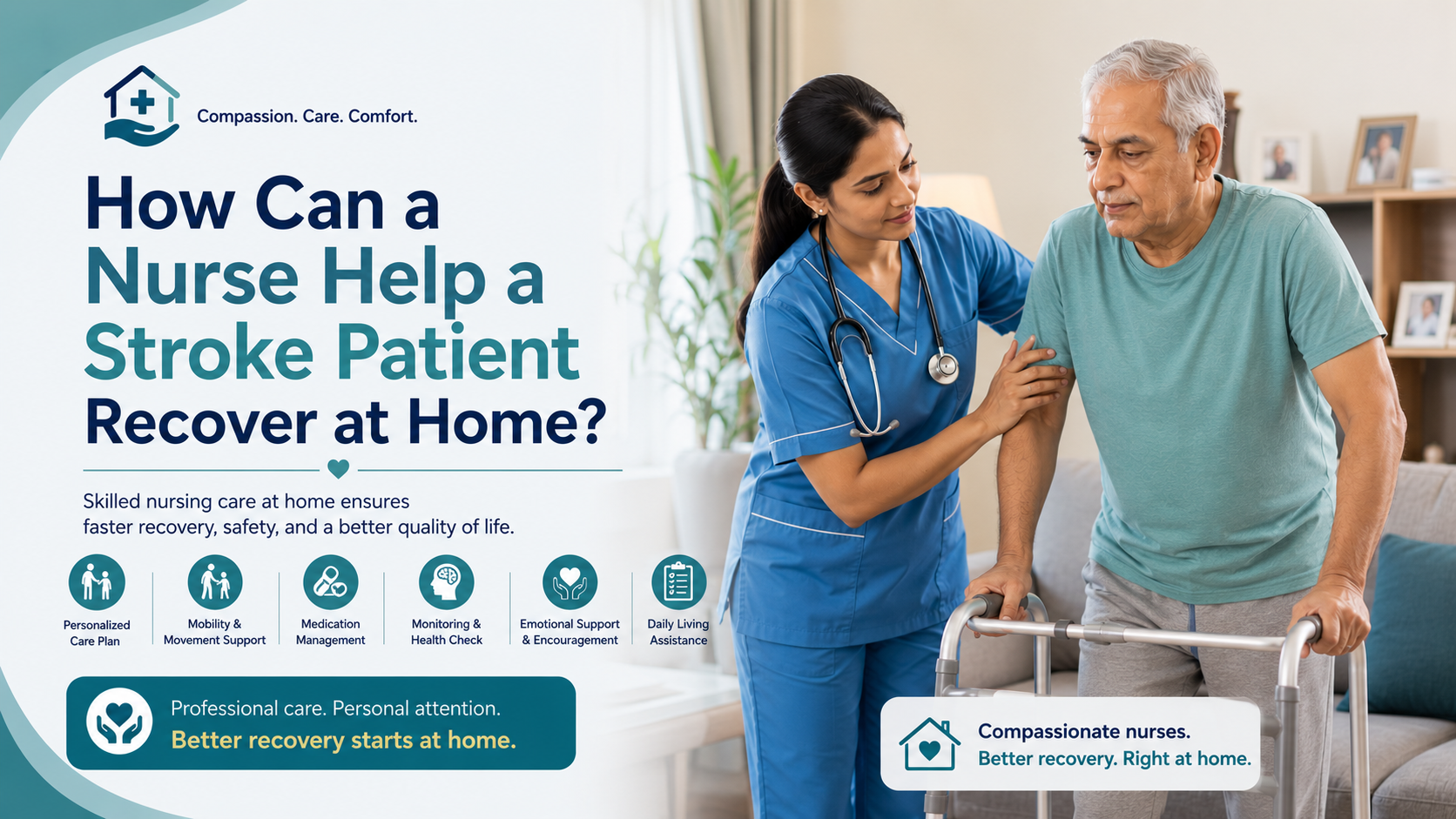
Professional nurses play a central role in recovery by combining medical expertise with compassionate care.
Their responsibilities typically include:
Medication Management
Stroke medications often include:
- Blood thinners
- Blood pressure medicines
- Cholesterol-lowering drugs
- Diabetes medications
- Pain management medicines
A home nurse ensures medications are taken correctly and watches for side effects or missed doses.
Blood Pressure Monitoring
High blood pressure remains one of the leading causes of recurrent strokes.
Regular monitoring allows early detection of abnormal readings so healthcare providers can adjust treatment before complications develop.
Personal Hygiene Assistance
Maintaining cleanliness helps prevent infections and skin problems.
Daily support may include:
- Bathing
- Oral hygiene
- Hair care
- Nail care
- Dressing assistance
- Toileting support
Proper hygiene also improves dignity and emotional well-being.
Mobility Assistance
One of the biggest challenges after a stroke is reduced movement.
Nurses help patients:
- Sit safely
- Transfer from bed to chair
- Walk with support
- Prevent falls
- Build strength gradually
Regular movement also lowers the risk of blood clots and muscle stiffness.
Nutritional Support
Many stroke survivors experience swallowing difficulties.
A nurse can:
- Recommend appropriate food textures
- Monitor hydration
- Reduce choking risks
- Encourage balanced nutrition
- Track weight changes
When necessary, nurses also care for feeding tubes under physician guidance.
Early Detection of Complications
Prompt recognition of warning signs can save lives.
A trained nurse watches for:
- Sudden weakness
- New speech problems
- Severe headaches
- Fever
- Chest pain
- Difficulty breathing
- Confusion
- Signs of infection
Immediate medical attention may prevent another stroke or serious complications.
What Services Are Included in Stroke Home Nursing?
Home nursing services often combine medical treatment with rehabilitation and personal care.
Common services include:
Medical Care | Rehabilitation Support | Personal Assistance |
Medication administration | Home physiotherapy | Bathing assistance |
Blood pressure monitoring | Speech therapy coordination | Dressing support |
Blood sugar monitoring | Occupational therapy support | Feeding assistance |
Wound care | Mobility training | Toileting help |
Catheter care | Balance exercises | Grooming |
Feeding tube care | Home exercise supervision | Position changes |
Many providers also coordinate with physiotherapists, speech therapists, and rehabilitation specialists to create a comprehensive recovery plan.
How Can Stroke Rehabilitation at Home Improve Recovery?
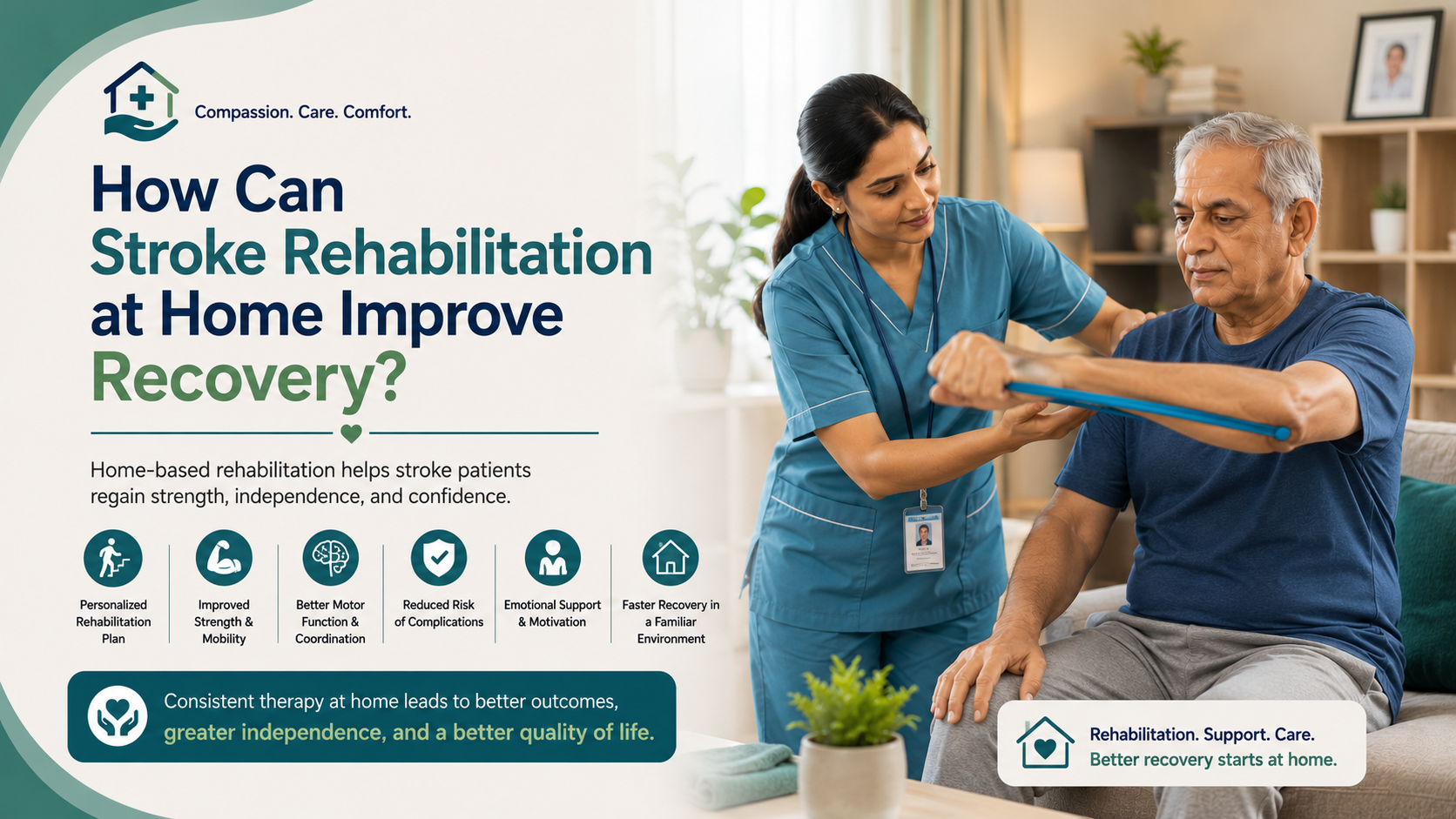
Rehabilitation is one of the most important parts of stroke recovery. While medications help prevent another stroke, rehabilitation helps the brain and body relearn lost skills.
Consistent therapy at home often leads to better long-term results because patients practice in a familiar and comfortable environment.
A home-based rehabilitation plan usually combines several therapies based on the patient’s condition.
Home Physiotherapy for Stroke Patients
Physiotherapy focuses on improving movement, balance, coordination, and muscle strength.
A licensed physiotherapist creates exercises that match the patient’s mobility level and gradually increase the intensity as recovery progresses.
Common physiotherapy activities include:
- Range-of-motion exercises
- Walking and gait training
- Balance improvement exercises
- Muscle strengthening
- Joint flexibility exercises
- Transfer training (bed to chair)
Even patients with partial paralysis can benefit from daily guided exercises that reduce stiffness and improve circulation.
Speech Therapy After Stroke
Many stroke survivors experience difficulty speaking, understanding language, or swallowing.
Speech therapy helps improve communication skills while also addressing swallowing disorders that may increase the risk of choking.
Speech therapists may work on:
- Pronunciation exercises
- Language comprehension
- Memory improvement
- Swallowing techniques
- Cognitive communication skills
Regular practice often leads to noticeable improvements over time.
Occupational Therapy for Stroke
Occupational therapy helps patients regain independence in everyday activities such as:
- Eating
- Dressing
- Bathing
- Writing
- Cooking
- Using household items safely
The therapist may also recommend adaptive equipment that makes daily tasks easier.
How Should You Care for a Stroke Patient Every Day at Home?
A structured daily routine promotes recovery and reduces complications. While every patient has unique needs, consistency is key.
A Sample Daily Care Routine
Time | Activity |
Morning | Check blood pressure, administer medication, assist with personal hygiene |
Breakfast | Healthy meal with adequate hydration |
Mid-Morning | Physiotherapy exercises |
Afternoon | Walking practice or mobility training, rest period |
Evening | Speech or occupational therapy exercises, medication review |
Night | Skin inspection, repositioning if bedridden, comfortable sleep positioning |
Following a routine helps patients stay active while preventing fatigue.
How Can Caregivers Prevent Bed Sores in Stroke Patients?
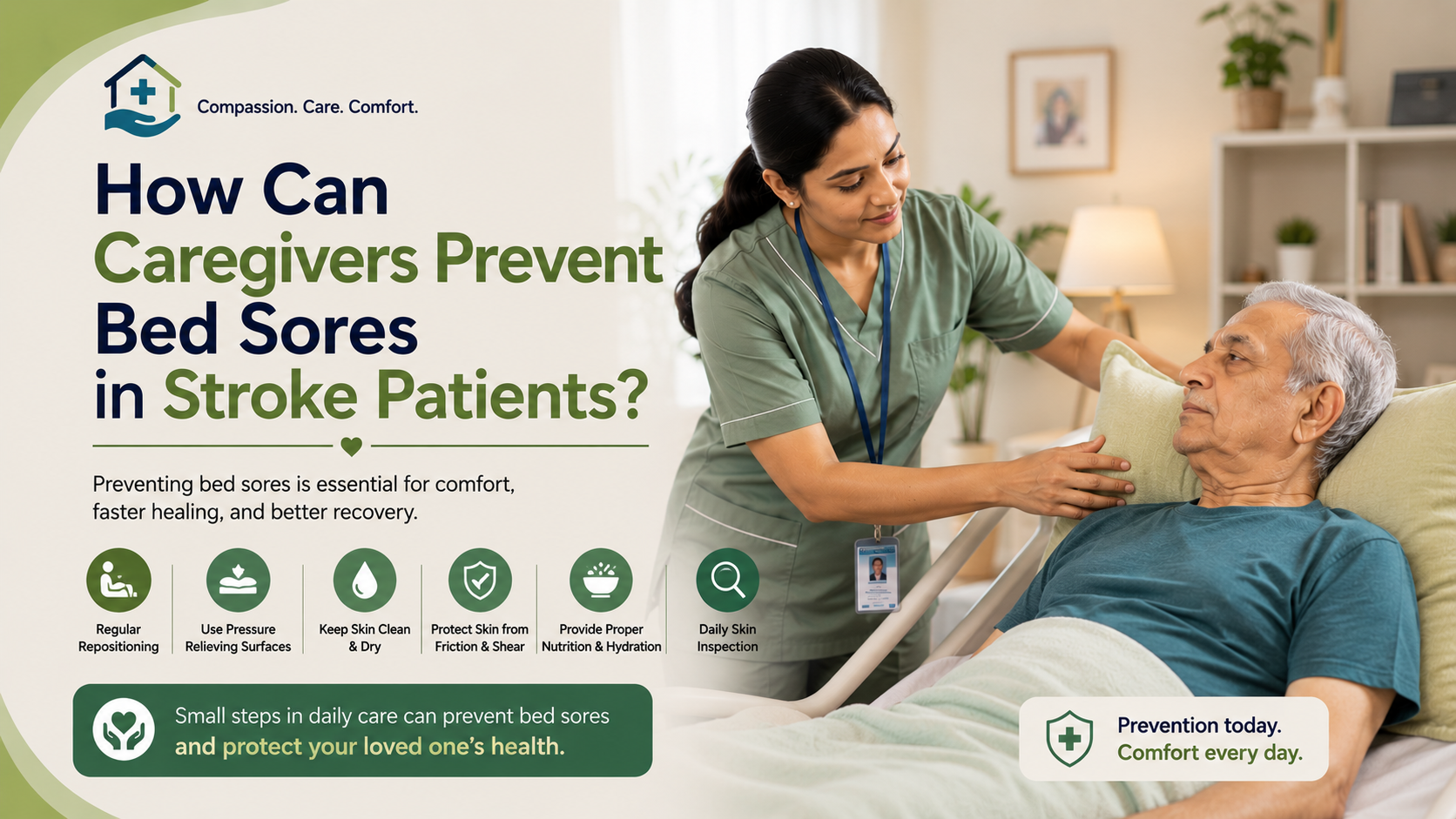
Patients who remain in bed for extended periods are at risk of developing pressure ulcers, also known as bed sores.
Best Practices for Prevention
- Reposition the patient every two hours.
- Keep skin clean and dry.
- Use pressure-relieving mattresses or cushions.
- Inspect the skin daily for redness or irritation.
- Ensure proper nutrition and hydration.
- Encourage movement whenever possible.
Early detection can prevent minor skin irritation from becoming a serious wound.
What Should Stroke Patients Eat During Recovery?
Good nutrition supports brain healing, muscle strength, and overall health. A balanced diet also helps control blood pressure, cholesterol, and diabetes, reducing the risk of another stroke.
Recommended Foods
- Fresh fruits and vegetables
- Whole grains
- Lean proteins such as fish and chicken
- Beans and legumes
- Low-fat dairy products
- Healthy fats from nuts and olive oil
Foods to Limit
- High-sodium processed foods
- Sugary drinks
- Fried foods
- Excess saturated fats
- Alcohol (unless approved by the physician)
If swallowing is difficult, a healthcare provider may recommend soft foods or thickened liquids to reduce choking risk.
What Are the Most Common Complications After a Stroke?
Even after hospital discharge, stroke survivors remain vulnerable to several health complications. Early recognition and timely treatment can make a significant difference.
Common complications include:
- Recurrent stroke
- Pneumonia
- Urinary tract infections
- Blood clots
- Depression and anxiety
- Muscle contractures
- Shoulder pain
- Swallowing difficulties
- Falls and fractures
- Pressure ulcers
Professional home nursing services help identify these issues before they become emergencies.
What Mistakes Should Caregivers Avoid?
Family members often provide excellent emotional support, but certain mistakes can unintentionally slow recovery.
Avoid These Common Errors
 Skipping prescribed medications
Missing rehabilitation sessions
Allowing prolonged bed rest
Ignoring mood changes or depression
Feeding foods that increase choking risk
Not monitoring blood pressure regularly
Attempting transfers without proper technique
Waiting too long to report new symptoms
Instead, caregivers should maintain open communication with healthcare providers and follow the rehabilitation plan consistently.
Can Stroke Patients Recover Faster With Home Nursing?
Recovery speed varies depending on the type of stroke, the area of the brain affected, age, overall health, and how quickly rehabilitation begins.
Professional home nursing cannot guarantee faster recovery, but it can improve the conditions that support rehabilitation.
Patients receiving coordinated home healthcare often benefit from:
- Better medication adherence
- Safer mobility
- Reduced hospital readmissions
- Earlier identification of complications
- Greater consistency with rehabilitation
- Improved confidence and emotional well-being
The greatest improvements usually occur within the first three to six months, although progress can continue well beyond the first year.
How Long Does Stroke Recovery Take?
There is no single recovery timeline. Every patient’s journey is different.
Typical Recovery Timeline
Time After Stroke | Recovery Focus |
First Month | Medical stabilization and early rehabilitation |
1–3 Months | Significant gains in movement, speech, and daily activities |
3–6 Months | Continued improvement with therapy |
6–12 Months | Long-term rehabilitation and independence training |
Beyond One Year | Ongoing recovery and lifestyle management |
Consistency is often more important than speed. Even small daily improvements can lead to meaningful long-term progress.
Where Can You Find Professional Stroke Home Care in Karachi?
Families searching for home nursing services in Karachi should choose providers that employ qualified and licensed healthcare professionals experienced in neurological rehabilitation.
When selecting a provider, consider whether they offer:
- Registered nurses with stroke care experience
- Home physiotherapy for stroke patients Karachi
- Medication management
- Blood pressure and vital sign monitoring
- Bedridden patient care
- Speech and occupational therapy coordination
- 12-hour or 24-hour nursing care
- Emergency response support
- Personalized care plans
- Regular communication with physicians
Choosing a trusted home healthcare provider can make recovery safer and more comfortable while reducing stress for family caregivers.
What Are the Best Practices for Long-Term Stroke Care at Home?
Long-term recovery requires patience, consistency, and teamwork. Nurses, therapists, physicians, caregivers, and family members all play an important role in helping stroke survivors regain independence and maintain a good quality of life.
Expert-Recommended Best Practices
 Follow the prescribed medication schedule without missing doses.
Monitor blood pressure, blood sugar, and other vital signs regularly.
Encourage safe daily movement to improve strength and prevent muscle stiffness.
Attend all physiotherapy, speech therapy, and occupational therapy sessions.
Maintain a heart-healthy diet rich in fruits, vegetables, whole grains, and lean proteins.
Keep follow-up appointments with healthcare providers.
Create a safe home environment by removing fall hazards, installing grab bars, and ensuring adequate lighting.
Support emotional well-being by encouraging social interaction and addressing signs of depression or anxiety early.
Educate family caregivers on safe lifting, positioning, feeding, and emergency response techniques.
Practical Example
Imagine a 72-year-old stroke survivor who struggles with weakness on one side of the body.
A home nurse visits daily to monitor blood pressure, administer medications, assist with mobility exercises, and educate family members about proper positioning.
A physiotherapist provides structured rehabilitation sessions three times a week, while a speech therapist helps improve communication and swallowing.
With consistent care and family support, the patient gradually regains confidence and becomes more independent in daily activities.
This example highlights how coordinated home healthcare can improve recovery while reducing the likelihood of complications and hospital readmissions
Frequently Asked Questions
What is the best home care for stroke patients?
The best home care combines skilled nursing, physiotherapy, speech therapy, medication management, healthy nutrition, mobility assistance, and regular medical monitoring.
A personalized care plan offers the best chance for a safe and successful recovery.
How often does a stroke patient need home nursing care?
The frequency depends on the patient’s condition. Some individuals benefit from daily or 24-hour nursing care, while others only require a few visits each week for medication management, rehabilitation support, or health monitoring.
Can stroke patients recover completely at home?
Many stroke survivors make significant progress at home with consistent rehabilitation and medical support.
Recovery varies based on the type of stroke, its severity, the patient’s overall health, and how early rehabilitation begins.
When should you hire a home nurse after a stroke?
A home nurse should be considered soon after hospital discharge if the patient has mobility limitations, swallowing difficulties, paralysis, medication management needs, or requires ongoing medical supervision and rehabilitation support.
How much does home nursing care for stroke patients cost in Karachi?
The cost varies depending on the nurse’s qualifications, the number of care hours, rehabilitation services required, and whether specialized neurological care or 24-hour support is needed.
Contact reputable home healthcare providers in Karachi for a personalized assessment and quotation.
Conclusion
Recovering from a stroke is a journey that extends well beyond the hospital.
Consistent rehabilitation, proper medication management, nutritional support, and compassionate caregiving all contribute to better outcomes.
Professional nursing care for stroke patients at home provides personalized medical attention, promotes safer recovery, supports independence, and gives families confidence that their loved one is receiving high-quality care.
Whether the patient requires short-term rehabilitation or long-term assistance, a structured home care plan combined with skilled nursing and therapy services can make a meaningful difference.
If your loved one is recovering from a stroke, consider consulting a qualified home healthcare provider to develop a personalized care plan that supports long-term health and quality of life.