

Everything is different when a loved one gets ill. Daily routines stop. Sleep becomes limited. Stress increases. Families are forced to balance between work, duties, and taking care of the patient.
You would like to offer the most useful help, but medical work is also a matter of professionalism, patience, and capabilities.This is a challenging situation for many families.
A parent has some mobility problems. A post-surgical patient needs wound care and medication administration. A chronically ill person requires monitoring daily.
Visiting hospitals is tiring and wastage of time.It is at this point that a nurse aid is necessary. Instead, a trained professional enters your house and offers organized medical and personal care.
Families become in charge and more confident instead of being beaten.
This is the full guide where you will understand what professional home nursing services are, what they contain, how they are kept safe,e and why this is the best choice of qualified nurse assistance to ensure that the patients and their families remain safe.
Why Families Need a Nurse Aid at Home
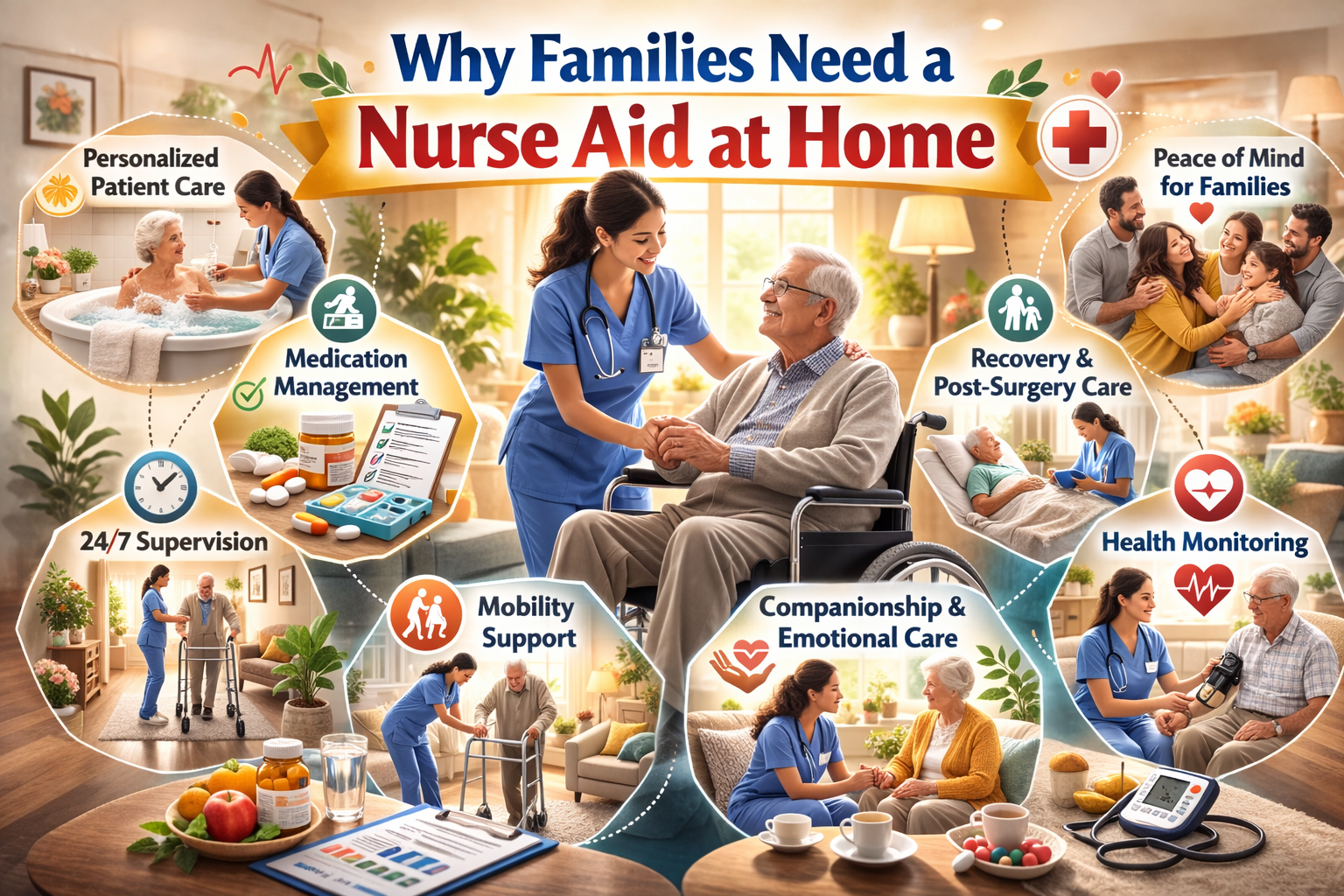
The healthcare has moved toward home-based customized services. Patients are quicker to heal when they are in a well-known and cozy place.
Emergency treatment is effective in hospitals; however, long-term care can be more effective at home.A nurse aid assists patients who need daily medical care but do not have to be hospitalized all the time.
These are the old ones, post-surgery patients, and those who are chronically sick. Families enjoy organized medical care rather than depending on the services of untrained assistants.
This will decrease the complications, enhance recovery, and decrease the emotional stress.
Role and Responsibilities of a Professional Nurse Aid
A professional nurse assistant is an undertaker of medical and supportive duties. Depending on the condition of the patient, their tasks may vary; still, they usually include:
- Checking of the vital signs, including blood pressure, pulse, and temperature.
- Helping with the administration of medication.
- Wound care and changing of dressings.
- Promoting safe movement and mobility.
- Helping perform hygiene and activities of daily living.
- Monitoring health status alterations.
- Updating oversight of physicians or relatives.
This brings home care to life since it is both effective and reliable in terms of medical expertise and personal support.
An ethical nurse aid is a trained nurse who acts under a certain code of ethics and adheres to the correct medical practices to protect the patients.
Post Surgery Recovery Support
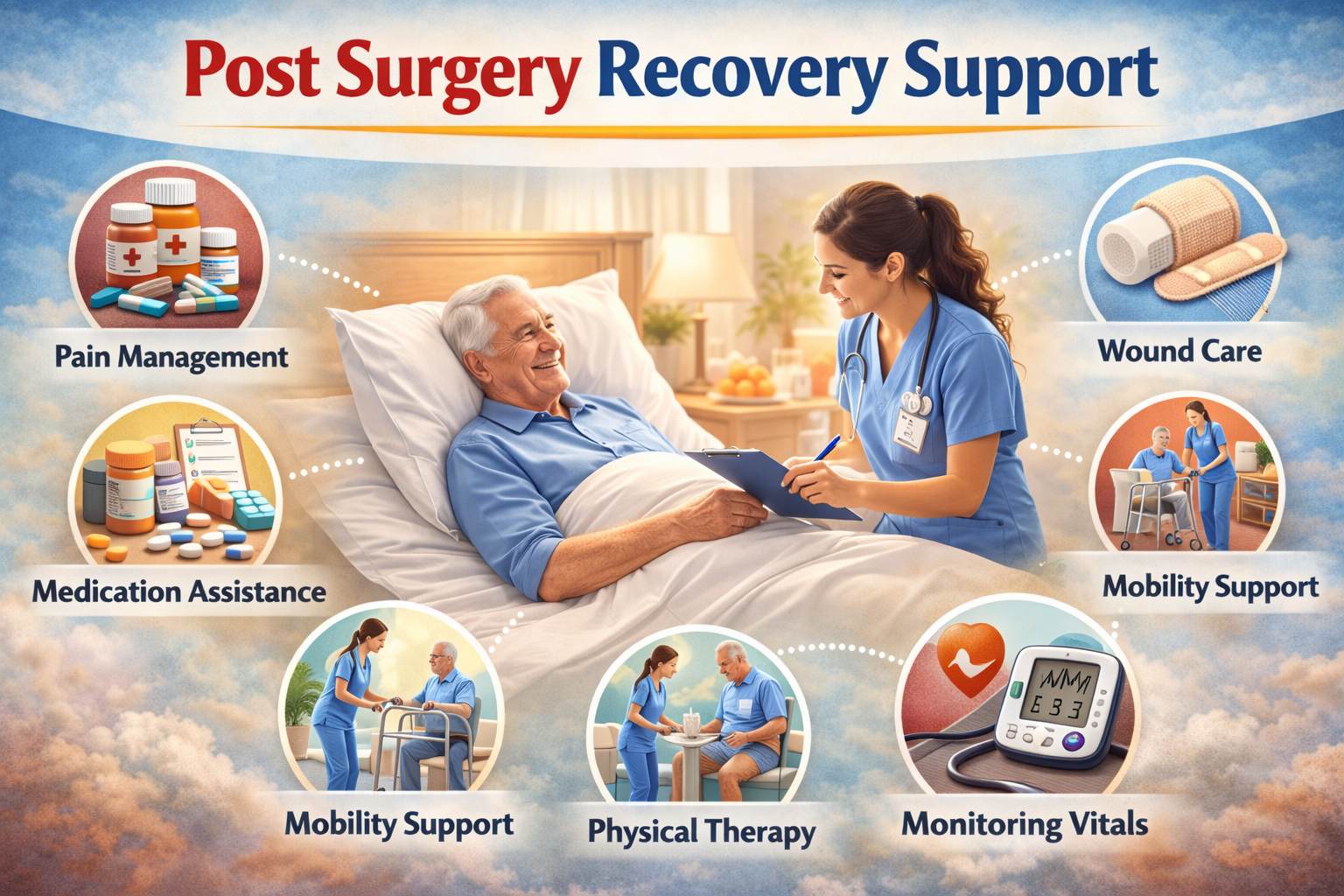
Postoperative recovery should be closely monitored. The patients frequently require help with medication, wound care, mobility, and pain management.
One of the nurse aides monitors and cleans the surgical wounds. They monitor the symptoms of infection and report the issues as soon as possible.
They are also useful in helping patients to move safely to avert strain or injury.Professional care at home also helps patients to develop fewer complications and recuperate faster.
It is encouraging to the families to have a trained professional in charge of recovery.
Elderly Care and Daily Assistance
Aging is accompanied by physical and emotional difficulties. The weakness, balance, and memory problems are common among many elderly people.
A nurse aid offers systematic daily care. They help in bathing, dressing, feeding, and medicine reminder. They check the state of health, such as diabetes or high blood pressure, and observe changes.
Such regular attention minimizes the risks of falls or missed medications. It further enhances emotional well being since the elderly patients are exposed to a compassionate interaction and companionship.
Home based elderly care aids in preserving dignity without compromising on medical safety.
Chronic Disease Management
Long-term diseases should be attended to. Such illnesses as diabetes, heart disease, and respiratory disorders require daily checking.
A nurse aid measures vital signs frequently and makes sure the medication is taken. They keep proper health records and communicated to the doctors when there is a need to do so.
This preventive treatment eliminates crises and lowers hospital readmission. The stability of patients is enhanced in the case of consistent supervision.
Families are usually left with the work of chronic disease management on their own. The professional nursing support brings order and tranquility.
Personal Care and Hygiene Support
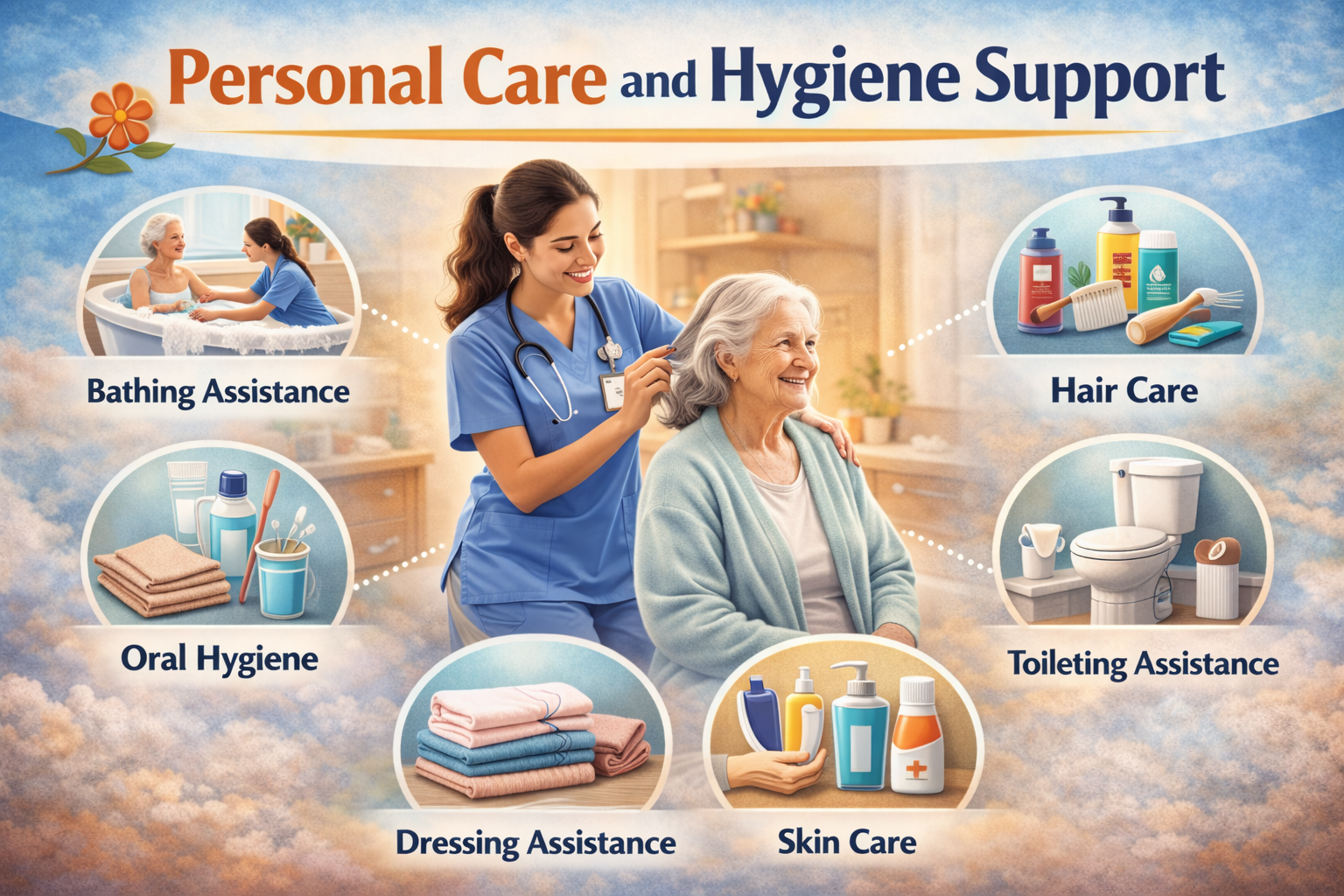
Patients with low mobility normally have difficulties with basic hygiene. Lack of hygiene exposes one to more infections and reduces emotional confidence.
A nurse assistant helps in bathing, grooming, oral care, and changing into clean clothing. They protect the patient and keep him or her comfortable against skin complications.
Body cleanliness enhances physical fitness and psychological comfort. It aids in the acceleration of recovery and the quality of life.
Emotional Support and Companionship
Medical treatment is not just physical treatment. Most patients are lonely or anxious because of their sickness. An empathic nurse helper is able to provide emotional support and good communication.
They also listen, encourage, and motivate patients during healing.This emotional presence enhances the strength of mind that has a direct impact on the outcome of healing.
Safety and Professional Standards
Safety is paramount when medical assistance is invited into your house. The trained practitioners are observed to practice extreme hygiene standards and infection control measures.
They apply sterilized tools and have good hygiene. They observe patient privacy and adhere to the rules of confidentiality.Professional home care providers are in charge of qualifications, background checks, and proper training.
Such measures are credible and ethically accountable. At least by hiring a certified nurse aid, the accountability and high standards of service are ensured.
Difference Between a Nurse Aid and an Informal Caregiver
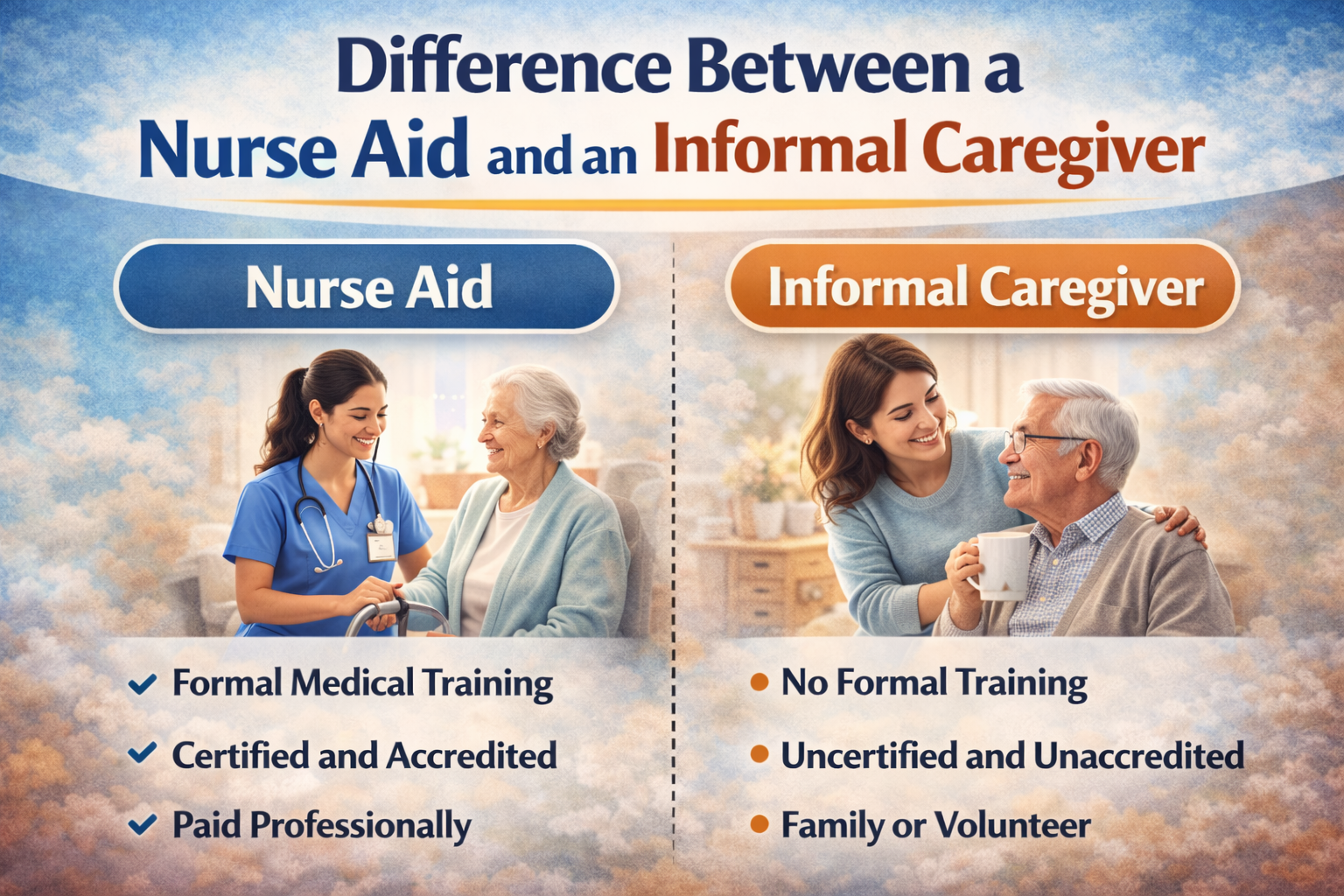
There are lots of families that use the help of relatives or domestic workers to provide care to the patients. They are also willing to do a good thing, but they might not be medically informed.
A trained nurse aid knows the clinical procedures and the health risk indicators. They detect the warning signs at an early stage and take the necessary measures.
Professional training minimises mistakes and enhances patient outcomes. The families become assured since care is according to systematic medical advice.
Benefits of Home Nursing Services
Home nursing has the following significant benefits:
- Individual attention to needs.
- Less exposure to hospital diseases.
- Familiarity.
- Flexible scheduling
- Close family involvement
Economical cost in comparison with protracted medication in hospitals. Professional home nursing is a feasible option for a number of families due to these advantages.
How to Choose the Right Nurse Aid
The choice of the right professional must be evaluated. Families should confirm:
- Certifications and training qualifications.
- Experience with similar medical conditions.
- Communication skills
- Transparent pricing
- Emergency availability.
Credible vendors have transparent records and well organized management controls. This guarantees consistency and accountability as a professional.
Conducting interviews with the nurse before hiring is also another way of helping families to evaluate fit and comfort.
Technology and Modern Home Care
Digital technologies have enhanced home medical care. Families are able to book their visits online and keep electronic medical records.
Constant communication via phone or messaging makes communication straightforward.
The doctors may be able to read reports remotely and make changes to treatment plans where needed. This technology improves efficiency and transparency.
Cost and Value of Professional Care
Some families fear the inability to afford. Nevertheless, home nursing can be offered professionally, which minimizes medical costs in general.
Saving time spent on traveling to the hospital will save money; time spent at work will also be minimized. Early detection eliminates severe complications, which are too costly to treat.
The savings on a competent nurse aid will insure financial stability and well-being of a patient.
Frequently Asked Questions
What is a nurse aid?
A nurse aid is a trained healthcare provider who offers simple medical and personal care services at home with adequate oversight. They help their patients in their daily activities and check their health status.
What services does a nurse aid provide?
A nurse aid can be used to monitor the vital signs, administer medications, treat wounds, aid mobility, offer hygiene care, and help the patient with the daily living process, depending on the condition.
Is a nurse aid qualified to give injections?
A qualified and registered nurse assistant may inject, perform elementary medical care as permitted by their training and supervision recommendations. Never hire without ensuring the credentials.
Can a nurse aid care for elderly patients?
Yes. Elderly care is ideal in the service of a nurse aid. They can help in the day to day activities, medication reminders, mobility aid, and frequent health checkups to keep them safe.
How is a nurse aid different from a caregiver?
A nurse aid possesses medical education and can check health conditions. A caregiver can offer personal care, although he or she is not typically medically trained.
Is home nursing safe?
Yes. Professional nurse aid services are hygienic with clean equipment and patient privacy. By selecting a certified provider, one can receive safe care.
Can a nurse aid help after surgery?
Yes. Postoperative recovery requires the services of a nurse aid who will take care of the wound, check the vital signs, and guide the injured to move safely throughout the healing period.
How many hours can a nurse aid stay at home?
Services are flexible. Depending on the needs, you can hire a nurse for a few hours a day, a full day, or live-in care.
Is hiring a nurse aid expensive?
This price is based on the nature of the service and the time. The high cost of long stays in hospitals and frequent visits to clinics makes it affordable to many families.
How do I choose the right nurse aid?
Confirm skills, research experience, review, and confirm adequate communication before hire. An acceptable provider will provide transparency and professionalism.
Conclusion
Nursing aid services are critical to the contemporary medical service. When families have to take care of an ill family member or an aging parent, they require something more than temporary assistance.
They require professional care whereby safety, dignity, and regular medical care are guaranteed.A qualified nurse aid offers organized nursing at home, oversees health status, promotes recovery, and offers caring assistance.
It makes stressful events manageable with the presence of professionals.Whenever you settle on trained home nursing support, you ensure that your loved ones are safe with quality medical advice and day-in, day-out support.
Home-based professional care enhances recovery and minimizes risk, in addition to restoring peace in the family.