

Once your loved one falls ill, it changes your world. Daily routines break. Finding work becomes hard to handle. Sleep feels impossible.
You are willing to give the best support, but medical needs require proficiency, time, and patience. You are concerned with protection, care, cleanliness, and emotional wellbeing
This is the challenge of many families. A senior parent needs to be supervised on a daily basis. Close attention should be paid to a post surgery patient.
An individual who has a long-term disease requires regular healthcare. Hospitals feel crowded. Home support is insecure. The stress level is boosted, and trust is lost.
A professional solution is provided in patient care. It includes medical knowledge with caring, safety, and regular follow-ups. The right delivery will secure health, dignity, and regain peace of mind.
This step-by-step guide will help you understand what is meant by professional medical support, its importance, the way it enhances the recovery process, and how family members can select quality services that are ethical and safe.
Why Patient Care Is Essential for Modern Families
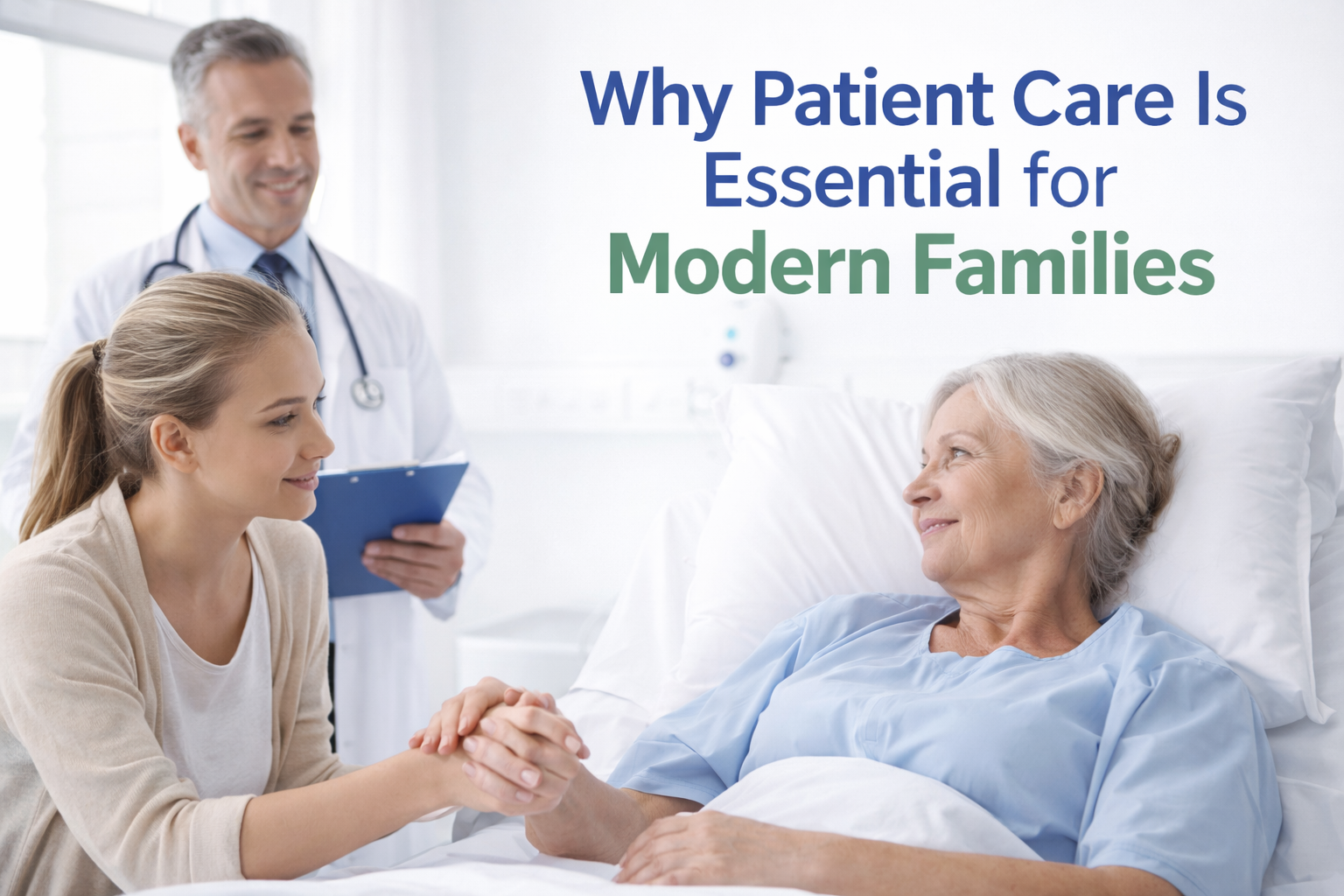
Healthcare requirements have changed. Visits to hospitals are no longer relied upon solely by the families. Management of long term illnesses, elder supervision, and recovery support should be issued on a regular basis.
Patient care is also a way of ensuring the continuation of medical treatment outside the hospital setup.It establishes stability for those who require regular help but are not in need of emergency hospitalization.
Professional assistance by medical personnel would minimize complications, avoid negligence, and enhance the rate of recovery. It also enables the families to balance their personal and professional lives as well as keep their loved ones safe.
Professional Medical Supervision and Monitoring
Constant monitoring is one of the best advantages of the organized medical assistance. Healthcare professionals use vital signs to monitor the patient, identify symptoms, and act on them in real-time.
Frequent monitoring of blood pressure, pulse, oxygen level, and temperature is also used to identify warning signs.Instant response eliminates small problems at the initial stages so that they do not turn into big problems.
Proper record keeping also enhances communication among the doctors, nurses, and family members. Trust and accountability are achieved through transparency.
Patient care services are provided in accordance with the set medical guidelines and have a clear record-keeping system to provide a safe and reliable treatment.
Support for Elderly Individuals
Old age usually raises physical weakness and health risks. Most of the old people need help in their daily activities, which include bathing, dressing, eating, and taking medicines.
Hygiene, mobility, and safety are maintained with the assistance of professional caregivers. They oversee the health status and inform the medical supervisors about the alterations.Emotional support is also necessary.
The elderly patients are usually lonely or nervous. Caring consideration enhances psychological well-being and promotes health. The care of patients offers systematic elderly care that upholds dignity, yet is up to professional standards.
Post Surgery Recovery Management
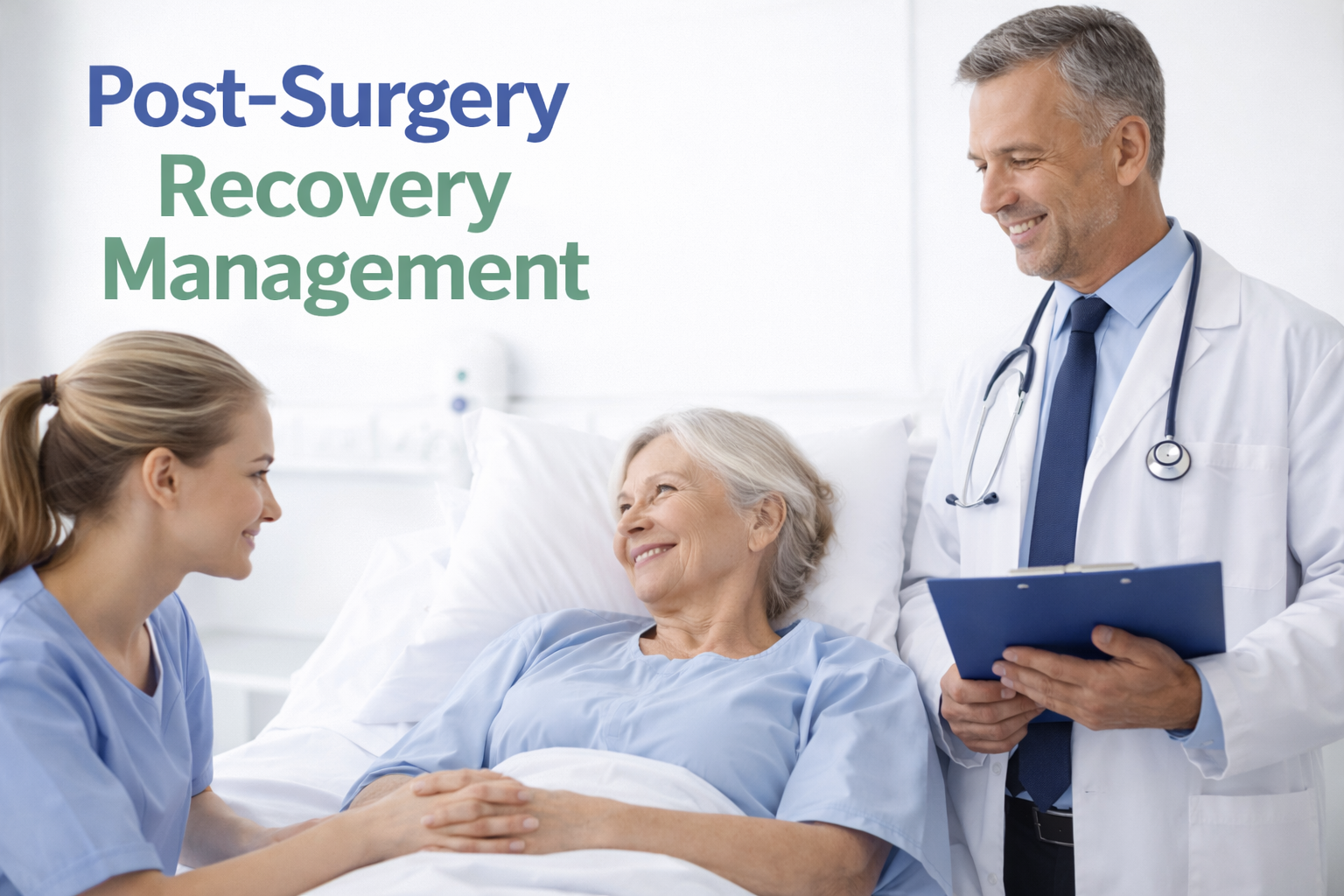
Surgical recovery is a disciplined process and one that should be carefully monitored. The medical requirements should be observed in terms of wound management, medication, pain management, and mobility aids.
Wounds can be kept clean and infection-free by means of professional help.Medical workers check the swelling, redness, and other indicators.
They facilitate safe movement to avoid strain or injury.When patients are provided with organized recovery assistance, they recover more quickly, and they do not experience avoidable hospital readmissions.
Patient care services have been identified as being important in facilitating easy recovery in a medical procedure.
Chronic Disease Management
The chronic diseases like diabetes, heart disease, and respiratory conditions require long term monitoring. Even avoiding taking medication or not paying much attention to small symptoms may result in severe complications.
The medical staff members assist patients in adhering to treatment plans. They do frequent checks and report the vital readings to supervising doctors.
Such a systematic method decreases emergencies and enhances stability in general. Caregivers are assured that the quality of medical care is also under control. Care of patients forms a reliable network for dealing with chronic illnesses.
Hygiene and Infection Prevention
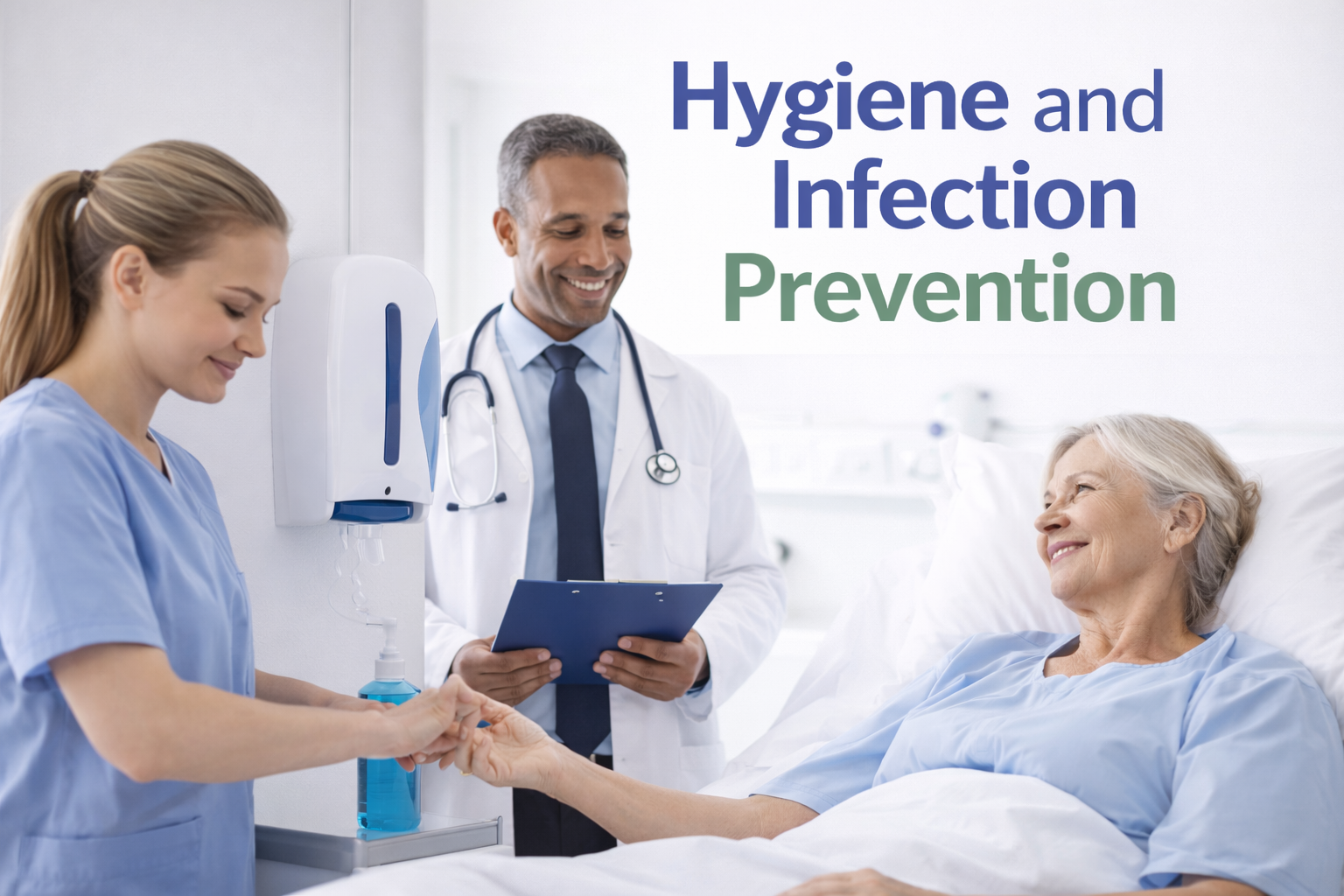
Keeping the medical surroundings clean is a must. Hygiene reduces the chances of infection andthe recovery process. Displayed are professional caregivers taking good care of their sanitation.
They employ cleaning equipment and protective materials where required. They make personal hygiene a key priority for all patients.
These standards are indicators of professionalism and safeguard the patients and caregivers. The services provided to a patient focus on the safety measures to ensure a healthy and safe environment.
Disease is usually accompanied by emotional difficulties. Patients could develop anxiety, fear, or frustration.Medical workers give positive feedback and reassurance.
They support patients in recovery and inspire them to take medical recommendations. Physical healing is enhanced by emotional stability.
Patients respond positively to treatment plans when they feel that they are being supported . Patient care is a combination of caring and medical knowledge that offers holistic service.
Emotional and Psychological Support
Most families are also willing to be treated at the comfort of home. The environment one is used to makes things less stressful and healing quicker.
Such medical support as nursing aid, motion aid, medicine management, and simple rehabilitation activities are also offered as home based medical support.
This will alleviate the stress of traveling and the risk of contracting hospital-acquired infections. It also enables the family members to be well involved in the recovery process.
Patient care is adjusted to home settings without compromising the quality of professionalism and ethical standards.
Home-Based Medical Assistance
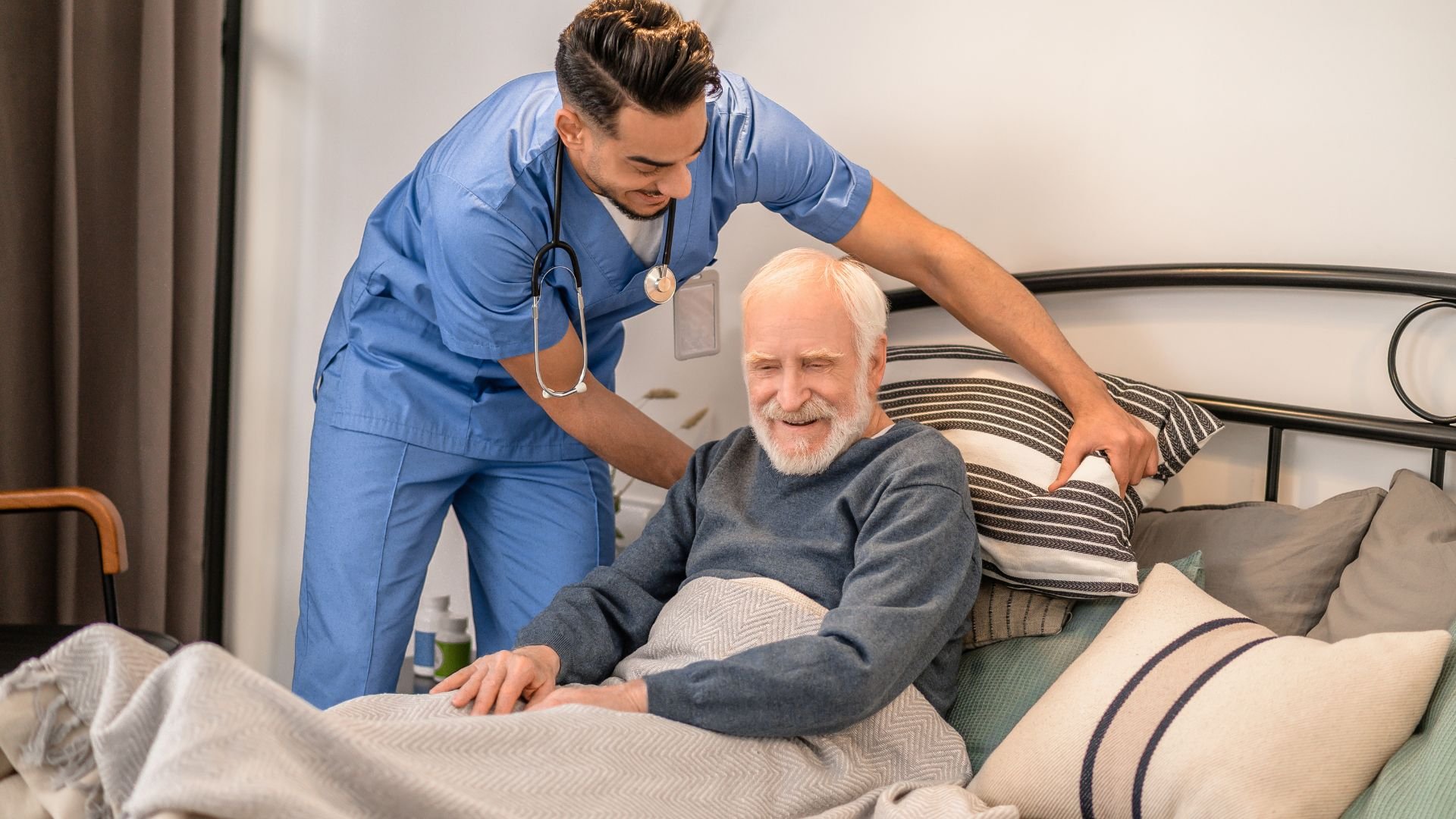
Most families choose to be treated in the comfort of their home. The environment one is used to makes things less stressful and healing quicker.
Such medical support as nursing aid, motion aid, medicine management, and simple rehabilitation activities are also offered as home based medical support.
This will alleviate the stress of traveling and the risk of contracting hospital-acquired infections. It also enables the family members to be well involved in the recovery process.
Patient care is adjusted to home settings without compromising the quality of professionalism and ethical standards.
Choosing a Reliable Service Provider
The process of choosing the appropriate provider should be researched. Families are to check qualifications, experience, and certification.
An established organization is able to communicate well, have clear prices, and have safety procedures recorded. Feedback and reviews would give insight into the quality of services.
Credibility is reflected through professional accountability. Patients must be given the privacy and confidentiality of the providers. The treatment of patients should never be below the ethical standards and the best practices in medicine.
The Role of Technology in Modern Healthcare Support
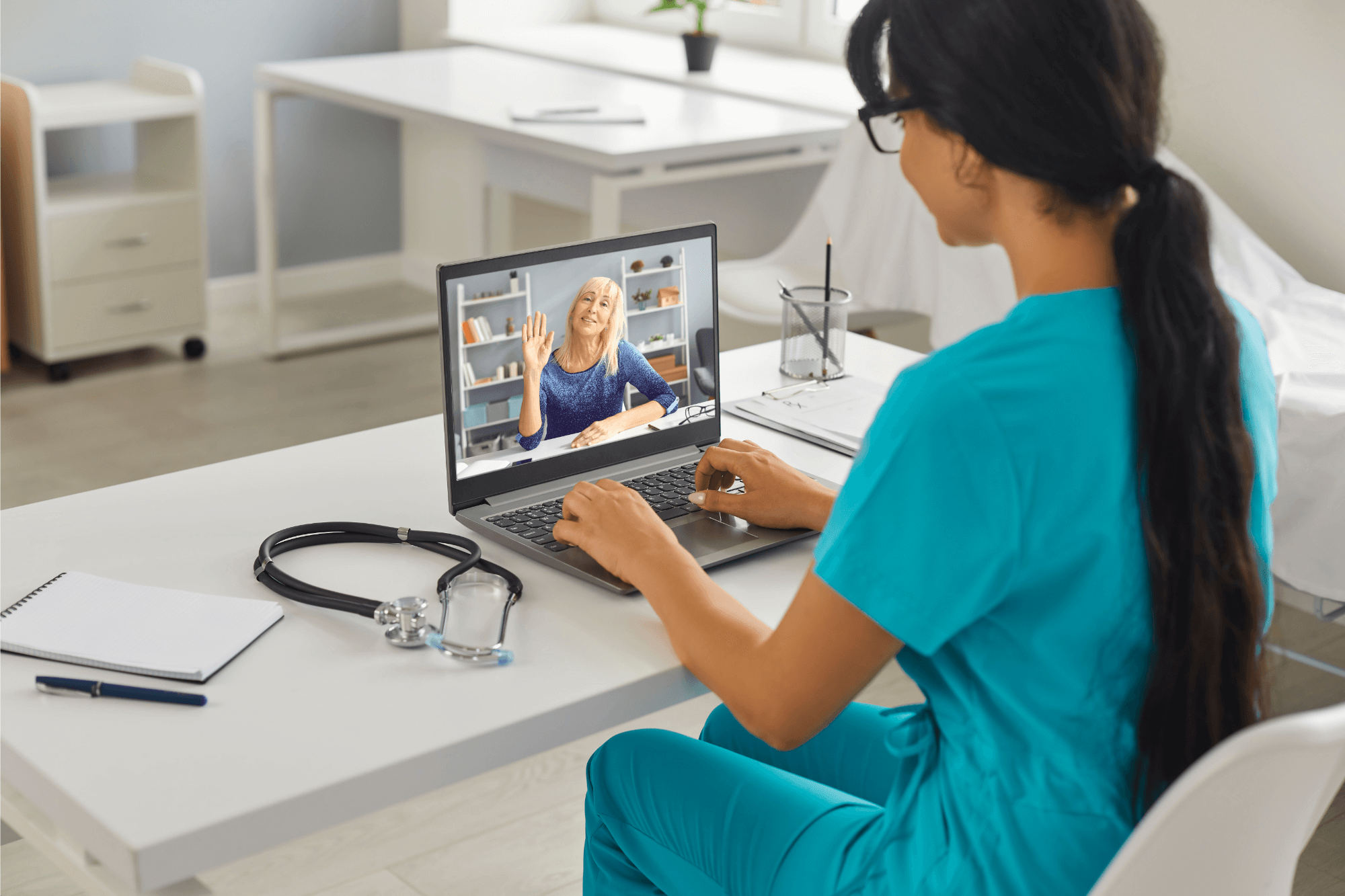
Digital has enhanced healthcare efficiency. The electronic records enable proper monitoring of medical history and the course of treatment.
Remote consultation services allow physicians to check updates and give advice without having to travel to avoid unnecessary expenses.
Scheduling of appointments and communication media enhances communication between families and caregivers. Modern systems improve patient care by increasing its transparency and accessibility.
Cost Efficiency and Long Term Value
There are those families that are reluctant because of financial reasons. Nevertheless, the overall costs are usually decreased by the systematic medical assistance.
The prevention of complications reduces the number of emergency visits and hospital admissions.Frequent check-ups minimize the possibility of serious health conditions.
Professional supervision invests in financial and long-term health stability. Patient care does more than just the direct medical activities through risk aversion in the future.
Ethical Responsibility and Professional Integrity
Healthcare services should be conducted within rigid ethics. Trust is based on respect, confidentiality, and honesty. Software Codes of conduct are adhered to by qualified persons.
They are patient-centered and have open communication.The responsibility enhances trust in the health systems. Whenever families are requesting services, they should opt to use services that are committed to ethical practice.
When provided with integrity and compassion, patient care is the best.
Frequently Asked Questions
What is patient care?
Patient care is the service and support that is offered to an injured, sick, or recovering patient. It involves health care, day-to-day care, emotional support, and health monitoring to enhance livelihood.
Why is patient care important?
Patient care is also significant in that it promotes the faster recovery of people, chronic conditions and dignified living. This is because proper care lowers the number of hospital visits, complications, and enhances general well-being.
Who provides patient care at home?
Home-based patient care may be done by trained nurse aides, the registered nurse, caregivers, or family members with professional supervision. The extent of attention will be determined by the health status of the patient.
What services are included in patient care?
Examples of patient care services can include:
- Medication management
- Wound dressing
- Monitoring vital signs
- Bathing and hygiene aid.
- Meal preparation
- Mobility support
- The emotional and mental support.
Its services are dependent on the needs of the patient.
How do I know if my loved one needs patient care?
You are to note the patient care when your loved one:
- Problems with daily activities.
- Recently out of the hospital.
- Has a chronic condition.
- Needs frequent medication follow-ups.
- Needs mobility aid.
There is also medical assistance that can be prescribed by a medical professional.
Is patient care at home better than hospital care?
In stable patients, it is more comfortable and cheaper to provide patient care at home. It enables the patient to remain in surroundings he is familiar with and get professional assistance. Nevertheless, there are still critical conditions that need hospital monitoring.
How much does patient care cost?
The patient care cost varies as a consequence of:
- Type of services required
- Duration of care
- Location
- Level of experience of the caregiver.
A professional care provider should be asked to provide a detailed quote.
Is patient care safe at home?
Yes, it is safe to take care of patients at home, even by trained professionals. Ensure that the caregiver possesses the right experience, references, and required certifications.
Can patient care help elderly individuals?
Yes, patient care is most useful to elderly people. It aids in their physical well being, emotional state, and independence and minimizes the occurrence of falls and medical crises.
How can I choose the right patient care provider?
To choose the right provider:
Qualification and experience Checks
Checks in banking experience and qualifications.
Ask for references
Confirm background checks
Write about emergency response plans.
Ensure clear communication
Professionalism and reliability always come first.
Conclusion
Patient care is not just medical assistance. It offers effective oversight, emotional support, and regular attention, which safeguard health and dignity.
Professional healthcare assistance brings balance in hard times, as well as further assistance for the elderly and post-surgery recovery, as well as long-term diseases and the protection of hygiene.
By opting to use the services of trustworthy and experienced ones, families guarantee their safety, comfort, and tranquility. Patient care has always been a crucial part of the contemporary healthcare system since it is the combination of health knowledge, compassion, and responsibility.
To ensure the safety, ethics, and quality of your loved ones, the first step in protecting them is to select a professional support that helps them throughout the treatment process.