

Caring for a loved one at home can be emotionally challenging and physically demanding.
Whether you are looking after an elderly parent, a recovering patient, a new mother, or someone with a chronic illness, providing proper medical attention every day is not always easy.
Many families struggle to balance work, personal responsibilities, and caregiving duties at the same time.
This is where a female nurse for home care can make a significant difference.
Professional nursing support allows patients to receive quality medical care in the comfort and privacy of their own homes.
Many families also prefer female nurses because patients often feel more comfortable discussing personal health concerns and receiving daily assistance from a female caregiver.
In this guide, you will learn what home nursing services include, who can benefit from them, how to choose the right nurse, and what factors to consider before hiring professional home care support.
Why Do Families Prefer Home Nursing Services?
Home nursing services provide personalized healthcare in a familiar environment.
Unlike hospitals, home care allows patients to stay close to family members while receiving professional medical attention.
Many families choose home nursing because it offers:
- Personalized patient care
- Greater comfort and privacy
- Reduced hospital visits
- Faster recovery in familiar surroundings
- Better emotional support
- Continuous monitoring of health conditions
Patients often feel more relaxed at home, which can positively affect both physical recovery and mental wellbeing.
What Does a Female Nurse for Home Care Do?
A professional nurse performs a wide range of medical and personal care duties based on the patient’s condition.
Common responsibilities include:
Medication Management
Nurses ensure medications are taken correctly and on schedule. They also monitor side effects and report concerns to healthcare providers.
Vital Signs Monitoring
Regular checks of blood pressure, temperature, pulse rate, oxygen levels, and blood sugar help track the patient’s health status.
Wound Care
Patients recovering from surgery, injuries, or chronic conditions may require dressing changes and wound management to prevent infection.
Injection Administration
Qualified nurses can administer prescribed injections safely at home.
Mobility Assistance
Patients with limited movement often need support when walking, transferring from bed to chair, or performing daily activities.
Personal Hygiene Support
Nurses may assist with bathing, grooming, dressing, and maintaining personal cleanliness while preserving the patient’s dignity.
Health Assessment
Regular observation helps identify early signs of complications, allowing timely medical intervention.
Who Can Benefit From Home Nursing Care?
Home nursing services are suitable for many types of patients.
Elderly Individuals
Older adults often require ongoing assistance due to age-related health conditions, reduced mobility, or memory issues.
Post Surgical Patients
Recovery after surgery frequently involves wound care, medication management, and mobility support.
Patients With Chronic Diseases
Conditions such as diabetes, heart disease, kidney disorders, and respiratory illnesses may require continuous monitoring.
Stroke Recovery Patients
Stroke survivors often need rehabilitation support and assistance with daily activities.
New Mothers
Professional nursing care can support mothers after childbirth and help monitor newborn health.
Patients Receiving Palliative Care
Individuals with serious illnesses may require pain management and comfort focused care at home.
Why Is Home Care Often Better Than Extended Hospital Stays?
Hospitals are essential for acute medical treatment, but long stays can sometimes create emotional stress and discomfort.
Home care offers several advantages:
Familiar Environment
Patients remain surrounded by family members and personal belongings, creating a sense of security.
Reduced Risk of Hospital-Acquired Infections
Home settings generally expose patients to fewer healthcare-related infections.
Individual Attention
Unlike busy healthcare facilities, home nursing provides focused care for one patient.
Better Emotional Wellbeing
Patients often experience lower stress levels when recovering at home.
Family Involvement
Relatives can actively participate in the care process and stay informed about the patient’s condition.
How Can You Choose the Right Female Nurse for Home Care?
Selecting the right nurse is one of the most important decisions for a family’s healthcare needs.
Consider the following factors:
Verify Qualifications
Ensure the nurse has appropriate education, certifications, and professional training.
Check Experience
Experience with similar patient conditions can improve care quality and confidence.
Assess Communication Skills
A nurse should communicate clearly with both patients and family members.
Review References
Previous client feedback can provide valuable insight into professionalism and reliability.
Evaluate Compassion and Patience
Technical skills are important, but empathy and kindness are equally valuable.
Confirm Availability
Make sure the nurse’s schedule aligns with the patient’s care requirements.
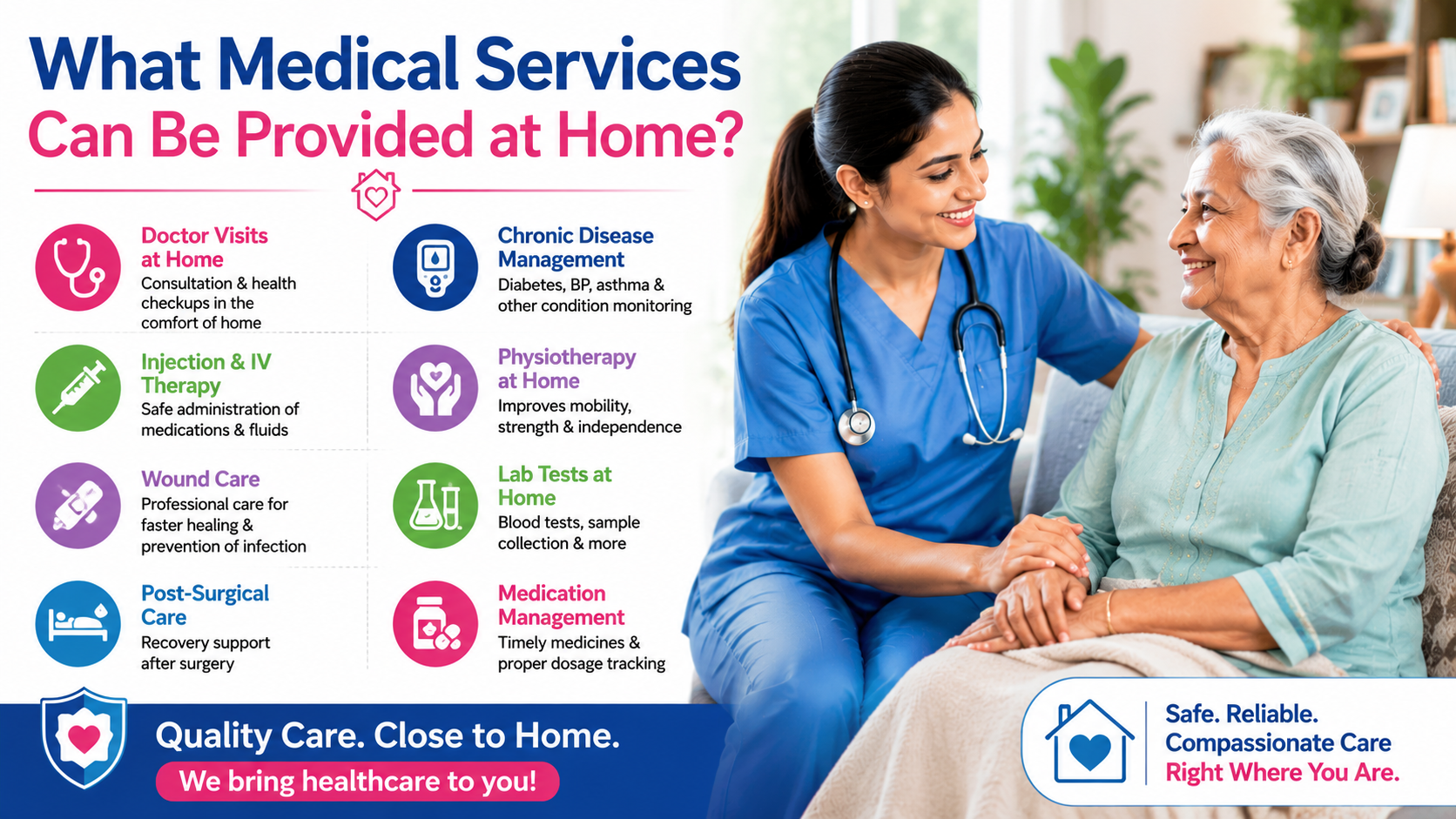
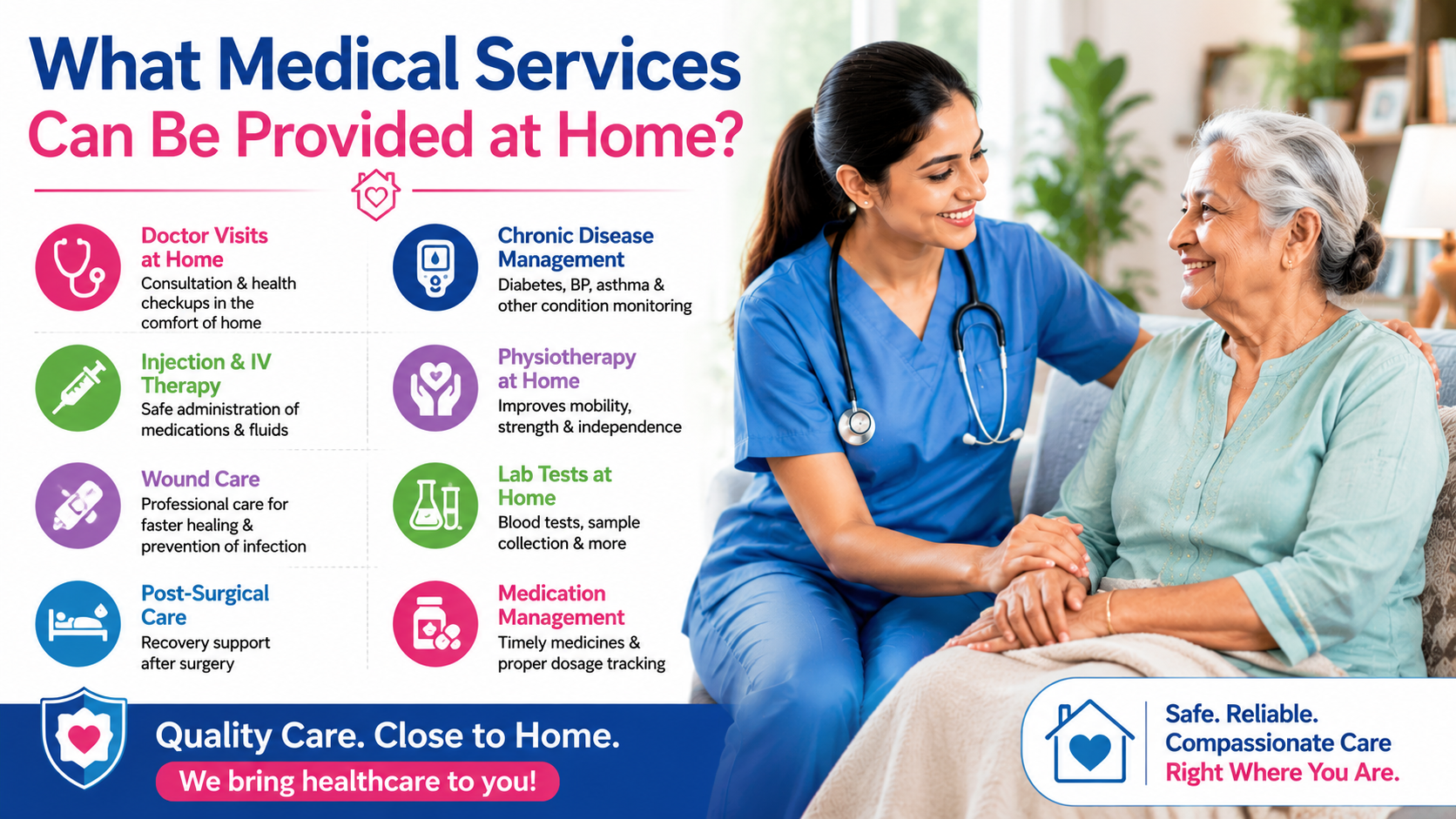
What Medical Services Can Be Provided at Home?
Modern home healthcare services cover many medical needs.
These may include:
- Postoperative care
- Catheter care
- Injection services
- Blood pressure monitoring
- Blood sugar monitoring
- Oxygen therapy support
- Feeding tube assistance
- Pain management
- Rehabilitation support
- Medication administration
- Wound dressing services
The exact services depend on the patient’s medical condition and physician recommendations.
How Does Home Nursing Improve Recovery Outcomes?
Quality nursing care can significantly improve recovery and overall health outcomes.
Early Detection of Problems
Regular monitoring allows nurses to identify health concerns before they become serious.
Improved Treatment Compliance
Patients are more likely to follow medication schedules and treatment plans with professional guidance.
Better Physical Recovery
Consistent support encourages safe movement, exercise, and rehabilitation activities.
Reduced Caregiver Stress
Family members receive professional assistance, reducing burnout and emotional strain.
Enhanced Quality of Life
Patients often enjoy greater independence, comfort, and dignity during recovery.
What Should Families Discuss Before Hiring a Home Nurse?
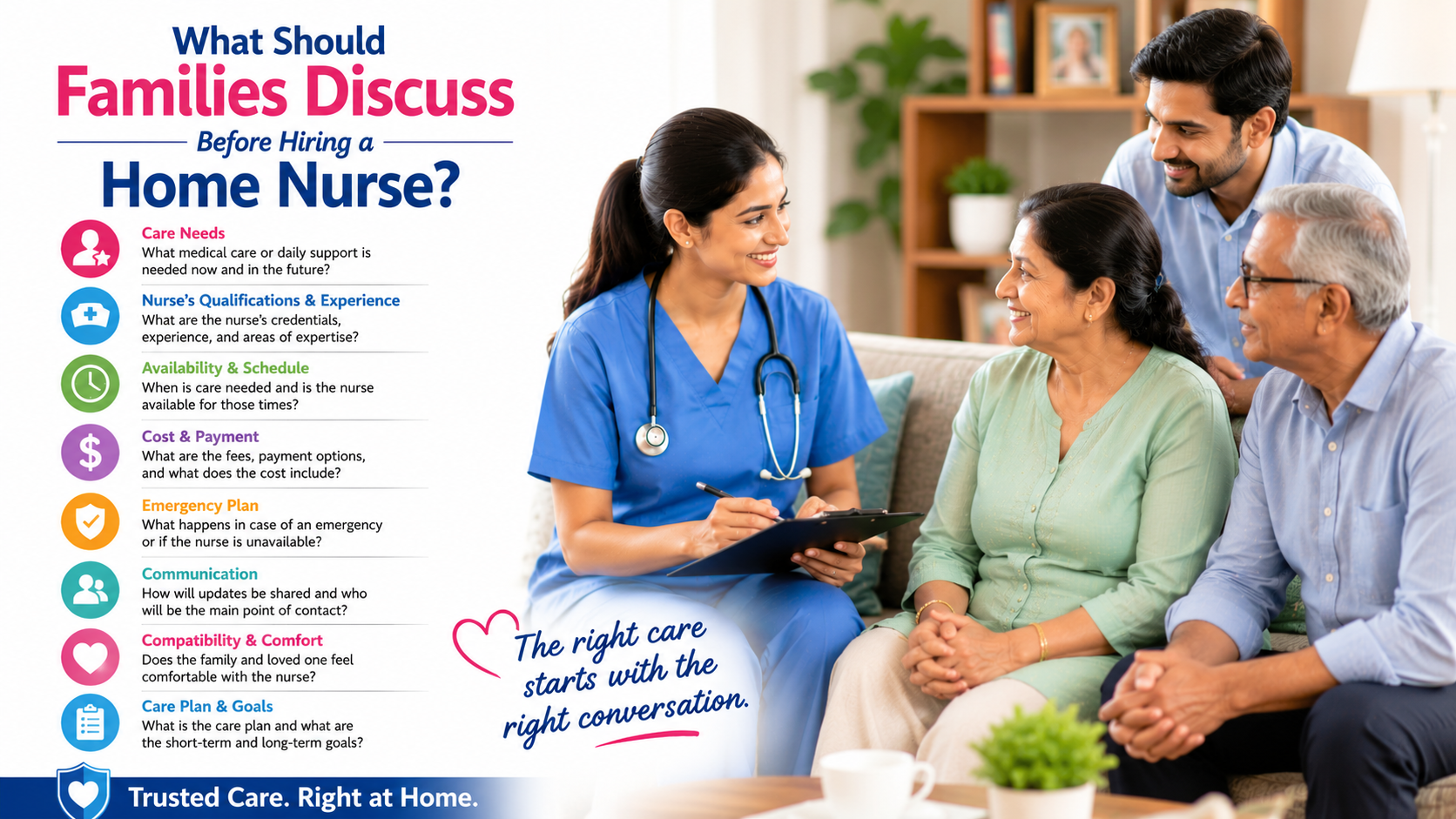
Before hiring a nurse, families should clearly define expectations and care requirements.
Important topics include:
Patient Needs
Discuss medical conditions, mobility limitations, and daily assistance requirements.
Working Hours
Determine whether part-time, full-time, daytime, nighttime, or round-the-clock care is needed.
Emergency Procedures
Establish a plan for handling medical emergencies.
Communication Expectations
Agree on how updates and progress reports will be shared with family members.
Care Goals
Identify short term and long term healthcare objectives.
Clear communication helps create a successful caregiving relationship.
What Is the Cost of Home Nursing Services?
Home nursing costs vary depending on several factors:
- Duration of care
- Level of medical support required
- Nurse qualifications
- Patient condition
- Location
- Specialized medical procedures
While costs differ, many families find that home care provides excellent value because it combines professional healthcare with the comfort of staying at home.
How Can Families Ensure Safe and Effective Home Care?
Safety should always remain a top priority.
Families can improve care quality by:
- Keeping medications organized
- Maintaining a clean living environment
- Following physician’s instructions
- Scheduling regular health evaluations
- Encouraging open communication with the nurse
- Monitoring changes in patient health
Working together as a team helps create the best possible outcomes for the patient.
FAQs
What qualifications should a home nurse have?
A home nurse should possess relevant nursing education, professional certification, and practical experience in patient care.
Can home nurses provide medical treatments?
Yes. Qualified nurses can administer medications, injections, wound care, health monitoring, and other prescribed medical services.
Is home nursing suitable for elderly patients?
Yes. Home nursing is one of the most common solutions for elderly individuals who require medical support and assistance with daily activities.
How many hours can a home nurse work?
Home nursing services may be available on an hourly, daily, overnight, full time, or round the clock basis, depending on patient needs.
How do I know if my family member needs home nursing care?
If a loved one requires regular medical monitoring, assistance with daily activities, post surgery support, or chronic disease management, home nursing may be beneficial.
Conclusion
Choosing a female nurse for home care can provide peace of mind, professional medical support, and personalized attention for patients who need assistance at home.
From elderly care and post surgical recovery to chronic disease management and rehabilitation support, home nursing services help patients receive quality healthcare in a comfortable environment.
By selecting a qualified and compassionate nurse, families can improve recovery outcomes, reduce stress, and ensure their loved ones receive the care they deserve.