

Healthcare is changing rapidly, and more people now prefer receiving quality medical care without leaving their homes.
Whether it is an elderly parent who needs ongoing support, a patient recovering after surgery, or someone managing a chronic illness, receiving professional healthcare in a familiar environment offers significant advantages.
Hospital visits can be stressful, time-consuming, and costly. Long waiting times, transportation challenges, and exposure to infections often create additional burdens for patients and their families.
Fortunately, modern healthcare solutions now make it possible to receive expert medical attention right where patients feel most comfortable.
Home medical services provide a practical and patient-centered approach that combines convenience with professional healthcare standards.
From skilled nursing and rehabilitation to doctor visits and medication management, these services help individuals maintain their health while preserving independence and dignity.
This guide explains how home-based healthcare works, who can benefit from it, what services are available, and how families can choose the right care provider.
What Are Home Medical Services and How Do They Work?
Home-based healthcare involves licensed medical professionals delivering healthcare support directly at a patient’s residence.
These services are designed to meet both short-term and long-term healthcare needs.
Medical care provided at home can include:
- Nursing care
- Physician consultations
- Medication administration
- Physical therapy
- Wound management
- Chronic disease monitoring
- Post-surgical care
- Elderly support services
Unlike non-medical caregiving, these services involve qualified healthcare professionals such as registered nurses, physicians, physiotherapists, and healthcare specialists.
Featured Snippet Answer
Home medical services are professional healthcare treatments delivered in a patient’s home by licensed medical professionals, including nurses, doctors, therapists, and caregivers who provide clinical care, recovery support, and ongoing health management.
Organizations such as the World Health Organization and the Centers for Disease Control and Prevention continue to recognize the importance of patient-centered care models that improve accessibility and health outcomes.
Who Can Benefit Most From Medical Care at Home?
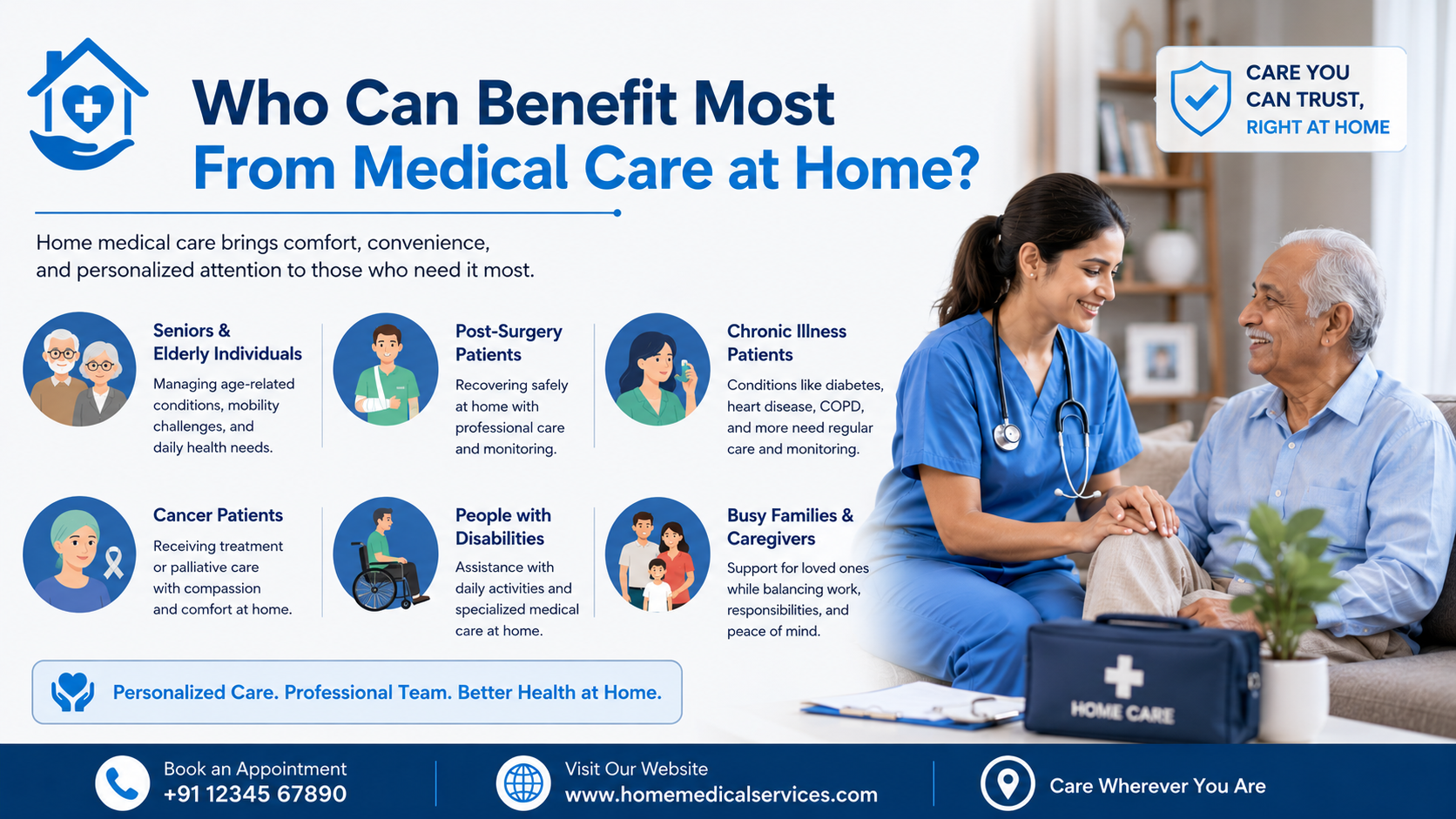
Many people assume home healthcare is only for seniors. In reality, patients of all ages can benefit from receiving treatment at home.
Common beneficiaries include:
Seniors with Chronic Conditions
Older adults often require ongoing monitoring for conditions such as:
- Diabetes
- Hypertension
- Heart disease
- Arthritis
- Respiratory illnesses
Patients Recovering After Surgery
Individuals recovering from:
- Joint replacement procedures
- Cardiac surgery
- Abdominal surgery
- Orthopedic procedures
can often heal more comfortably at home with proper supervision.
Individuals With Mobility Challenges
Patients with disabilities, injuries, or neurological disorders may struggle to attend frequent clinic appointments.
People Managing Long-Term Illnesses
Conditions requiring continuous monitoring include:
- Cancer
- Stroke recovery
- Parkinson’s disease
- Alzheimer’s disease
- Multiple sclerosis
Professional Home Health Services help these individuals maintain quality of life while reducing hospital dependence.
What Types of Home Healthcare Services Are Available?
Modern Home Healthcare Services cover a broad range of medical needs.
Skilled Nursing Care at Home
Registered nurses provide:
- Vital sign monitoring
- IV therapy
- Medication administration
- Catheter care
- Wound dressing changes
- Chronic disease management
Doctor Home Visit Services
Qualified physicians can conduct:
- Physical examinations
- Diagnosis and treatment plans
- Prescription reviews
- Follow-up consultations
Doctor Home Visit Services are particularly valuable for patients who cannot travel easily.
Rehabilitation and Therapy
Therapists provide:
- Physical therapy
- Occupational therapy
- Speech therapy
- Mobility training
Post Hospitalization Home Care
Many patients require continued supervision after discharge.
Services may include:
- Medication monitoring
- Recovery assessments
- Mobility assistance
- Infection prevention
- Follow-up care coordination
Patient Care Services at Home
These services focus on day-to-day health support, including:
- Personal hygiene assistance
- Mobility support
- Nutritional monitoring
- Medication reminders
Why Is Elderly Medical Care at Home Becoming More Popular?
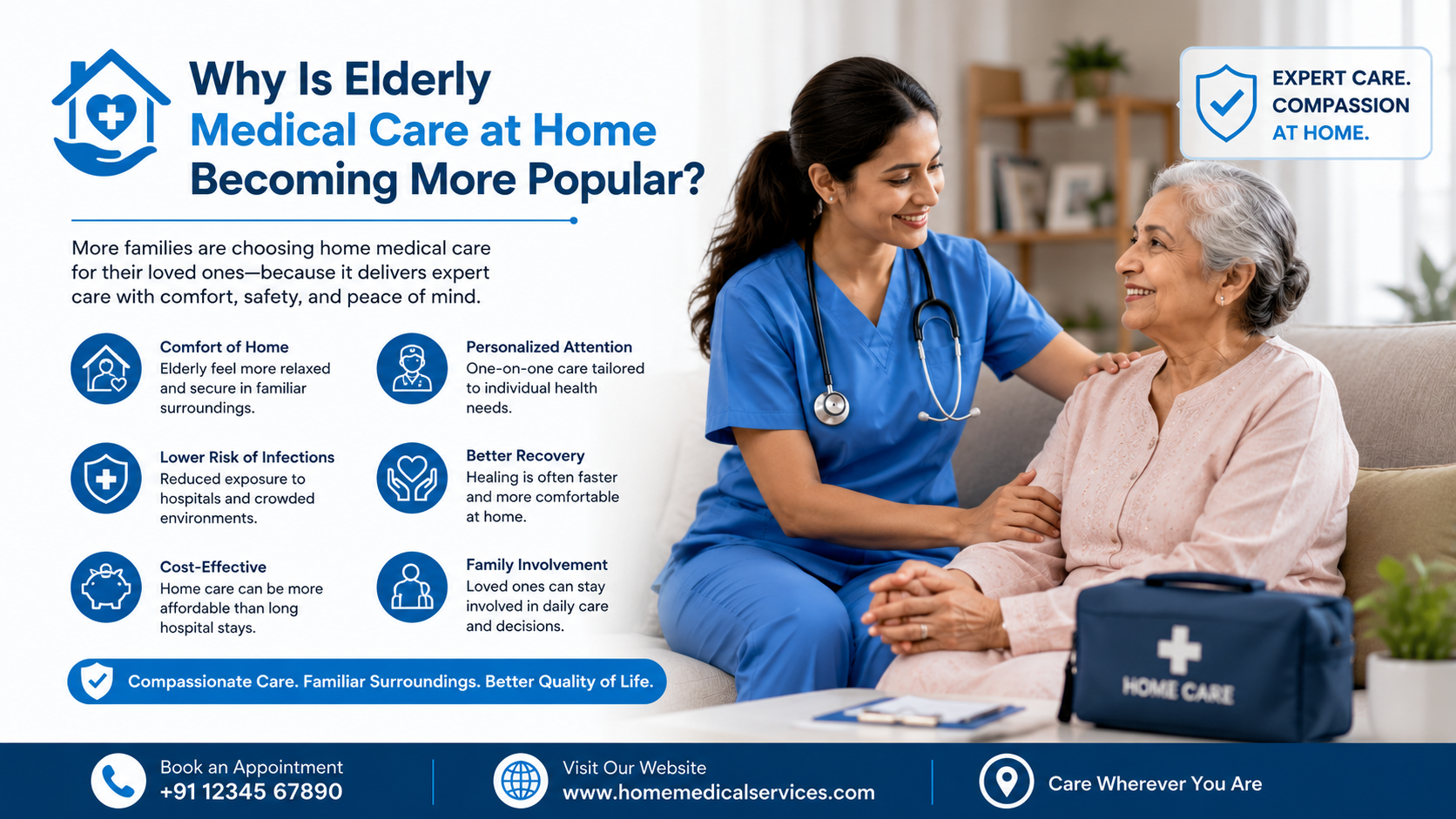
The global aging population continues to increase, creating greater demand for personalized healthcare solutions.
Families often prefer Elderly Medical Care at Home because it allows seniors to remain in familiar surroundings while receiving professional support.
Benefits include:
Greater Independence
Seniors can maintain daily routines and enjoy a higher level of autonomy.
Emotional Comfort
Remaining at home reduces anxiety and stress that often accompany long hospital stays.
Better Family Involvement
Relatives can actively participate in healthcare decisions and daily support.
Reduced Infection Risks
Home environments generally expose patients to fewer healthcare-associated infections than hospitals.
Personalized Attention
One-on-one care often allows healthcare professionals to focus more closely on individual needs.
How Does In Home Medical Care Compare to Hospital-Based Care?
The following comparison highlights the key differences:
Factor | In-Home Medical Care | Hospital Care |
Comfort | High | Moderate |
Family Involvement | Extensive | Limited |
Travel Requirements | None | Frequent |
Personalized Attention | High | Shared Resources |
Infection Exposure | Lower | Higher |
Recovery Environment | Familiar | Clinical |
Cost Efficiency | Often Better for Long-Term Care | May Be Higher |
While hospitals remain essential for emergencies and intensive treatments, many routine and recovery-related services can safely occur at home.
What Are the Biggest Benefits of Receiving Healthcare at Home?
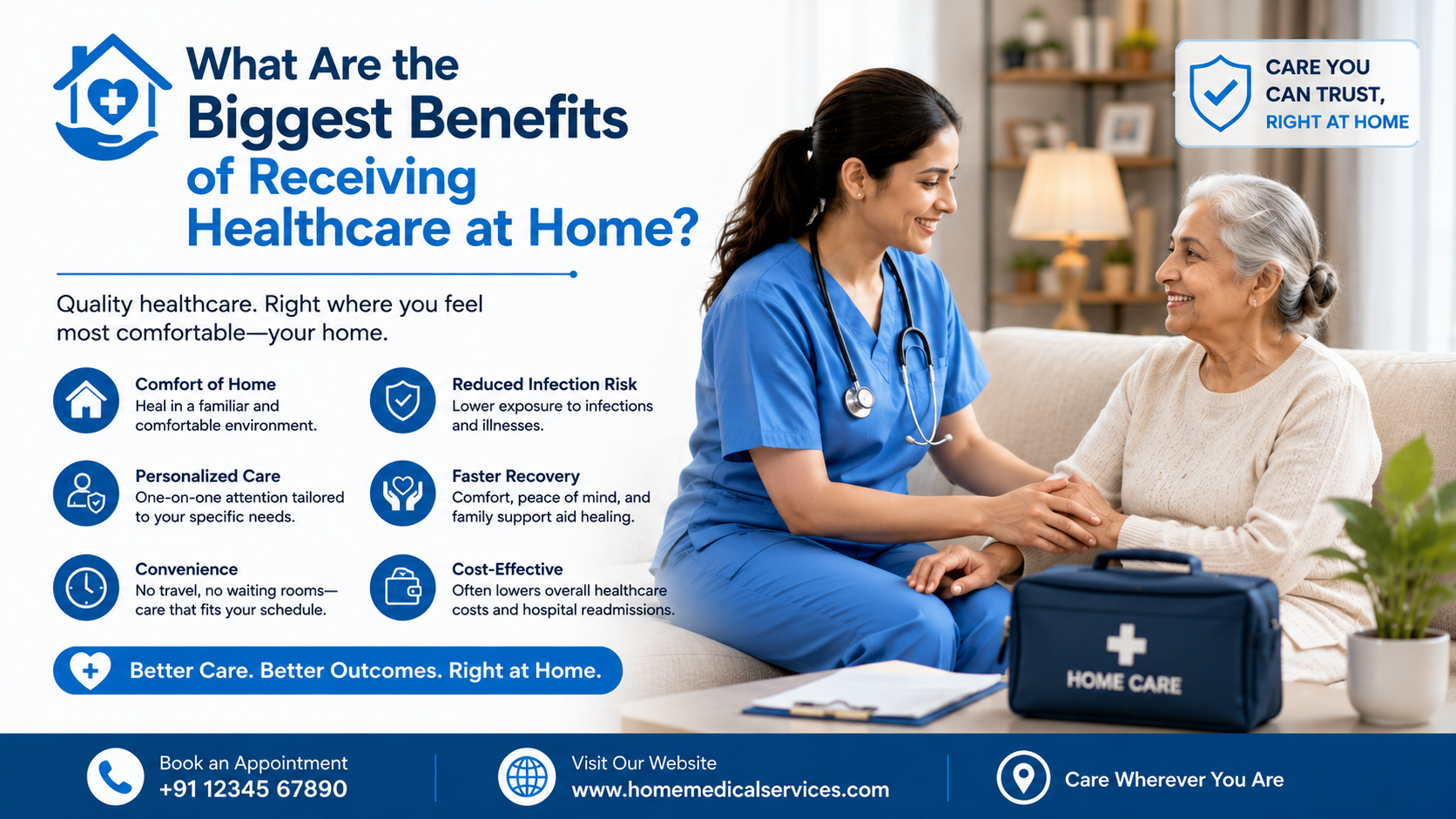
Several advantages explain why patients increasingly choose Medical Care at Home.
Improved Recovery Outcomes
Patients often recover faster in familiar surroundings where stress levels are lower.
Better Medication Compliance
Healthcare professionals help ensure medications are taken correctly and consistently.
Reduced Hospital Readmissions
Proper monitoring can identify complications before they become serious.
Enhanced Quality of Life
Patients maintain more control over daily routines and personal preferences.
Convenience for Families
Family caregivers receive professional support, reducing physical and emotional strain.
Research published by respected healthcare organizations has consistently shown that structured home healthcare programs can contribute to improved patient satisfaction and reduced healthcare utilization.
What Should Families Look for When Choosing a Home Healthcare Provider?
Selecting the right provider is one of the most important decisions families make.
Consider the following factors:
Professional Qualifications
Verify that healthcare professionals possess:
- Valid licenses
- Relevant certifications
- Specialized training
Range of Services
Choose providers that can address both current and future healthcare needs.
Experience
Look for organizations with extensive experience in:
- Skilled Nursing Care at Home
- Rehabilitation services
- Chronic disease management
- Post Hospitalization Home Care
Emergency Response Protocols
Ask how providers handle medical emergencies and urgent situations.
Communication Standards
Quality providers maintain regular communication with:
- Patients
- Family members
- Primary care physicians
Patient Reviews and Reputation
Independent reviews often provide valuable insights into service quality.
What Common Mistakes Should Families Avoid?
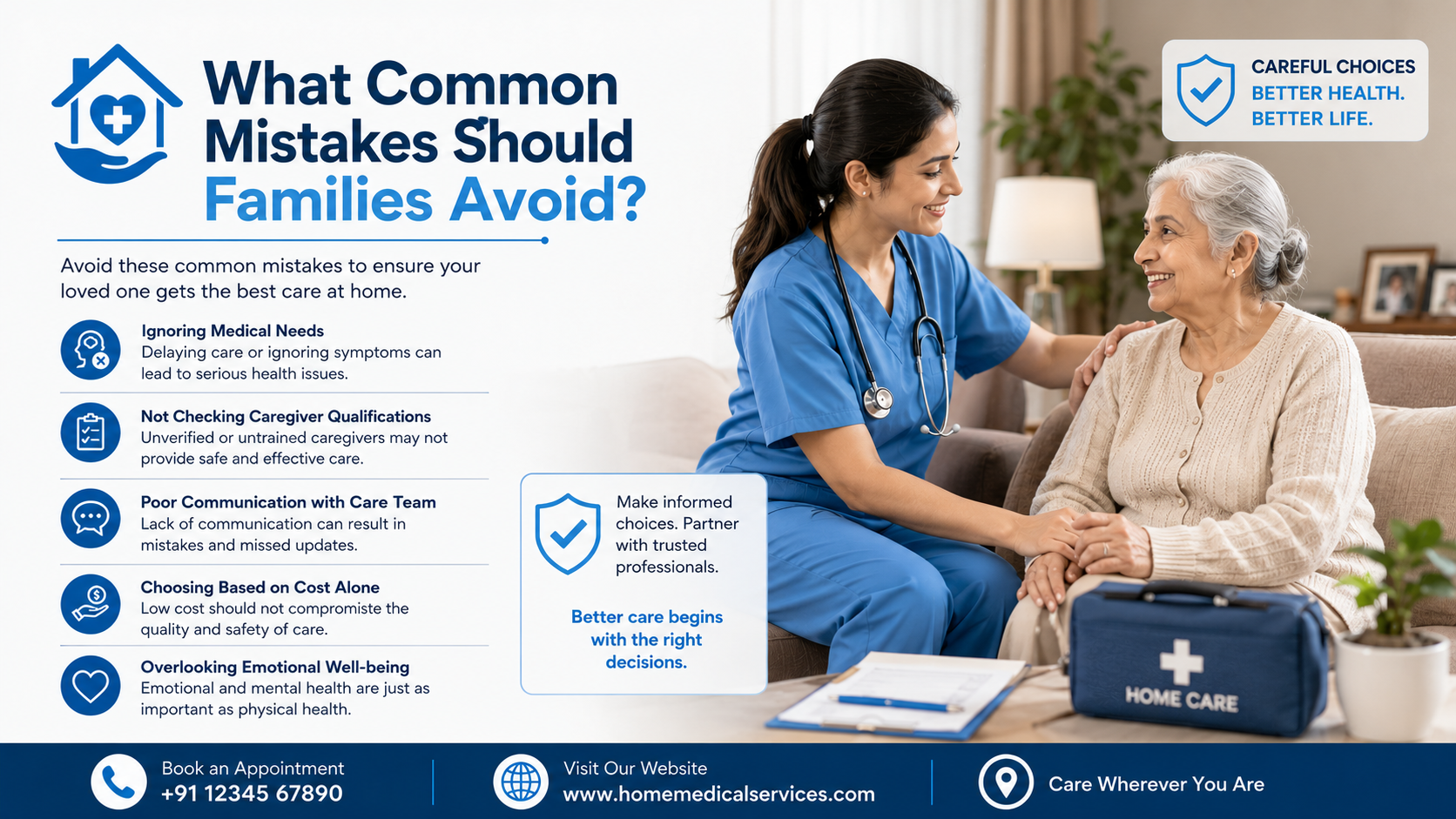
Many families make avoidable errors when arranging home healthcare.
Choosing Based Only on Price
The cheapest option may not provide qualified medical professionals or adequate support.
Delaying Care
Waiting until a health condition worsens can complicate recovery.
Ignoring Specialized Needs
Patients with complex conditions may require specialized expertise.
Failing to Verify Credentials
Always confirm licenses, certifications, and professional qualifications.
Lack of Care Planning
Successful outcomes depend on clear goals, schedules, and communication among everyone involved.
How Can Patients Maximize Results From Professional Home Health Services?
Patients and families can improve outcomes by following several best practices.
Maintain Accurate Medical Records
Keep information readily available, including:
- Medications
- Allergies
- Previous surgeries
- Diagnostic reports
Create a Safe Environment
Reduce fall risks by:
- Removing clutter
- Installing grab bars
- Improving lighting
- Using mobility aids
Follow Treatment Plans Carefully
Consistency significantly improves recovery and disease management.
Encourage Open Communication
Patients should promptly report:
- New symptoms
- Medication side effects
- Mobility concerns
- Changes in overall health
Stay Involved
Family participation often improves adherence to treatment recommendations and strengthens emotional support.
What Does the Future of Home-Based Healthcare Look Like?
Healthcare technology continues to expand the possibilities of home treatment.
Emerging trends include:
- Remote patient monitoring
- Telemedicine consultations
- Wearable health devices
- Artificial intelligence-assisted monitoring
- Virtual rehabilitation programs
These innovations enable healthcare providers to track patient progress more accurately while reducing unnecessary hospital visits.
As healthcare systems focus increasingly on patient-centered models, home-based care will likely become an even larger part of routine medical treatment worldwide.
FAQs
What conditions can be treated through home healthcare services?
Home healthcare can support recovery from surgery, chronic disease management, wound care, rehabilitation, medication administration, and elderly care needs.
Are doctor home visits as effective as clinic consultations?
For many routine evaluations, follow-up appointments, and chronic disease monitoring, doctor home visits can be highly effective and convenient.
Who provides Skilled Nursing Care at Home?
Licensed registered nurses typically provide skilled nursing services, including medication administration, wound care, health assessments, and patient monitoring.
Is home healthcare suitable after hospital discharge?
Yes. Post-Hospitalization Home Care helps patients recover safely while reducing the risk of complications and hospital readmissions.
How do I choose the best home healthcare provider?
Look for licensed professionals, strong patient reviews, comprehensive services, emergency support systems,
Conclusion
The growing demand for home medical services reflects a major shift toward more personalized, convenient, and effective healthcare.
Whether supporting seniors, assisting recovery after surgery, managing chronic illnesses, or providing ongoing nursing care, home-based healthcare offers significant advantages for patients and families alike.
By choosing qualified providers, maintaining active communication, and following professional care plans, individuals can achieve better health outcomes while enjoying the comfort of their own homes.
If you or a loved one requires professional healthcare support, exploring trusted home healthcare options may be one of the most valuable decisions you make.