

When a loved one becomes sick, weak, or unable to manage daily activities alone, families often face stress, fear, and confusion.
Many people worry about hospital visits, long recovery times, medicine management, and proper patient care.
Some family members are busy with work, while others may not have the medical knowledge needed to care for a patient safely at home.
This is where a professional home nurse becomes an important support system.
Families now prefer medical care at home because it provides comfort, safety, personal attention, and emotional peace.
Patients also recover better in a familiar environment where they feel relaxed and supported.
A trained nurse can help with medical care, elderly support, injections, wound care, post surgery recovery, and daily health monitoring.
Professional nursing services also reduce stress for family members and improve the quality of life for patients.
In this detailed guide, you will learn everything about nursing care at home, its benefits, services, costs, and how to choose the right healthcare professional for your family.
What Is a Home Nurse and What Does a Nurse Do at Home?
A home nurse is a trained healthcare professional who provides medical and personal care services at a patient’s home.
These nurses work with patients who need regular health support but do not want to stay in a hospital.
A nurse may help with:
- Checking blood pressure and sugar levels
- Giving medicines on time
- Wound dressing and injections
- Helping elderly patients walk safely
- Caring for patients after surgery
- Monitoring oxygen levels and vital signs
- Assisting disabled patients
- Providing support for chronic illnesses
Many families now choose nursing care at home because patients feel more comfortable in their own environment.
It also allows family members to stay close to their loved ones during recovery.
Why Do Families Prefer Nursing Care at Home Instead of Hospitals?
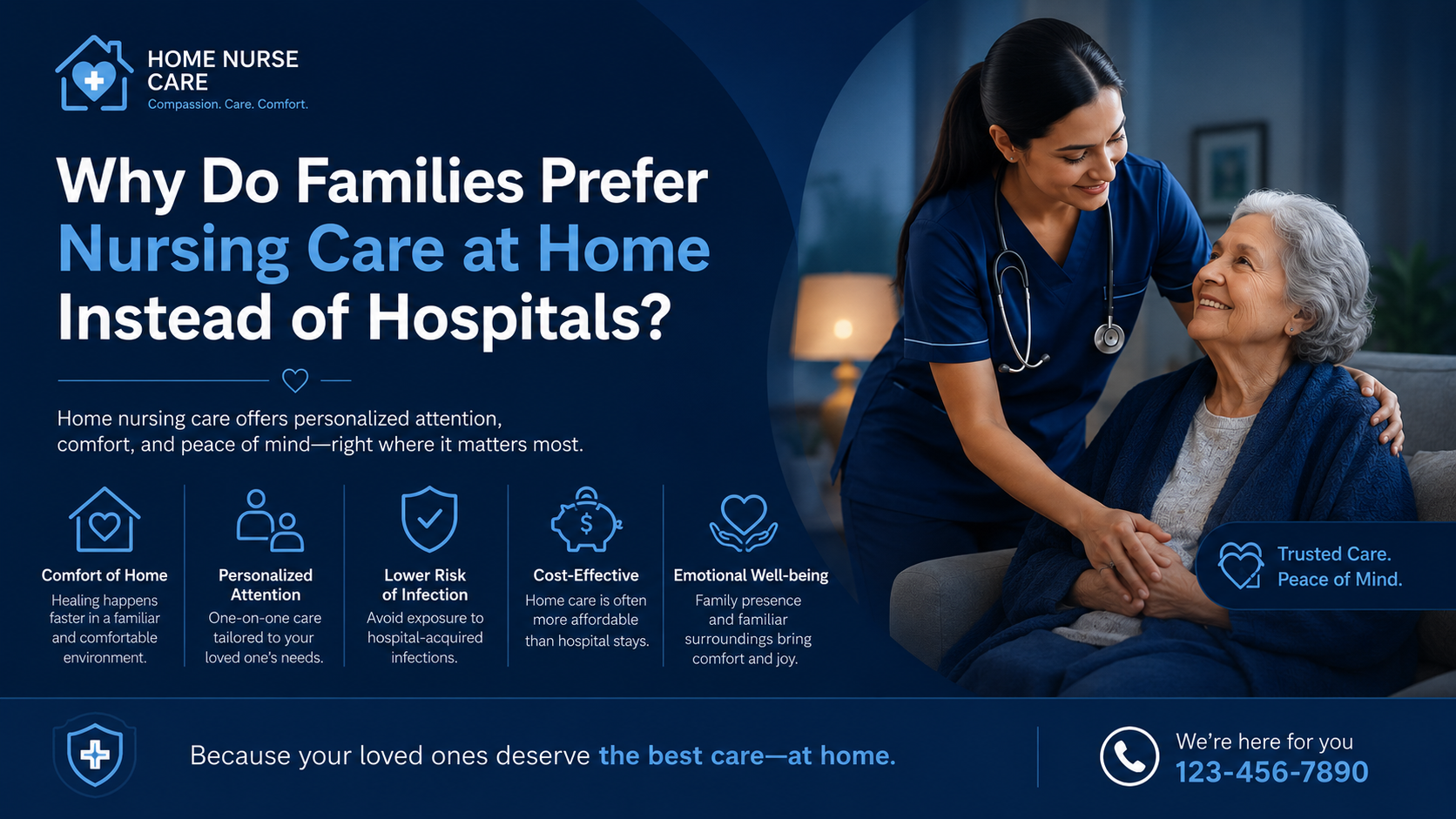
Hospitals are important for emergencies and critical treatments, but long hospital stays can become stressful, expensive, and emotionally difficult.
Patients often feel uncomfortable in crowded hospital environments. environments.Professional home healthcare services solve many of these problems.
Comfort and Emotional Support
Patients usually recover faster when they stay close to family members. A familiar home environment reduces anxiety and improves emotional wellbeing.
Personal Attention
In hospitals, one nurse may care for many patients at the same time. At home, the patient receives more focused care and attention.
Lower Risk of Infections
Hospitals can expose patients to infections. Home care reduces this risk and creates a safer recovery environment.
Better Convenience
Traveling to hospitals regularly can be difficult for elderly patients or people with mobility problems. Nursing support at home saves time and energy.
Family Satisfaction
Families feel relaxed knowing that a trained medical professional is taking care of their loved one properly.
Which Patients Need Professional Nursing Services at Home?
Many different types of patients benefit from home healthcare support.
Elderly Patients
Older adults often need help with mobility, medicines, daily routines, and regular health monitoring. A trained nurse helps elderly patients stay safe and comfortable.
Patients Recovering After Surgery
After surgery, patients may need wound care, injections, medicine management, and physical support. Professional nursing care improves recovery and reduces complications.
Patients With Chronic Diseases
People living with diabetes, blood pressure issues, heart disease, or breathing problems often require regular monitoring and medical assistance.
Disabled Patients
Patients with physical disabilities may need help with movement, hygiene, feeding, and daily care activities.
Patients Needing Palliative Care
Patients with serious illnesses may require pain management and emotional support at home.
How Does a Home Nurse Help Elderly Patients?
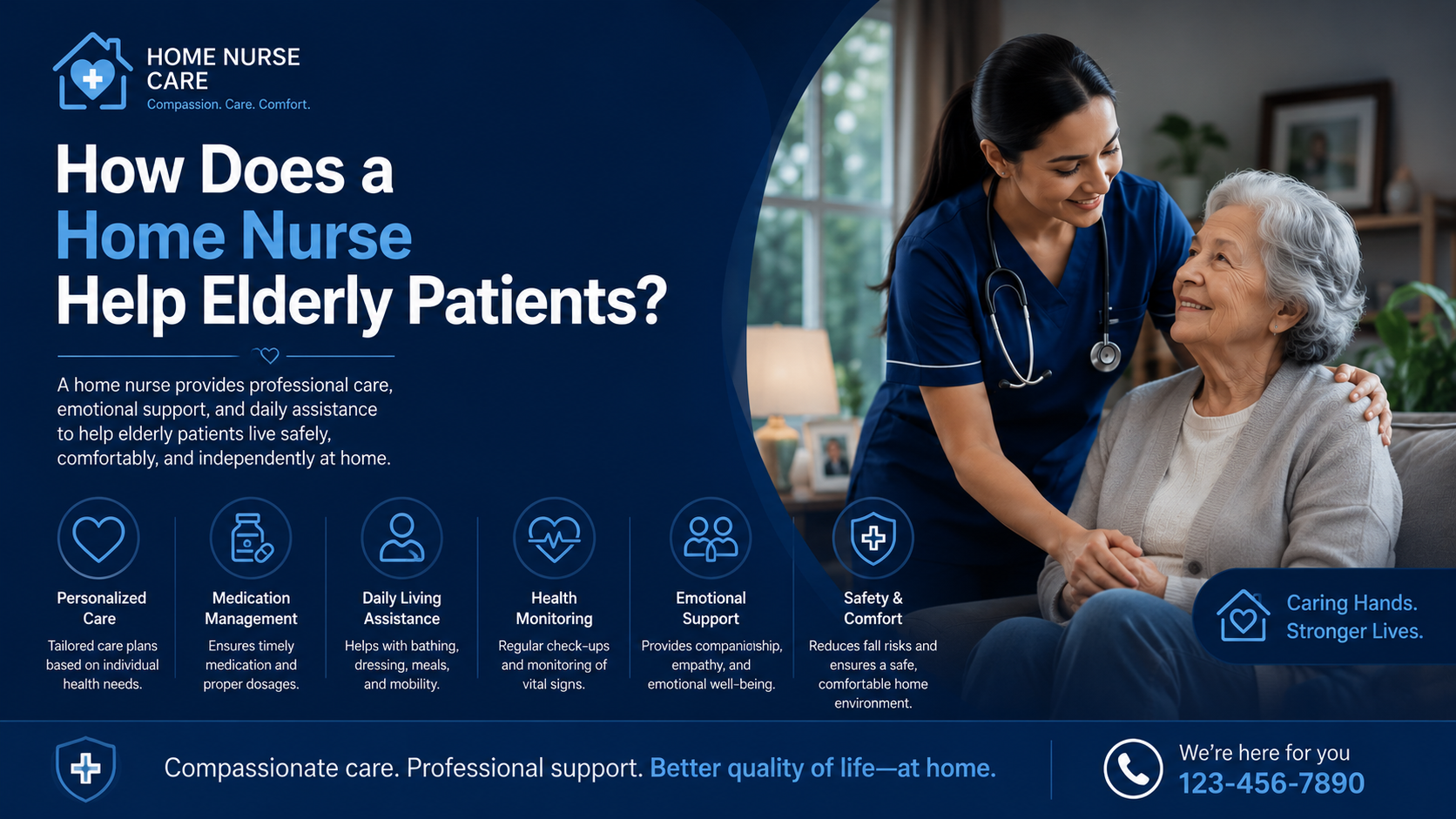
Elderly care is one of the biggest reasons families hire professional nursing services.
Older adults often face weakness, memory problems, joint pain, and difficulty performing daily tasks.
A trained nurse can help elderly patients by:
- Assisting with bathing and hygiene
- Giving medicines on time
- Helping with walking and movement
- Monitoring health conditions
- Providing companionship and emotional care
- Preventing falls and accidents
Families feel more confident knowing that their elderly loved ones are receiving proper attention and support every day.
What Medical Services Can Be Provided at Home?
Modern healthcare services now allow many medical treatments to be safely managed at home.
Injection and IV Therapy
Professional nurses can administer injections and intravenous treatments safely.
Wound Dressing
Patients recovering from surgery or injuries may need regular dressing changes and infection prevention care.
Vital Signs Monitoring
Blood pressure, pulse rate, sugar levels, oxygen levels, and temperature can all be monitored regularly.
Medicine Management
Patients often forget medicines or take incorrect doses. Nurses ensure medicines are taken properly and on schedule.
Feeding Support
Some patients require feeding assistance or tube feeding support.
Mobility Assistance
Patients with weakness or injuries may need help moving safely around the home.
Why Is Professional Nursing Care Important for Recovery?
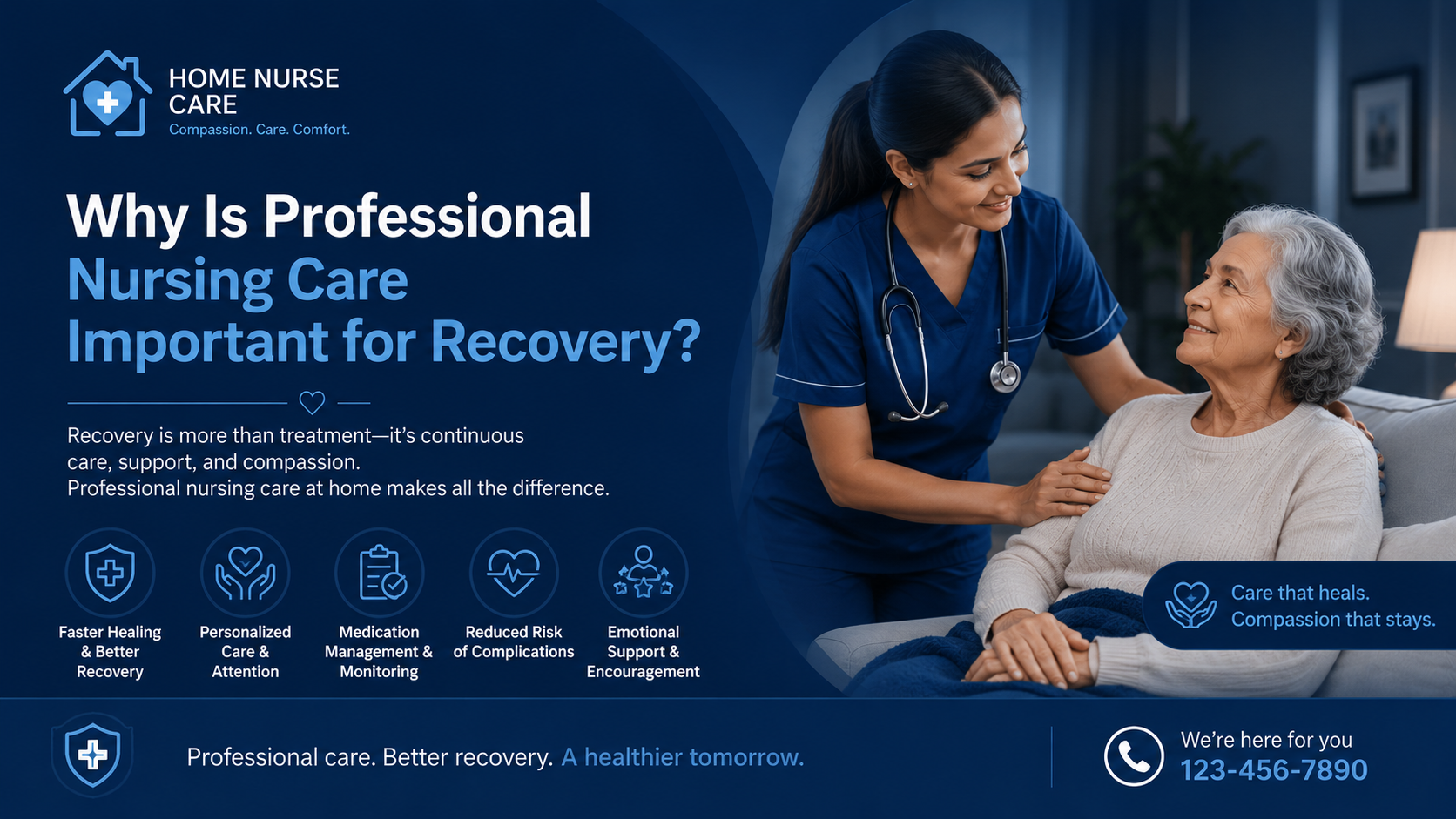
Recovery becomes difficult when patients do not receive proper medical attention at the right time. Mistakes with medicines, hygiene, or wound care can create serious health problems.
Professional nursing support improves recovery by:
- Reducing medical complications
- Preventing infections
- Monitoring health changes early
- Helping patients follow treatment plans
- Providing emotional encouragement
- Supporting physical recovery safely
Patients often recover faster when they receive continuous and professional care in a stress-free environment.
How Can Families Choose the Right Home Healthcare Service?
Choosing the right healthcare provider is extremely important for patient safety and satisfaction.
Check Professional Qualifications
Always confirm that the nurse is properly trained and experienced.
Ask About Experience
Different patients have different needs. Some nurses specialize in elderly care, while others focus on post surgery recovery or chronic disease management.
Verify Background and Reputation
Choose healthcare providers with positive reviews and a trusted reputation.
Discuss Patient Needs Clearly
Explain the patient’s medical condition, routine, medicines, and special requirements before starting care.
Ensure Good Communication
A professional nurse should communicate clearly with both the patient and family members.
What Are the Benefits of Hiring a Nurse for Long-Term Care?
Long-term medical support can become exhausting for family caregivers. Professional nursing assistance reduces stress and improves patient management.
Some major benefits include:
- Better patient safety
- Improved medicine management
- Reduced caregiver stress
- Continuous health monitoring
- Emotional support for patients
- More comfort and independence
Families can focus more on emotional bonding instead of constantly worrying about medical responsibilities.
Is Nursing Care at Home Affordable for Families?
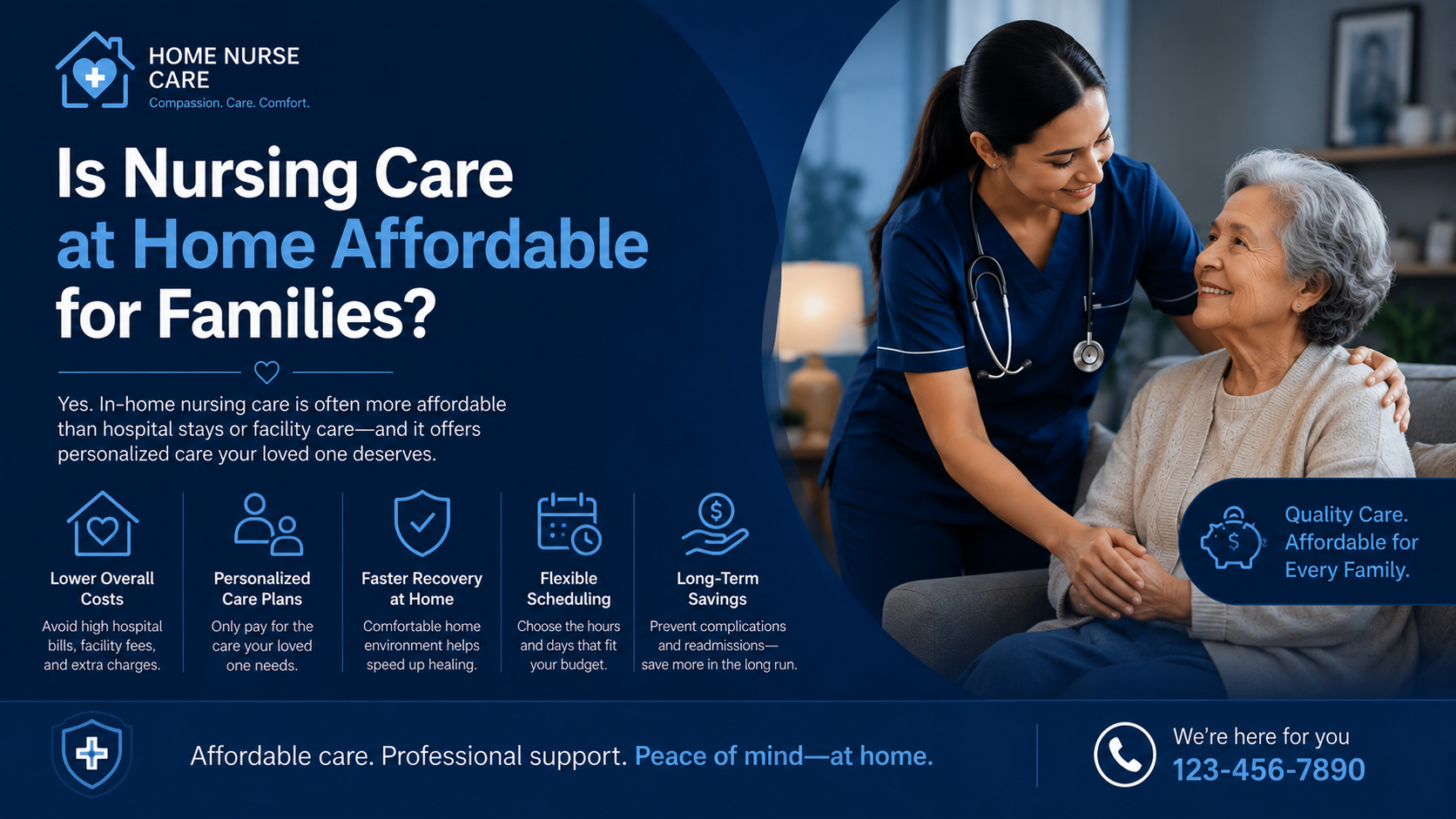
Many people assume professional healthcare at home is extremely expensive, but this is not always true. In many cases, home care costs less than long hospital stays.
The cost usually depends on:
- Patient condition
- Nursing hours required
- Medical services needed
- Nurse experience level
- Location and travel requirements
Families can choose part-time, full-time, or temporary nursing support according to their budget and patient needs.
How Does Home Healthcare Improve Quality of Life?
Good healthcare is not only about medicines and treatments.
Emotional comfort, dignity, independence, and peace of mind also matter greatly for recovery and happiness.
Professional nursing support improves quality of life by helping patients:
- Feel safer at home
- Stay emotionally connected with family
- Maintain daily routines
- Receive respectful personal care
- Recover with confidence and comfort
Patients often feel happier and more relaxed in their own homes compared to hospital environments.
What Should Families Expect During the First Nursing Visit?
The first visit is usually focused on understanding the patient’s condition and creating a proper care plan.
The nurse may:
- Review medical history
- Check medicines and prescriptions
- Monitor vital signs
- Discuss patient needs
- Evaluate mobility and safety concerns
- Create a daily care routine
This process helps ensure safe and effective patient care from the beginning.
Can a Home Nurse Support Patients With Serious Illnesses?
Yes, many professional nurses are trained to care for patients with serious medical conditions. These may include:
- Cancer patients
- Stroke recovery patients
- Heart disease patients
- Patients with breathing problems
- Patients needing palliative care
Proper nursing support helps manage symptoms, reduce discomfort, and improve patient dignity during difficult health situations.
Why Is Emotional Support Important in Patient Care?
Patients often experience loneliness, fear, stress, or depression during illness. Emotional care plays a major role in healing and recovery.
Professional nurses not only provide medical support but also encourage patients emotionally.
Simple communication, kindness, and companionship can improve mental wellbeing significantly.
Families also feel emotionally stronger when they know their loved one is receiving proper professional care.
FAQ:
What does a home nurse do?
A home nurse provides medical and personal care services at a patient’s home. Services may include medicine management, injections, wound dressing, health monitoring, elderly care, and recovery support.
Who needs nursing care at home?
Elderly patients, disabled individuals, surgery recovery patients, and people with chronic illnesses often need professional nursing support at home.
Is home healthcare safe for patients?
Yes, professional nursing care at home is safe when provided by trained and qualified healthcare professionals. It also reduces hospital infection risks.
Can a nurse help elderly patients with daily activities?
Yes, nurses can help elderly patients with walking, hygiene, medicine reminders, mobility support, feeding assistance, and daily routines.
How many hours can a home nurse stay with a patient?
Families can hire nurses for part-time, full-time, day shifts, night shifts, or twenty-four-hour care, depending on the patient’s needs.
Conclusion
Choosing a professional home nurse can make a major difference in a patient’s comfort, recovery, and overall quality of life.
Families today prefer healthcare at home because it provides personal attention, emotional support, safety, and convenience.
From elderly care to post surgery recovery, professional nursing services help patients receive proper medical care while staying close to their loved ones.
A trained nurse supports both physical and emotional wellbeing, making daily life easier for patients and families alike.
If your loved one needs regular medical attention, professional nursing care at home can provide the comfort, dignity, and support needed for a healthier and safer life.