

Finding a home visit nurse in Karachi can make a significant difference for patients who need medical care without leaving their homes.
Whether someone is recovering after surgery, managing a chronic illness, or requires elderly care, professional nursing support at home provides comfort, convenience, and consistent medical attention.
A qualified Nurse at home in Karachi can perform many essential healthcare tasks while helping patients stay in a familiar environment.
Families also gain peace of mind because trained nurses monitor health conditions, follow treatment plans, and communicate with doctors when necessary.
As healthcare needs continue to grow, Home nursing services Karachi have become an important option for individuals who prefer personalized care.
This guide explains everything you need to know, including available services, benefits, eligibility, and how to choose the right nurse for your family.
What Is a Home Visit Nurse?
A home visit nurse is a licensed healthcare professional who provides medical and personal care in a patient’s home.
Instead of visiting a hospital or clinic for routine nursing support, patients receive professional care where they live.
Home nurses work with people of different ages, including children, adults, and older adults.
Their responsibilities depend on the patient’s medical condition, the doctor’s instructions, and daily healthcare needs.
Common responsibilities include:
- Monitoring vital signs and overall health
- Administering prescribed medications and injections
- Changing wound dressings
- Caring for surgical wounds
- Managing feeding tubes and catheters
- Providing elderly care and mobility assistance
- Educating family caregivers about proper patient care
A Home care nurse Karachi may visit once a day, several times a week, or stay with the patient for extended shifts, depending on medical requirements.
Why Home Nursing Matters?
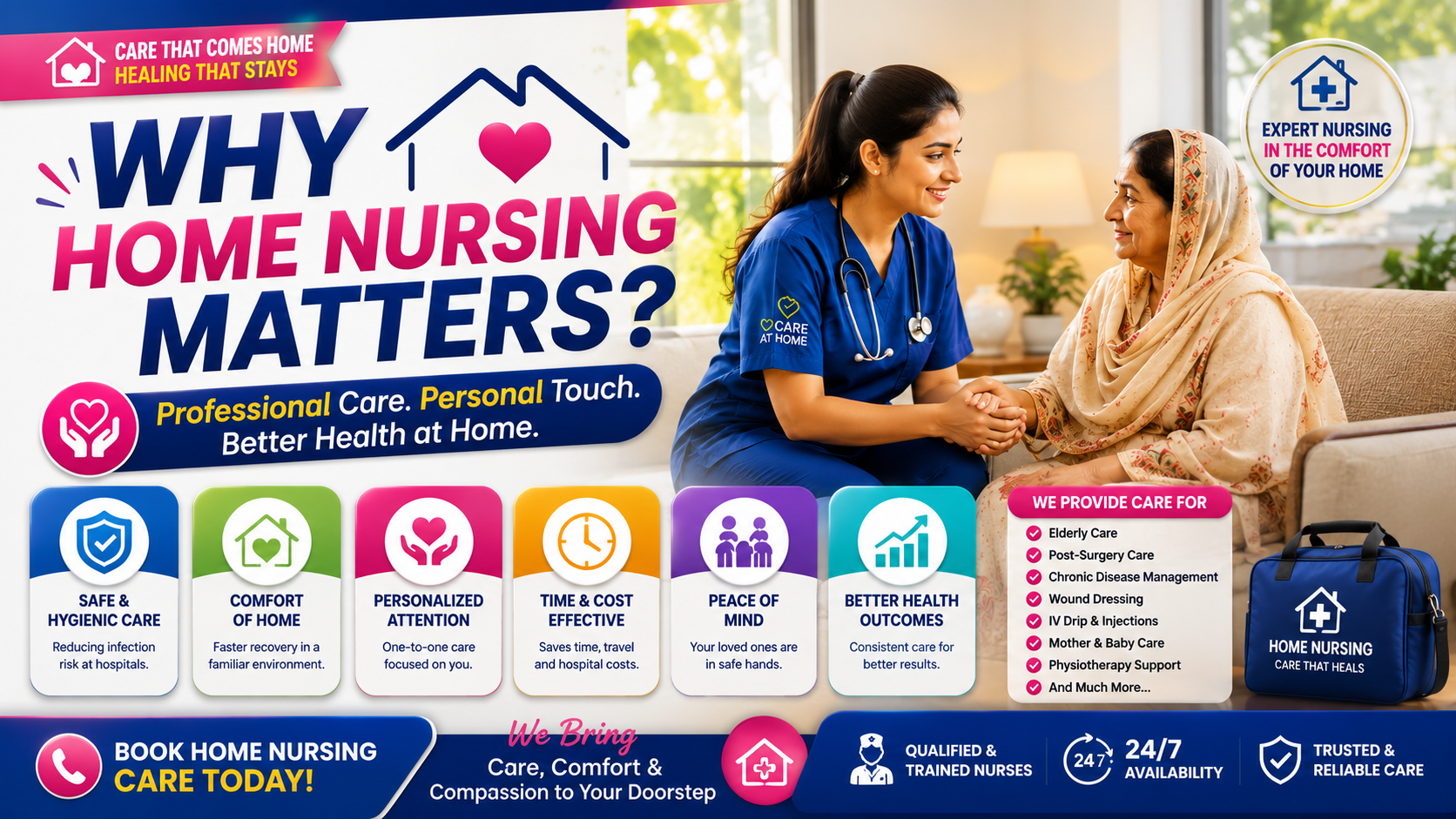
Healthcare is becoming more patient-centered, and home nursing plays an essential role in this approach.
Receiving professional care at home reduces unnecessary hospital visits while allowing patients to recover in a calm and familiar setting.
Many patients experience lower stress levels when surrounded by family members.
This emotional support often improves cooperation with treatment plans and daily routines.
Home nursing is especially valuable for:
- Older adults with limited mobility
- Patients recovering from surgery
- Individuals with long-term illnesses
- Patients needing rehabilitation
- People requiring palliative care
- Individuals with disabilities
Professional home nurses also help detect early warning signs that may require medical attention, reducing the risk of serious complications.
Who Can Benefit from Home Nursing Services?
Home nursing is suitable for a wide range of patients with different healthcare needs.
Older adults often require assistance with medication schedules, mobility, nutrition, and regular health monitoring.
A home nurse helps maintain their independence while improving safety.
Patients recovering after surgery benefit from wound care, infection prevention, pain monitoring, and rehabilitation support without frequent hospital travel.
Individuals living with chronic diseases such as diabetes, heart disease, kidney disease, stroke, or neurological disorders often require continuous monitoring that can be provided safely at home.
New mothers and newborn babies may also benefit from professional nursing visits during the early days after delivery.
Cancer patients receiving ongoing treatment frequently require symptom management, medication support, and compassionate nursing care throughout recovery.
Types of Home Nursing Services Karachi
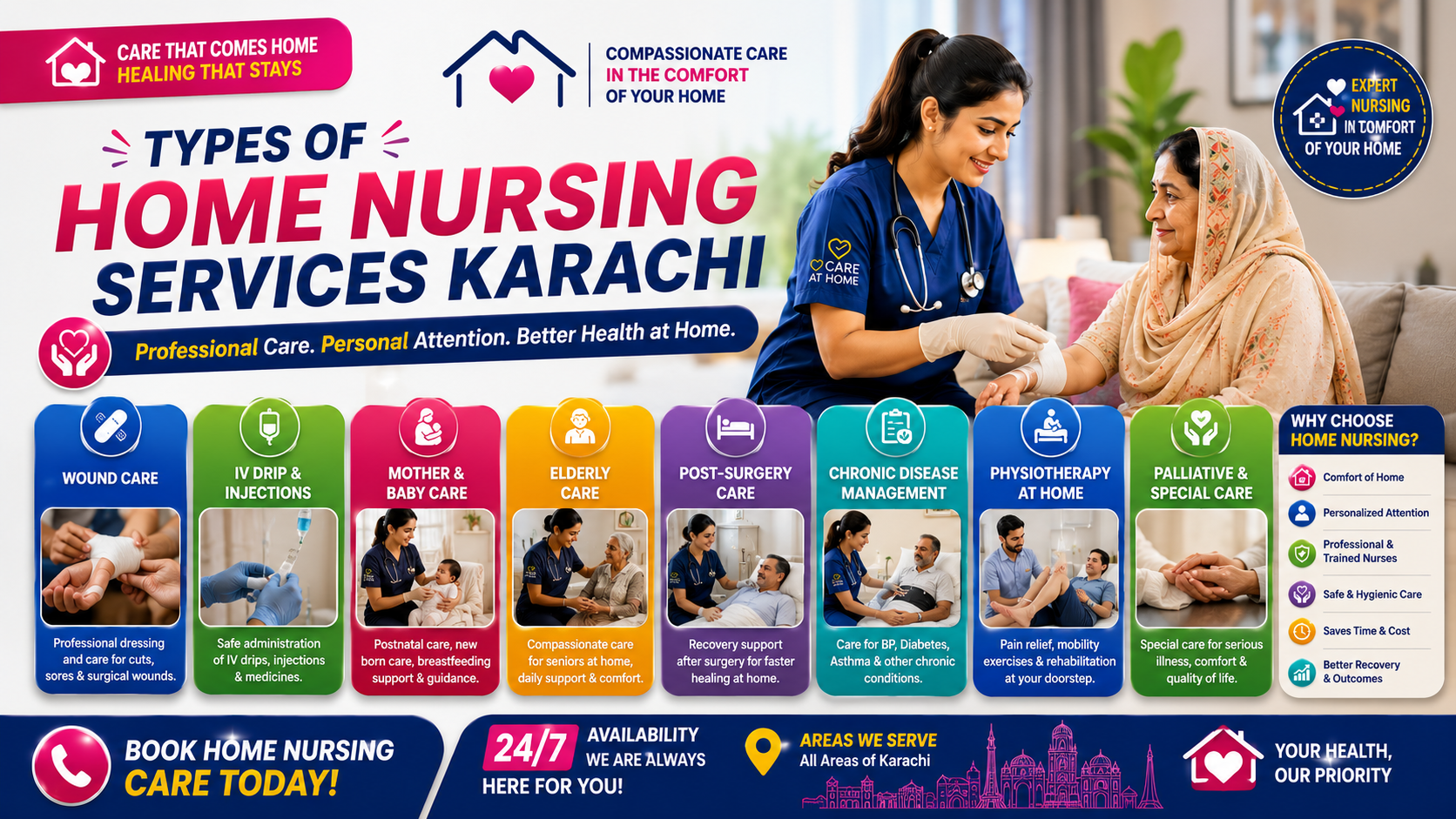
Healthcare needs differ from one patient to another. For this reason, home nursing services include several specialized care options.
General Nursing Care
General nursing focuses on routine medical assistance such as checking blood pressure, pulse, temperature, oxygen saturation, medication administration, injections, and patient observation.
Post Surgical Nursing
Patients recovering after orthopedic surgery, abdominal procedures, cardiac surgery, or other operations often require wound care, dressing changes, pain assessment, and mobility support during recovery.
Elderly Care
Older adults frequently need help with daily activities, medication reminders, fall prevention, nutrition, hygiene, and mobility assistance.
Critical Care Nursing
Some patients require advanced nursing skills after discharge from intensive care units.
Critical care nurses may monitor oxygen therapy, ventilators, feeding tubes, or other specialized medical equipment under physician guidance.
Chronic Disease Management
Patients living with diabetes, hypertension, kidney disease, heart failure, or neurological disorders benefit from regular monitoring that helps prevent complications.
Palliative and End of Life Care
Patients with serious illnesses often need pain management, comfort care, emotional support, and close symptom monitoring in a peaceful home environment.
Benefits of Choosing Home Visit Nursing Care
Professional home nursing offers advantages that extend beyond convenience. It improves both the patient’s healthcare experience and the family’s confidence in managing medical conditions.
Key Benefits of Home Nursing Services
- Personalized care based on individual medical needs
- Comfortable treatment in a familiar home environment
- Reduced hospital visits and waiting times
- Better infection control compared to crowded healthcare settings
- Continuous monitoring of recovery progress
- Professional medication administration
- Faster post-surgical recovery through regular nursing support
- Greater independence for elderly patients
- Improved communication between families and healthcare providers
- Reduced stress for both patients and caregivers
These benefits explain why many families now consider a Qualified home nurse Karachi an essential part of long-term healthcare planning.
How Home Nurses Support Different Medical Conditions
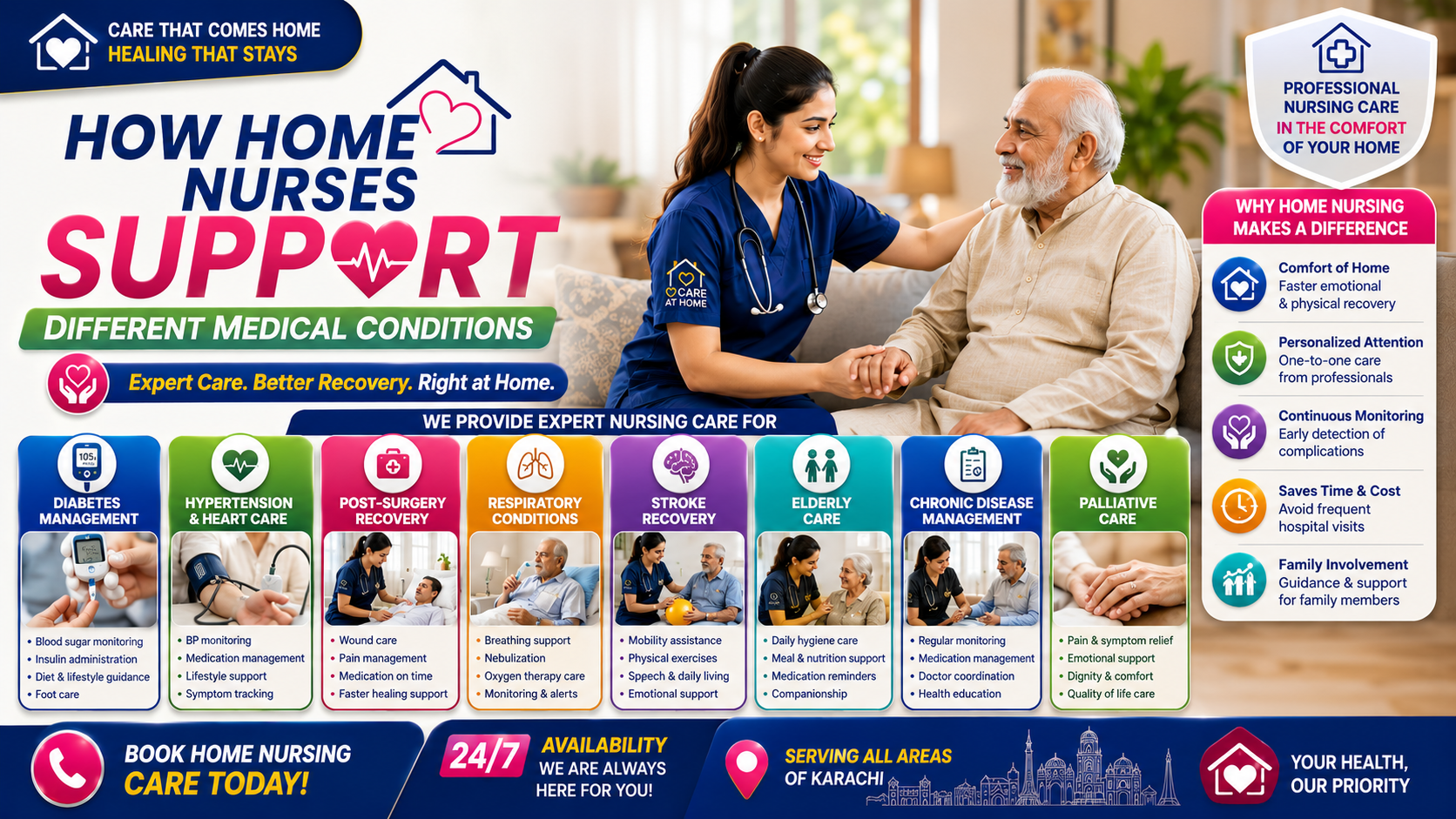
Professional nurses adapt their care according to each patient’s diagnosis and treatment plan.
For diabetic patients, nurses monitor blood sugar levels, administer insulin, educate patients about foot care, and watch for warning signs of complications.
Patients recovering from fractures receive mobility assistance, pain monitoring, wound care, and guidance for safe movement during rehabilitation.
Stroke patients often require help with medication schedules, mobility exercises, feeding support, and monitoring neurological symptoms.
Individuals with respiratory illnesses benefit from oxygen therapy management, breathing assessments, nebulization support, and observation for worsening symptoms.
Cancer patients frequently require pain management, nutritional monitoring, medication support, and compassionate emotional care during treatment.
Qualities of a Qualified Home Nurse
Selecting a skilled nurse is one of the most important decisions families can make. Professional competence should always come before convenience or cost.
A Private nurse home visit Karachi should possess clinical knowledge, strong communication skills, patience, and the ability to respond calmly during medical situations.
In addition to technical expertise, compassionate care helps build trust between the nurse, patient, and family.
Good nurses listen carefully, respect patient privacy, and encourage dignity throughout the care process.
Experience in wound care, medication management, infection prevention, elderly care, and emergency response also contributes to safer home healthcare.
Essential Features of Professional Home Nursing Care
Choosing the right home nursing service involves more than checking availability.
Quality care depends on the nurse’s qualifications, communication skills, and ability to meet the patient’s specific medical needs.
Professional home nurses focus on patient safety while working closely with physicians and family members.
They also maintain accurate health records and report any changes that may require medical attention.
Key Features to Look For
A reliable Home care nurse Karachi should provide:
- Professional nursing qualifications and relevant clinical experience
- Safe medication administration according to the doctor’s instructions
- Regular monitoring of blood pressure, pulse, temperature, and oxygen levels
- Proper wound care using infection control practices
- Clear communication with patients, families, and healthcare providers
- Respect for patient privacy and dignity
- Timely visits and dependable scheduling
- Accurate documentation of daily care and patient progress
- Emergency response knowledge for urgent situations
- Compassionate support that promotes comfort and confidence
These features help ensure that patients receive consistent, high-quality care in the comfort of their homes.
How to Choose the Right Home Visit Nurse in Karachi
Finding the right nurse requires careful evaluation.
Families should consider the patient’s medical condition, daily care requirements, and the nurse’s qualifications before making a decision.
Start by discussing the patient’s needs with the treating physician.
This helps identify whether general nursing, postoperative care, elderly support, or specialized clinical care is required.
Next, verify the nurse’s professional training, experience, and licensing.
Ask about previous experience with patients who have similar medical conditions.
Communication is equally important. A nurse should explain care procedures clearly, answer questions patiently, and work well with family members.
Finally, review the expected schedule, responsibilities, and emergency procedures before beginning home care.
Step-by-Step Process of Receiving Home Nursing Care
Most home nursing services follow a structured process to ensure safe and effective patient care.
The journey usually begins with a medical assessment. During this stage, healthcare professionals review the patient’s diagnosis, treatment plan, medications, and daily care needs.
After the assessment, a suitable nurse is assigned based on experience and clinical expertise.
A personalized care plan is then prepared according to the doctor’s recommendations.
During each visit, the nurse monitors vital signs, provides prescribed treatments, records patient progress, and reports any concerns to the healthcare team.
Regular reviews allow the care plan to change as the patient’s condition improves or new healthcare needs arise.
Practical Examples of Home Nursing Care
Real-life situations demonstrate how home nursing supports patients across different age groups and medical conditions.
A 72-year-old patient recovering from hip replacement surgery may need daily wound dressing, pain monitoring, and mobility assistance.
Instead of traveling to a healthcare facility, a nurse performs these tasks safely at home while helping the patient regain independence.
A middle-aged patient with diabetes may require insulin administration, blood glucose monitoring, and education about healthy routines.
Regular nursing visits reduce the risk of complications and improve treatment adherence.
Parents of a newborn may also request short-term nursing support after delivery.
A qualified nurse can monitor both mother and baby while offering guidance on feeding, hygiene, and recovery.
These examples show how personalized care can improve comfort while supporting medical treatment.
Common Mistakes When Hiring a Home Nurse
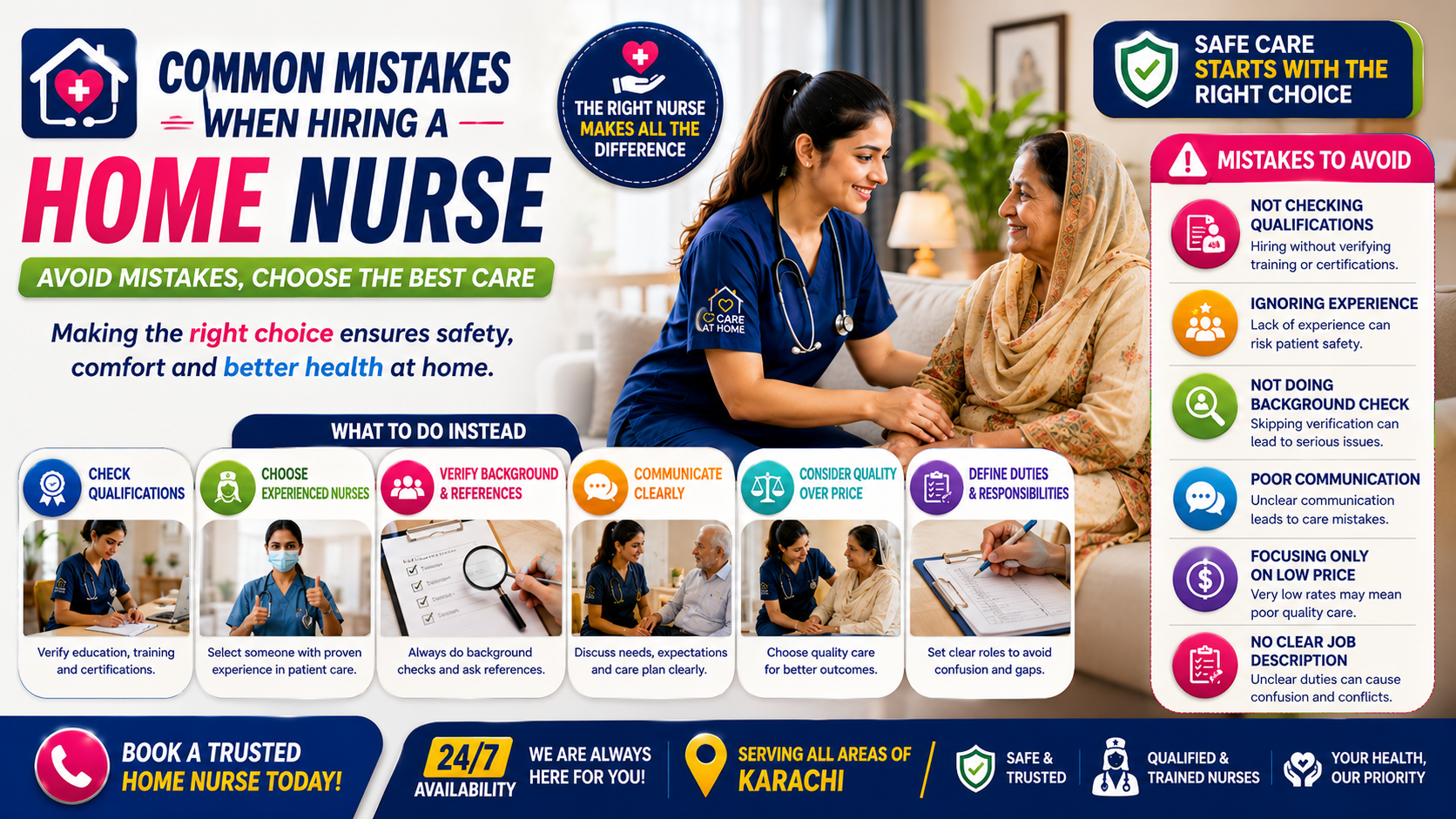
Families sometimes focus only on cost and overlook other important factors. This may affect the quality of care the patient receives.
One common mistake is choosing a nurse without verifying qualifications or clinical experience.
Patients with complex medical conditions often require specialized nursing skills.
Another mistake is failing to communicate the patient’s complete medical history.
Accurate information helps nurses provide safe and appropriate care.
Some families also ignore the importance of regular communication with the treating physician.
Coordinated care between doctors and nurses often leads to better health outcomes.
Finally, unclear expectations regarding schedules, responsibilities, and emergency procedures can create confusion.
Discussing these details in advance helps everyone work together effectively.
Home Nursing vs Hospital Care
The choice between home nursing and hospital care depends on the patient’s condition, treatment requirements, and doctor’s recommendations.
Feature | Home Nursing Care | Hospital Care |
Care Environment | Comfortable home setting | Clinical hospital environment |
Personal Attention | One-on-one patient-focused care | Shared attention among multiple patients |
Family Involvement | High level of participation | Limited during hospital routines |
Infection Exposure | Generally lower risk | Higher due to a larger patient population |
Suitable For | Stable recovery, elderly care, chronic illness management | Emergency care, surgery, intensive treatment |
Convenience | No travel required | Requires transportation and hospital visits |
Emotional Comfort | Familiar surroundings | Less personal environment |
Both options have important roles in healthcare.
Hospital treatment is essential for emergencies and complex medical procedures, while home nursing provides ongoing support during recovery and long-term care.
When Should You Consider Home Nursing?
Many families wonder when it is appropriate to arrange professional nursing care at home.
Patients who have recently been discharged from the hospital often benefit from continued medical supervision.
This helps ensure medications are taken correctly, wounds heal properly, and recovery stays on track.
Older adults with limited mobility may also benefit from regular nursing visits that reduce the need for frequent travel.
People managing chronic illnesses such as diabetes, heart disease, stroke, or neurological conditions often require routine health monitoring.
A Qualified home nurse in Karachi can provide this support while helping patients remain comfortable in their own homes.
Another suitable situation is palliative care, where the primary goal is improving comfort and quality of life through compassionate nursing support.
Expert Recommendations for Better Home Nursing Care
Healthcare professionals agree that successful home nursing depends on teamwork between the patient, family members, nurse, and physician.
Open communication helps everyone stay informed about the patient’s condition and treatment progress.
Keep an updated list of medications, allergies, and emergency contact numbers in an easily accessible place.
This information allows the nurse to provide safe and efficient care during every visit.
Families should also prepare a clean, well-lit, and comfortable space for nursing procedures.
Proper hygiene, regular hand washing, and following medical instructions reduce the risk of infection and support faster recovery.
For patients with long-term illnesses, regular follow-up appointments with their doctor remain important even when receiving Home nursing services Karachi.
Home nursing complements medical treatment but does not replace physician care.
The Future of Home Nursing in Karachi
The demand for home healthcare continues to grow as more families seek personalized medical care outside traditional hospital settings.
Advances in medical equipment now allow many treatments that once required hospitalization to be safely delivered at home under professional supervision.
Digital health technologies are also improving patient care.
Nurses can document health records electronically, communicate with physicians more efficiently, and monitor certain health conditions using connected medical devices.
As healthcare continues to evolve, the role of the Nurse at home Karachi will become even more valuable for elderly care, chronic disease management, rehabilitation, and post operative recovery.
Frequently Asked Questions
What does a home visit nurse in Karachi do?
A home visit nurse provides professional medical care at a patient’s home.
Services may include medication administration, wound care, vital sign monitoring, injections, catheter care, elderly support, and post-operative nursing based on the doctor’s treatment plan.
Who can benefit from home nursing services in Karachi?
Home nursing is suitable for elderly individuals, patients recovering from surgery, people with chronic illnesses, individuals with disabilities, new mothers, and patients requiring rehabilitation or palliative care.
How do I choose a qualified home nurse in Karachi?
Look for professional nursing qualifications, relevant clinical experience, strong communication skills, positive references, and experience managing the patient’s specific medical condition.
Always verify credentials before hiring.
Is home nursing safe for elderly patients?
Yes. Professional home nurses monitor health conditions, assist with medications, reduce fall risks, support mobility, and communicate with physicians when health changes occur, making home care a safe option for many older adults.
Can a private home nurse provide post surgery care?
Yes. A Private nurse home visit in Karachi can provide wound dressing, medication management, pain monitoring, mobility assistance, infection prevention, and regular health assessments according to the surgeon’s instructions.
Conclusion
Choosing a home visit nurse in Karachi is an important decision for families seeking safe, professional, and compassionate healthcare at home.
Qualified nurses provide personalized care that supports recovery, improves comfort, and helps patients maintain a better quality of life without frequent hospital visits.
Whether the need involves post surgical recovery, elderly care, chronic disease management, or temporary medical assistance, selecting an experienced Home care nurse Karachi ensures that patients receive appropriate care tailored to their individual health needs.
By working closely with healthcare providers and following a structured care plan, home nursing can play a vital role in achieving positive health outcomes.