

A stroke can change a person’s life in a matter of minutes. A loved one who was once active and independent may suddenly need help with walking, eating, speaking, or performing simple daily tasks.
This situation can leave families feeling scared, stressed, and unsure about what to do next.
Many caregivers worry about making mistakes.
They wonder if they are giving the right food, helping with the right exercises, or doing enough to prevent another stroke.
These concerns are common because stroke recovery is often a long journey.
The good news is that proper home care for stroke patients can make a significant difference.
A safe home environment, healthy lifestyle choices, emotional support, and regular medical care can help patients recover with greater comfort and confidence.
This guide explains the most important steps families can take to provide the best possible care.
Why Is Home Care for Stroke Patients Essential for Recovery?
After leaving the hospital, most stroke survivors continue their recovery at home.
The familiar surroundings of home often reduce stress and improve emotional wellbeing.
Good home care for stroke patients helps by:
- Encouraging independence.
- Improving physical recovery.
- Lowering the risk of complications.
- Providing emotional comfort.
- Supporting long-term rehabilitation.
Patients who receive consistent care and encouragement often feel more motivated to work toward recovery.
What Problems Can Stroke Patients Experience After Returning Home?
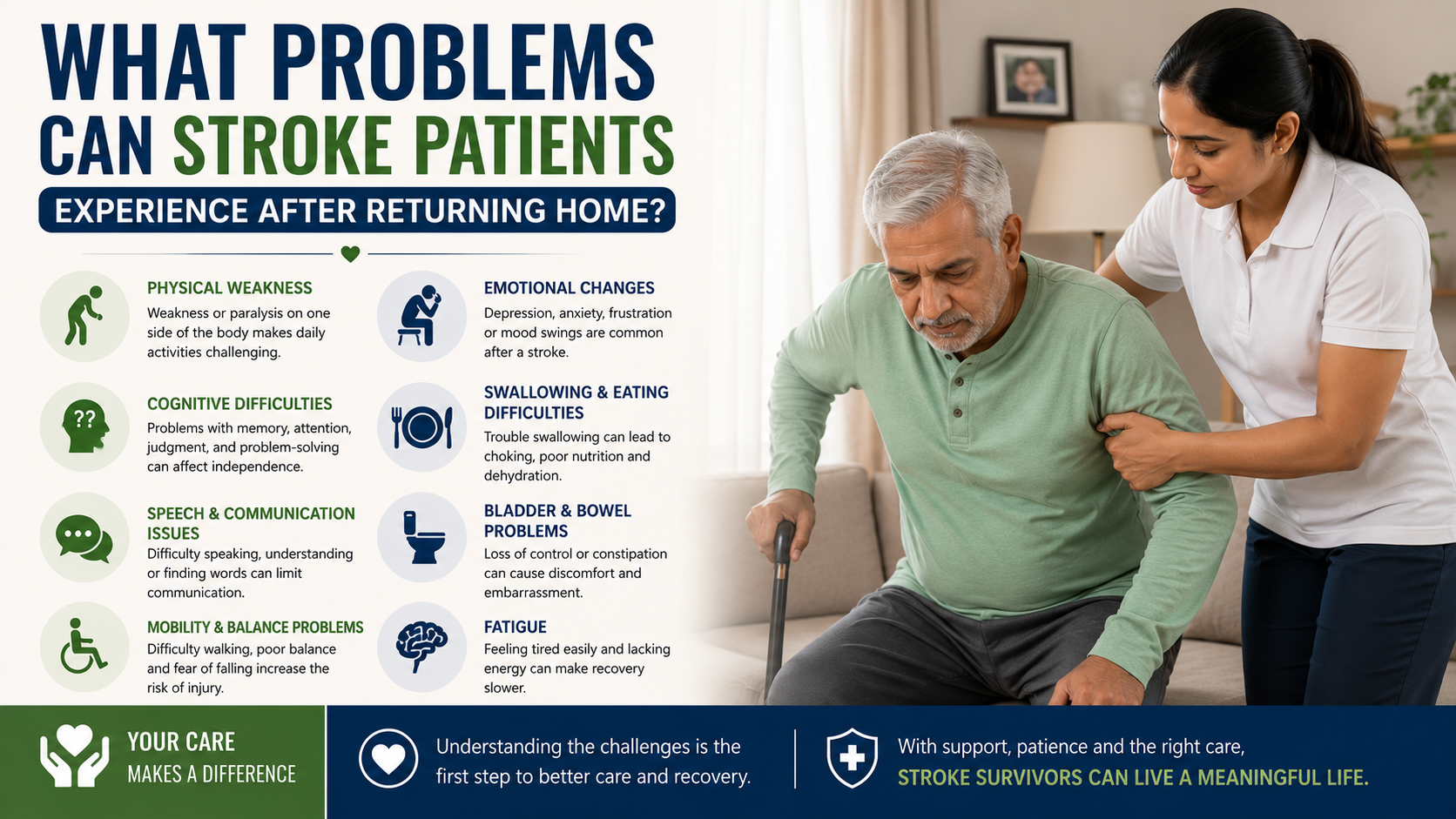
Every stroke affects the brain differently, so symptoms vary from person to person.
Common challenges include:
- Weakness on one side of the body.
- Difficulty speaking.
- Trouble swallowing food or drinks.
- Memory loss.
- Poor balance and coordination.
- Anxiety, sadness, or depression.
Some patients recover quickly, while others require months of therapy and support.
How Can You Make the Home Safe for a Stroke Survivor?
Creating a safe environment is one of the first steps after a patient returns home.
Families should consider the following:
- Remove loose carpets and clutter.
- Keep floors dry and clean.
- Install support bars in bathrooms.
- Place frequently used items within easy reach.
- Ensure every room has proper lighting.
- Use sturdy chairs with arm support.
These simple changes can greatly reduce the risk of falls and injuries.
What Daily Exercises Can Help Stroke Patients Recover?
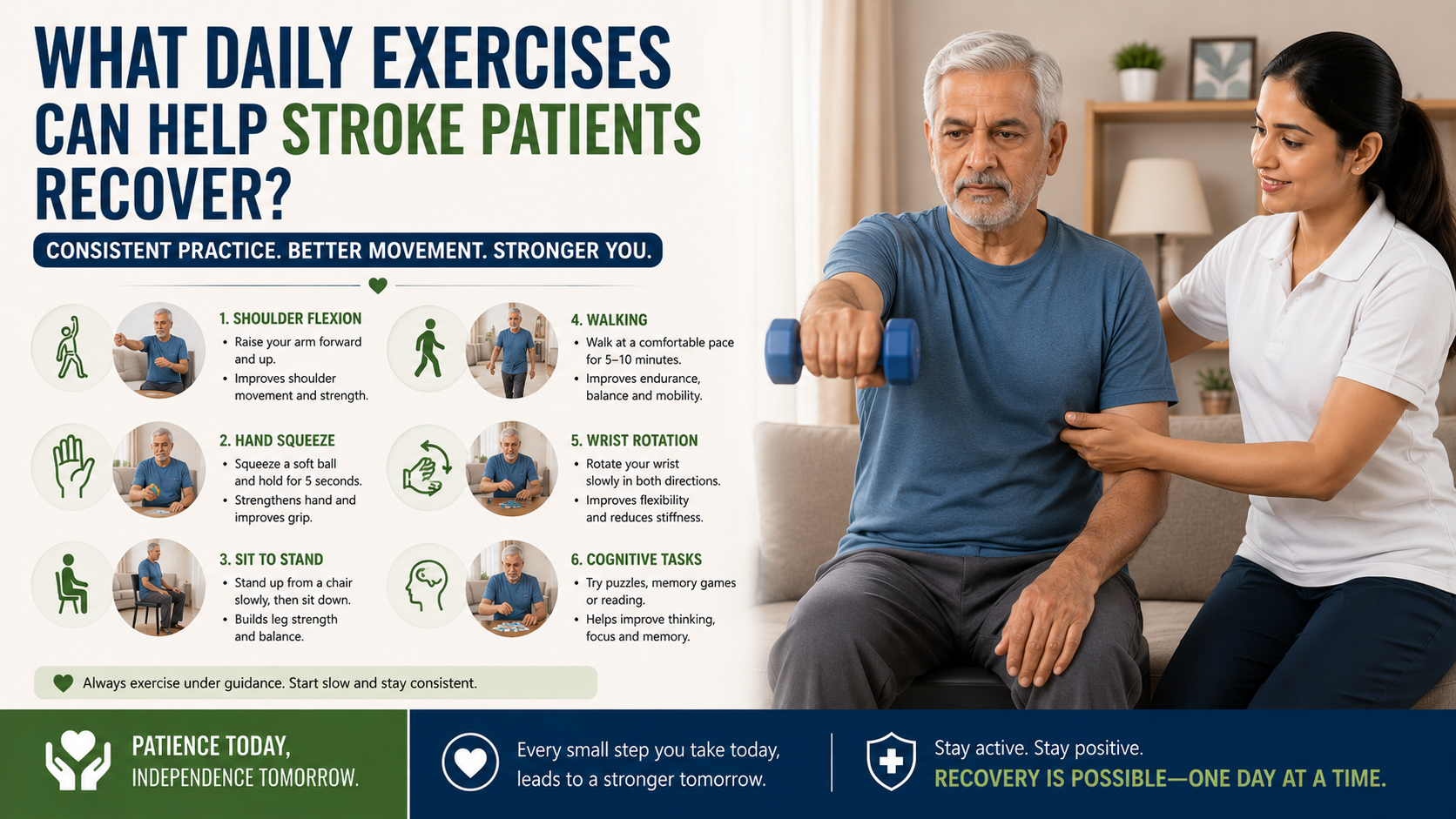
Physical activity helps rebuild strength and improve movement. Patients should always follow the exercise plan recommended by their healthcare provider.
Helpful daily activities may include:
- Short walks.
- Gentle stretching.
- Hand and finger exercises.
- Sitting and standing practice.
- Light balance exercises.
Regular movement helps muscles become stronger and supports better coordination.
How Does Nutrition Help Stroke Recovery?
Healthy eating plays a major role in preventing future health problems and supporting the healing process.
A balanced diet should include:
- Fresh fruits.
- Green vegetables.
- Whole grains.
- Lean meat and fish.
- Beans and nuts.
- Low fat dairy products.
Patients should avoid excessive salt, sugary drinks, processed snacks, and foods high in unhealthy fats.
Drinking enough water every day is equally important.
Why Is Medication Management So Important?
Many stroke survivors take medicines to reduce the risk of another stroke. Missing even a few doses can create serious health risks.
Caregivers should:
- Follow the doctor’s instructions carefully.
- Give medicines at the same time each day.
- Use a pill organizer.
- Keep an updated medicine list.
- Never stop medication without medical advice.
Good medication management is a key part of home care for stroke patients.
How Can Families Help Improve Speech and Communication?
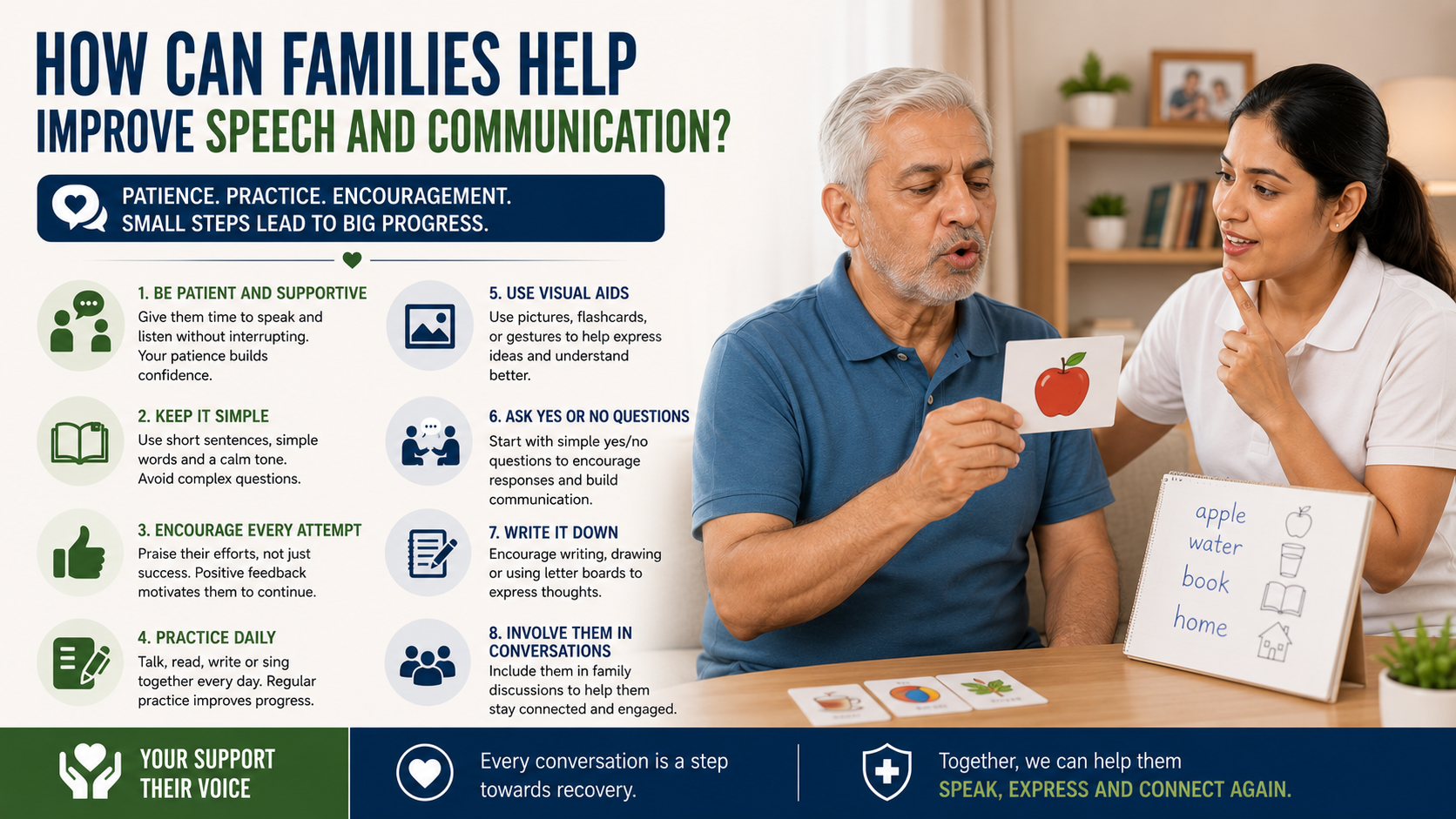
Some stroke patients find it difficult to speak or express their thoughts clearly. Family support can help build confidence.
Helpful tips include:
- Speak slowly and clearly.
- Ask simple questions.
- Give the patient enough time to answer.
- Encourage daily conversation.
- Practice speech exercises if recommended by a therapist.
Patience is one of the most valuable gifts caregivers can offer.
Why Is Emotional Support Just as Important as Physical Care?
A stroke affects more than the body. Many survivors experience fear, frustration, loneliness, or depression during recovery.
Family members can provide emotional support by:
- Listening carefully.
- Encouraging positive thinking.
- Celebrating small achievements.
- Spending quality time together.
- Helping the patient stay socially connected.
A positive environment often improves both mental and physical recovery.
When Should You Consider Professional Care Services?
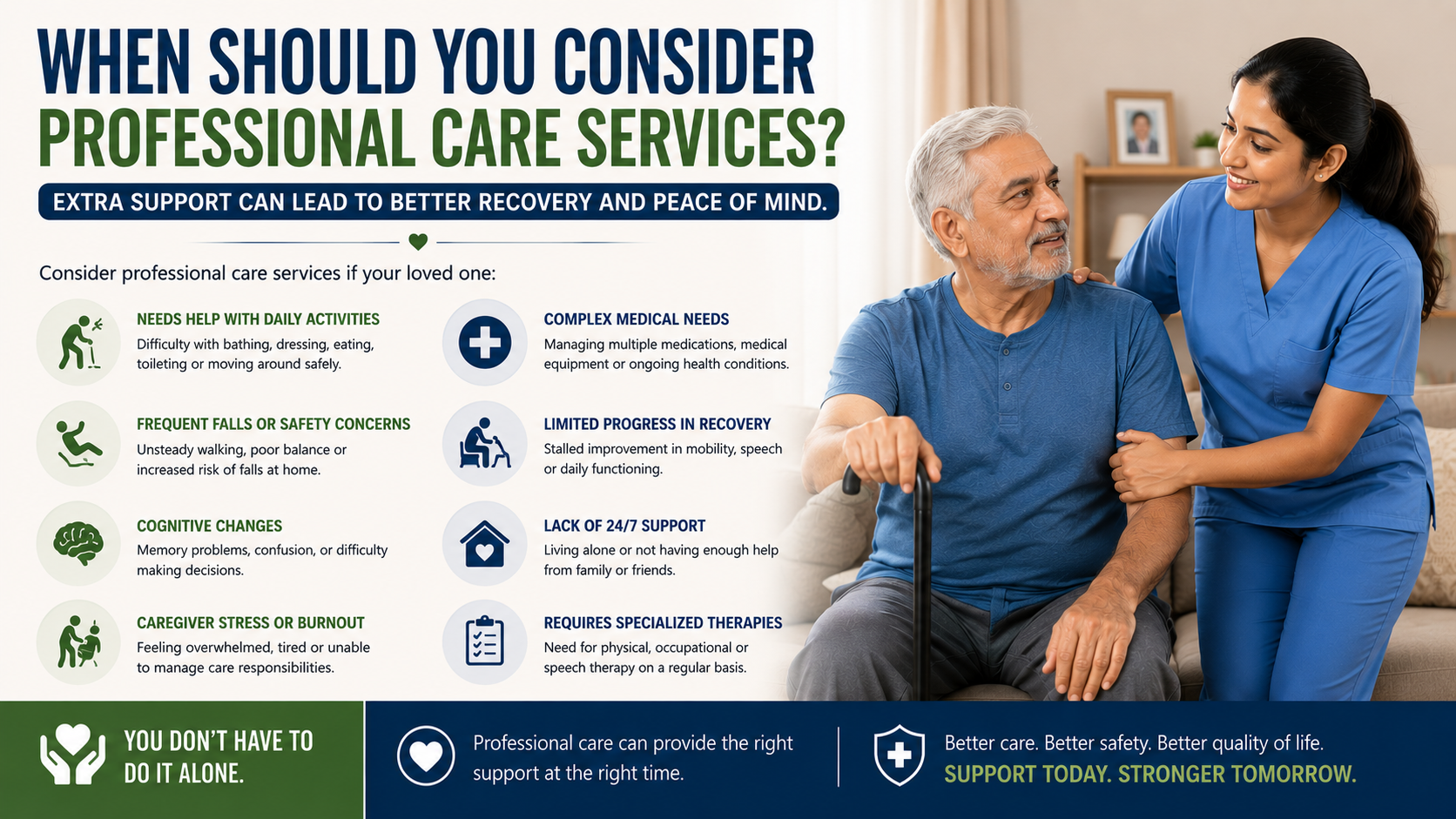
Some patients need more support than family members can provide alone.
Professional caregivers can assist with:
- Personal hygiene.
- Bathing and dressing.
- Medication reminders.
- Mobility assistance.
- Meal preparation.
- Monitoring overall health.
Professional care services can reduce stress for families while improving the patient’s quality of life.
How Can You Reduce the Risk of Another Stroke?
Preventing a second stroke should always be a priority.
Doctors usually recommend:
- Controlling blood pressure.
- Managing diabetes properly.
- Eating healthy meals.
- Staying physically active.
- Avoiding smoking.
- Limiting alcohol intake.
- Taking prescribed medicines regularly.
Following these habits can help protect long term health.
What Challenges Do Family Caregivers Commonly Face?
Caring for a stroke survivor requires patience and dedication. Many caregivers struggle with physical and emotional stress.
Common challenges include:
- Lack of sleep.
- Managing medical appointments.
- Balancing work and family responsibilities.
- Emotional exhaustion.
- Caregivers should also take care of their own health and ask for help when necessary.
How Long Does Stroke Recovery Usually Take?
Recovery time depends on the severity of the stroke and the patient’s overall health.
Some people improve within a few weeks, while others continue making progress for many months.
Consistent therapy, healthy habits, and proper home care for stroke patients can help patients achieve the best possible results.
What Warning Signs Should Never Be Ignored?
Seek immediate medical help if the patient experiences:
- Sudden weakness.
- Difficulty speaking.
- Severe headache.
- Loss of balance.
- Vision problems.
- Confusion.
- Chest pain.
- Trouble breathing.
Fast treatment can save lives and reduce brain damage.
Frequently Asked Questions
What is the main goal of home care after a stroke?
The main goal is to improve recovery while keeping the patient safe, healthy, and comfortable.
Can stroke patients recover better at home?
Many patients recover well at home when they receive proper medical care and family support.
What foods are best for stroke recovery?
Fresh fruits, vegetables, whole grains, lean proteins, and healthy fats are excellent choices.
How can family members help a stroke survivor emotionally?
They can offer encouragement, spend time together, listen carefully, and celebrate small improvements.
When should a family hire a professional caregiver?
Professional help should be considered when the patient needs assistance with daily activities, mobility, medication management, or constant supervision.
Conclusion
The journey after a stroke can be difficult, but families are not powerless.
The right home care for stroke patients creates a safe and supportive environment where recovery becomes possible.
Healthy meals, regular exercise, proper medication, emotional support, and professional guidance all work together to improve quality of life.
With patience, consistency, and the right care plan, stroke survivors can regain confidence, build independence, and move toward a brighter future.