

Recovering from surgery, managing a chronic illness, or caring for an aging loved one can quickly become overwhelming without the right medical support.
Frequent hospital visits, transportation challenges, and the need for continuous monitoring often place emotional and physical stress on both patients and family caregivers.
This is where in home nursing services make a meaningful difference. Instead of staying in a hospital for extended periods, patients can receive professional medical care in the comfort of their own homes.
Qualified nurses provide personalized treatment plans, monitor recovery, administer medications, and help families manage complex health conditions with confidence.
Modern home nursing services go far beyond basic caregiving.
They include skilled medical procedures, rehabilitation support, post operative care, chronic disease management, and specialized services for elderly patients.
With advances in healthcare, many treatments that once required hospitalization can now be safely delivered at home by trained healthcare professionals.
This comprehensive guide explains who benefits from home nursing, the services available, how to choose the right provider, expected costs, and the best practices for ensuring high-quality patient care.
What Are In Home Nursing Services?
In-home nursing services refer to professional medical care delivered by licensed or registered nurses in a patient’s home.
Unlike non medical caregiving, these services focus on clinical treatment, health monitoring, and recovery support under a personalized care plan.
A qualified home nurse works closely with physicians, family caregivers, and other healthcare professionals to ensure continuity of care outside the hospital.
Common responsibilities include:
- Medication administration
- Vital signs monitoring
- Wound dressing changes
- Injection services at home
- IV therapy
- Catheter care
- Feeding tube management
- Tracheostomy care
- Blood pressure monitoring
- Diabetes nursing care
- Rehabilitation nursing
- Infection prevention
- Patient education
- Family caregiver support
This model of care helps patients receive hospital-quality treatment while remaining in a familiar and comfortable environment.
Featured Snippet:
Home nursing services provide skilled medical care at home through qualified nurses who assist with treatment, recovery, chronic disease management, medication administration, and continuous health monitoring.
Who Needs Professional Home Nursing Care?
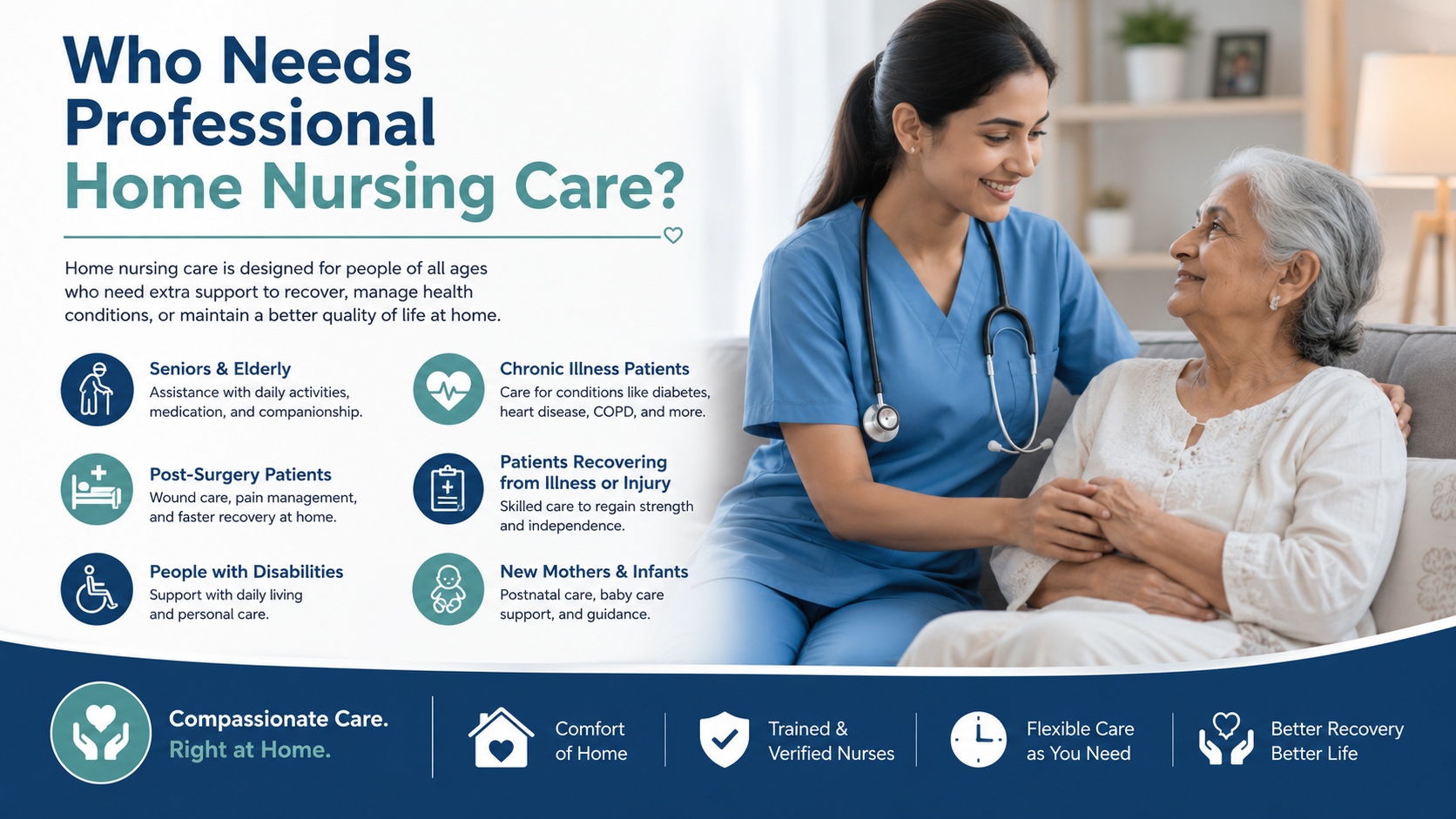
Professional nursing care at home benefits people of all ages who require medical attention but do not necessarily need hospital admission.
Patients who often benefit include:
Seniors with Age-Related Health Conditions
Older adults frequently require ongoing health monitoring, medication management, mobility assistance, and pressure sore prevention.
Senior nursing care at home allows elderly individuals to maintain independence while receiving professional support.
Post Surgical Patients
Recovery after orthopedic surgery, abdominal procedures, cardiac surgery, or joint replacement often requires careful monitoring and wound care.
Postoperative home nursing reduces complications and encourages faster healing.
Patients Living with Chronic Diseases
Individuals diagnosed with diabetes, heart disease, kidney disease, COPD, or neurological disorders benefit from regular nursing assessments and personalized medical care at home.
Patients Recovering from Stroke
Stroke rehabilitation involves mobility assistance, medication management, speech therapy coordination, and continuous observation for neurological changes.
Cancer Patients
Cancer patient home nursing focuses on pain management, symptom monitoring, medication administration, nutritional support, and improving overall quality of life.
Patients Receiving Palliative Care
Patients with serious illnesses often require compassionate nursing that focuses on comfort, dignity, and symptom control while supporting family members.
What Services Does a Home Nurse Provide?
One of the biggest misconceptions is that home nurses only assist elderly patients.
In reality, qualified nurses perform many advanced medical procedures that previously required hospitalization.
Nursing Assessment
Every care plan begins with a complete patient evaluation, including:
- Medical history
- Current diagnosis
- Medication review
- Mobility assessment
- Nutritional status
- Risk of infection
- Fall risk evaluation
The nurse then develops a personalized nursing care plan in coordination with the treating physician.
Medication Administration
Professional nurses ensure medications are taken safely and correctly.
This includes:
- Oral medications
- Injectable medicines
- Insulin administration
- IV medications
- Antibiotic therapy
- Pain management
Proper medication administration significantly reduces treatment errors.
Wound Care at Home
Patients recovering from surgery, burns, diabetic ulcers, or traumatic injuries require regular wound dressing and infection prevention.
Professional wound care includes:
- Sterile dressing changes
- Surgical incision care
- Pressure ulcer treatment
- Diabetic foot wound management
- Infection monitoring
Consistent wound management promotes faster recovery while reducing hospital readmissions.
IV Drip at Home
Many patients require intravenous therapy without hospital admission.
Common examples include:
- Fluid replacement
- Antibiotics
- Nutritional therapy
- Vitamin infusions
- Hydration support
Registered nurses monitor patients carefully during IV administration to ensure safety.
Catheter Care at Home
Patients with urinary catheters require professional monitoring to prevent infections and complications.
Services include:
- Catheter insertion
- Catheter replacement
- Hygiene maintenance
- Drainage monitoring
- Infection prevention
Tracheostomy and Feeding Tube Care
Patients with respiratory conditions or swallowing disorders often require specialized nursing.
Home nurses provide:
- Tracheostomy suctioning
- Airway management
- Feeding tube maintenance
- Nutritional monitoring
- Equipment cleaning
- Emergency response readiness
Why Is Nursing Care at Home Becoming More Popular?
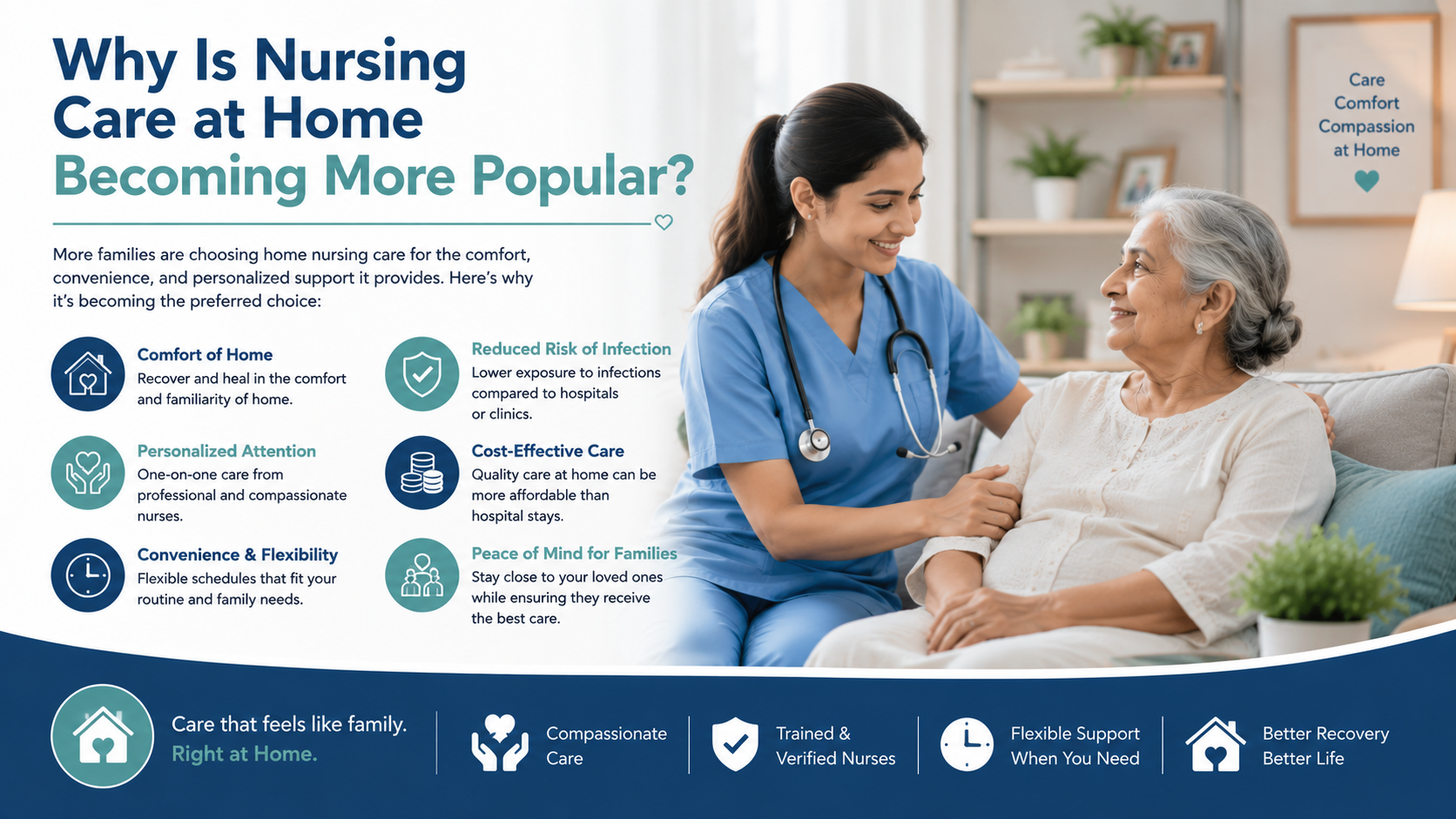
Healthcare is changing rapidly across the world. Hospitals increasingly encourage early discharge because many treatments can now continue safely at home under professional supervision.
Several factors contribute to the growing demand for home healthcare services.
Faster Recovery
Patients generally recover better in familiar surroundings where stress levels are lower and family support is readily available.
Studies published by organizations such as the World Health Organization (WHO) highlight the value of community-based healthcare and patient centered care for improving health outcomes.
Lower Risk of Hospital-Acquired Infections
Hospitals treat patients with many infectious diseases. Recovering at home may reduce exposure to healthcare-associated infections, especially for elderly or immunocompromised individuals.
Personalized Attention
Unlike busy hospital wards, a home nurse focuses entirely on one patient during each visit.
This individualized approach allows nurses to:
- Monitor subtle health changes
- Answer patient questions
- Educate family members
- Adjust daily care routines
- Encourage treatment compliance
Greater Comfort
Patients often sleep better, eat familiar meals, and experience less anxiety when receiving medical care at home.
Emotional well-being plays an important role in physical recovery.
Family Participation
Family members become active participants in patient recovery instead of remaining visitors.
Nurses educate caregivers about:
- Safe mobility
- Medication schedules
- Nutrition
- Emergency warning signs
- Hygiene practices
- Rehabilitation exercises
This collaborative approach improves long-term health outcomes.
How Is Skilled Nursing Different from Personal Care Services?
Many people confuse skilled nursing with general caregiving. Although both provide valuable support, they serve different purposes.
Feature | Skilled Nursing Services at Home | Personal Care Services |
Medical procedures | ✔ Yes | ✘ No |
Medication administration | ✔ Yes | ✘ No |
Wound care | ✔ Yes | ✘ No |
IV therapy | ✔ Yes | ✘ No |
Health assessment | ✔ Yes | Limited |
Assistance with bathing | Sometimes | ✔ Yes |
Meal preparation | Limited | ✔ Yes |
Housekeeping | ✘ No | ✔ Yes |
Requires licensed nurse | ✔ Yes | Not always |
Choosing the right service depends on the patient’s medical condition. Individuals requiring injections, wound care, rehabilitation, or disease management should receive care from qualified nursing professionals rather than relying solely on non-medical caregivers.
How Does Home Nursing Improve Recovery?
Professional nursing care is more than providing medical treatment. It creates a structured recovery plan that helps patients heal safely while maintaining their independence at home.
Research published by organizations such as the World Health Organization (WHO) and the International Council of Nurses (ICN) highlights that coordinated home healthcare can improve patient satisfaction, reduce avoidable hospital readmissions, and support continuity of care.
Some of the biggest recovery benefits include:
- Continuous monitoring of health conditions
- Early identification of complications
- Better medication adherence
- Reduced stress and anxiety
- Improved mobility through rehabilitation support
- Lower risk of infection
- Greater family involvement in care
- Better quality of life
For example, an elderly patient recovering from hip replacement surgery often regains mobility more confidently when a registered nurse monitors pain levels, assists with safe movement, and educates family members about fall prevention.
Which Medical Conditions Can Be Managed at Home?
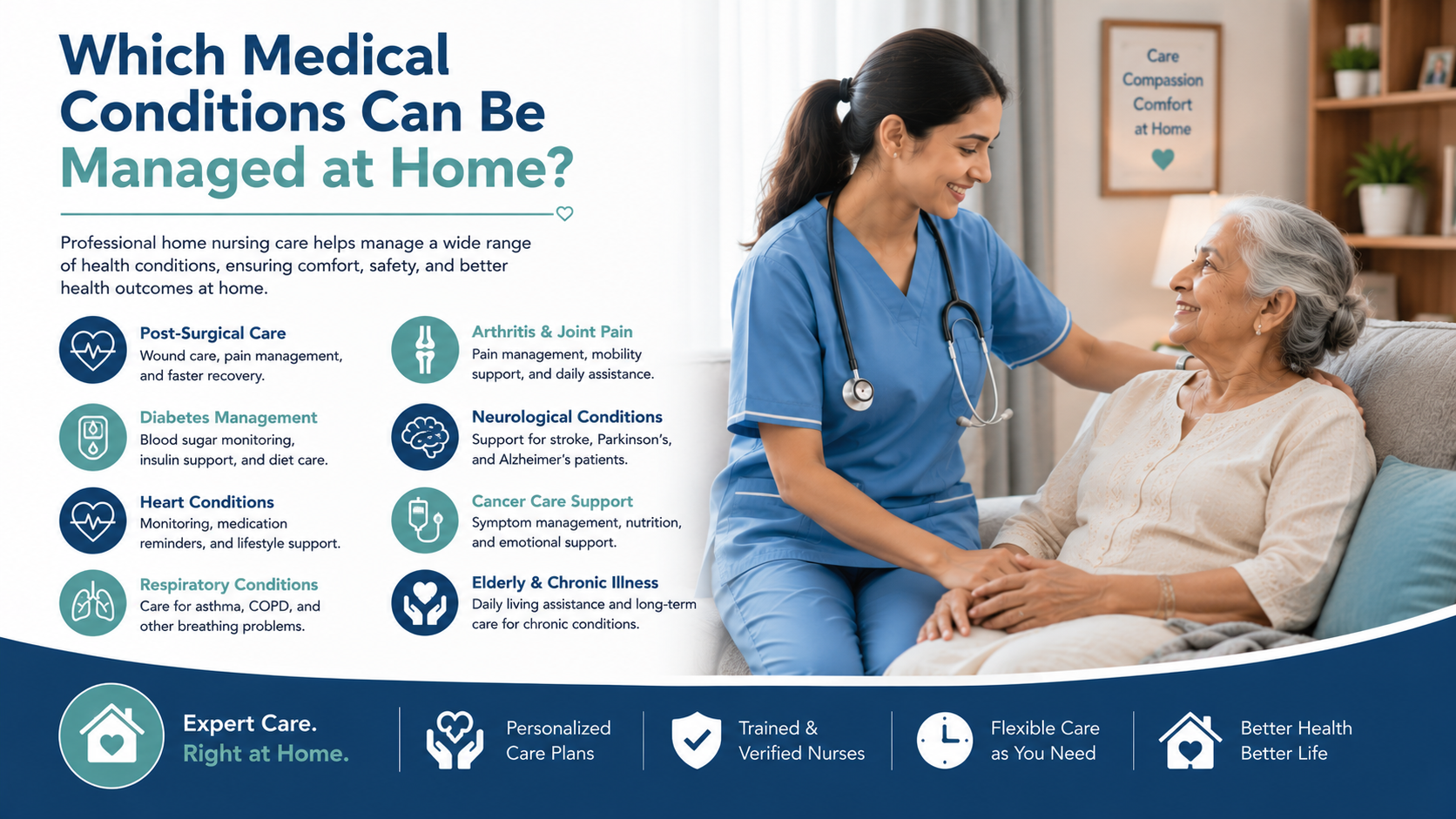
Modern home health nursing covers a wide range of short term and long-term medical conditions.
Diabetes Management
Diabetes requires consistent monitoring to prevent complications.
Home nurses assist with:
- Blood sugar monitoring
- Insulin administration
- Medication management
- Diabetic wound care
- Nutrition education
- Lifestyle guidance
Regular nursing visits help patients maintain better glucose control and reduce emergency hospital visits.
High Blood Pressure
Uncontrolled hypertension increases the risk of heart attack and stroke.
A home nurse can provide:
- Blood pressure monitoring at home
- Medication reminders
- Lifestyle counseling
- Risk assessment
- Physician communication
Early detection of abnormal readings allows timely medical intervention.
Stroke Rehabilitation
Stroke recovery is often a long process requiring coordinated medical care.
Professional nurses support patients by providing:
- Mobility assistance
- Rehabilitation nursing
- Medication supervision
- Pressure sore prevention
- Swallowing precautions
- Family caregiver education
Recovery plans are adjusted according to each patient’s progress.
Parkinson’s Disease
Patients living with Parkinson’s disease benefit from ongoing nursing support because symptoms gradually change over time.
Services commonly include:
- Medication scheduling
- Fall prevention
- Mobility assistance
- Nutrition monitoring
- Daily health assessment
- Emotional support
Dementia Care
Dementia patients often require specialized supervision to ensure safety and preserve their quality of life.
Professional nurses help by:
- Monitoring behavioral changes
- Reducing fall risks
- Supporting daily routines
- Managing medications
- Assisting family caregivers
A structured care plan also helps reduce caregiver burnout.
Cancer Care
Cancer treatment frequently involves complex medical needs.
Home nursing may include:
- Pain management
- Injection services
- IV therapy
- Symptom monitoring
- Nutritional support
- Medication administration
- Emotional care
Patients often feel more comfortable receiving treatment in familiar surroundings.
What Specialized Nursing Services Are Available at Home?
Today’s healthcare providers deliver many advanced clinical services without requiring prolonged hospitalization.
Home ICU Nursing
Critically ill patients may require intensive monitoring after hospital discharge.
Home ICU nursing can include:
- Oxygen therapy monitoring
- Ventilator assistance
- Tracheostomy care
- Cardiac monitoring
- Airway management
- Emergency response preparedness
These services are provided by highly trained nurses working closely with physicians.
Critical Care Nursing at Home
Some patients require advanced observation due to severe illnesses or recent surgeries.
Examples include:
- Cardiac recovery
- Neurological disorders
- Respiratory diseases
- Organ failure recovery
- Complex infections
Critical care nurses closely monitor vital signs and identify complications before they become emergencies.
Bedridden Patient Care
Patients confined to bed require specialized nursing to prevent complications.
Daily care often includes:
- Position changes
- Skin assessment
- Pressure sore prevention
- Hygiene support
- Feeding assistance
- Respiratory care
- Mobility exercises
Without proper nursing, bedridden patients face a higher risk of infections and pressure ulcers.
Palliative Home Care
Palliative care focuses on comfort rather than curing serious illnesses.
Professional nurses help patients by providing:
- Pain control
- Symptom management
- Emotional support
- Family education
- Medication management
- End of life comfort care
The goal is to improve quality of life while respecting the patient’s wishes.
When Should You Hire a Home Nurse?
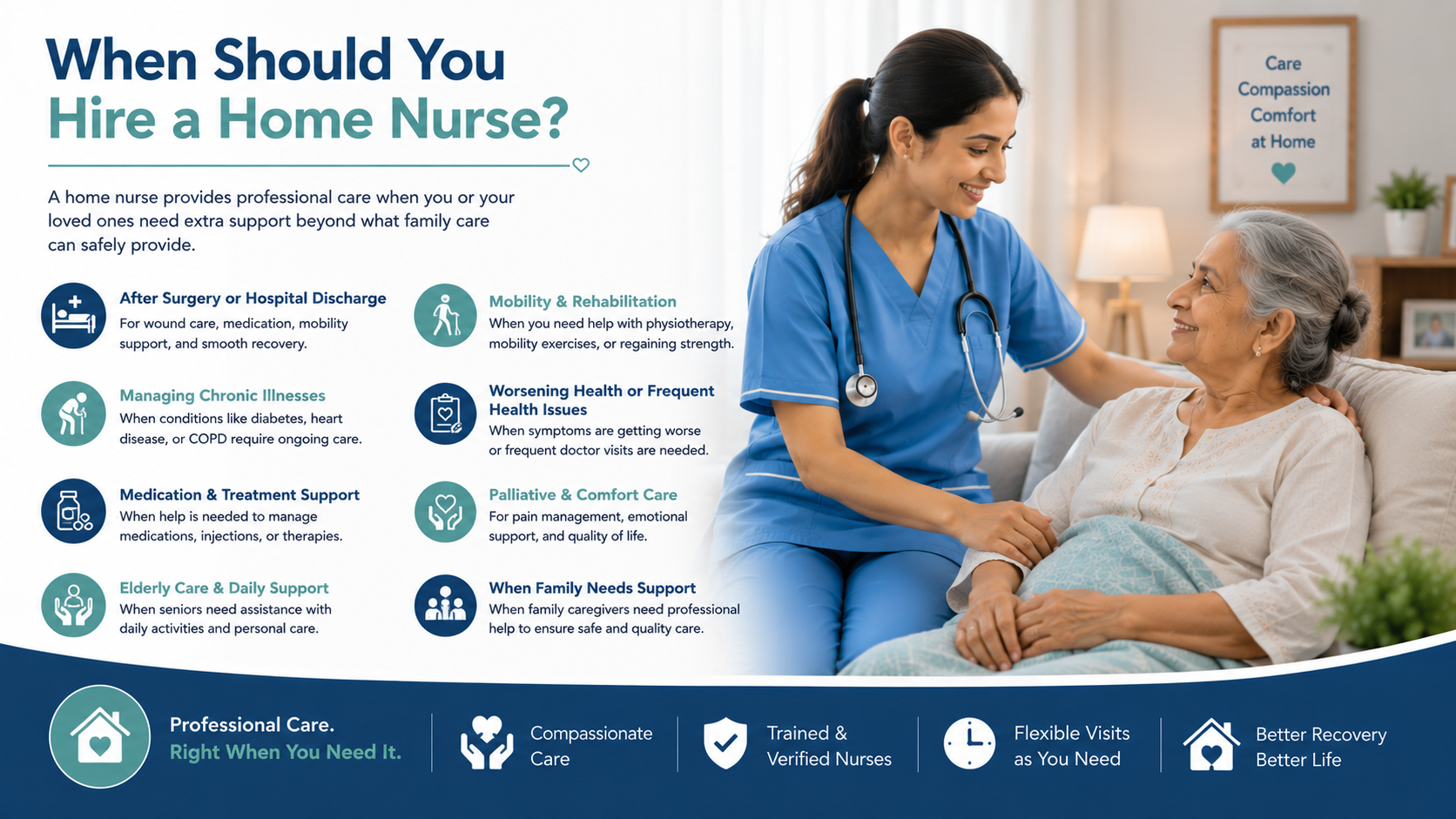
Many families wait until a medical emergency occurs before seeking professional assistance.
However, early intervention often leads to better outcomes.
Consider hiring a qualified home nurse if your loved one:
- Has recently undergone surgery
- Needs daily injections or IV therapy
- Has difficulty walking safely
- Requires wound dressing changes
- Lives with diabetes or heart disease
- Has frequent falls
- Experiences memory problems
- Needs catheter or feeding tube care
- Requires long term rehabilitation
- Has multiple medications to manage
Seeking professional care early can prevent avoidable complications and hospital readmissions.
What Qualifications Should a Home Nurse Have?
Choosing a qualified healthcare professional directly affects patient safety.
Look for nurses who possess:
Professional Credentials
- Registered Nurse (RN)
- Licensed Practical Nurse (LPN), where applicable
- Certified nursing qualifications
- Valid professional licensing
Clinical Experience
Experience should match the patient’s condition.
For example:
- ICU experience
- Post operative care
- Elderly nursing
- Oncology nursing
- Rehabilitation nursing
- Critical care
Essential Skills
A professional home nurse should demonstrate:
- Strong clinical judgment
- Compassion
- Excellent communication
- Infection prevention knowledge
- Emergency response skills
- Accurate documentation
- Patient education abilities
How Do You Choose the Best Home Healthcare Provider?
Selecting the right provider requires more than comparing prices.
Use this checklist before making a decision.
Verify Licensing
Always confirm that the organization employs qualified nurses with appropriate certifications.
Evaluate Experience
Ask whether they have experience treating patients with conditions similar to your loved one’s diagnosis.
Review Available Services
A reputable provider should offer comprehensive services such as:
- Home medical assistance
- Rehabilitation support
- Chronic disease management
- Medication administration
- Home caregiver coordination
- Emergency nursing visits
Ask About Emergency Support
Medical needs can change unexpectedly.
Choose providers offering:
- 24-hour home nursing care
- Day and night nursing services
- Emergency home nursing
- On-call medical assistance
Read Patient Reviews
Feedback from previous patients provides valuable insight into:
- Nurse professionalism
- Reliability
- Communication
- Response times
- Overall quality of care
Look for consistently positive reviews rather than isolated testimonials.
Request a Personalized Care Plan
Every patient has unique healthcare needs.
A quality provider performs a comprehensive nursing assessment before creating an individualized treatment plan.
This ensures the care delivered matches the patient’s medical condition, recovery goals, and physician recommendations.
How Much Do Home Nursing Services Cost?
The cost of home nursing services varies depending on several factors, including the patient’s medical condition, the nurse’s qualifications, the duration of care, and the level of medical support required.
Common factors that influence pricing include:
- Type of nursing care required
- Number of hours per visit
- Daytime or overnight care
- Medical procedures involved
- Emergency nursing requirements
- Nurse’s experience and certification
- Location and travel distance
For example, basic nursing visits for medication administration or wound dressing generally cost less than specialized services such as Home ICU nursing or critical care nursing at home.
Instead of choosing the lowest-priced option, focus on quality, patient safety, and the experience of the healthcare provider. Reliable care often leads to fewer complications and better recovery, making it a worthwhile investment.
What Mistakes Should Families Avoid When Hiring a Home Nurse?
Choosing the wrong provider can affect a patient’s recovery and overall health. Avoid these common mistakes:
Hiring Based Only on Price
Affordable care is important, but quality should always come first. Experienced and qualified nurses provide safer and more effective treatment.
Not Verifying Credentials
Always confirm that the nurse is licensed, trained, and experienced in managing the patient’s specific condition.
Ignoring Care Planning
A professional provider should perform a nursing assessment and develop a personalized care plan rather than offering the same approach to every patient.
Delaying Professional Care
Waiting until a condition becomes severe may increase the risk of complications. Early nursing support often leads to faster recovery and fewer hospital visits.
Poor Communication
Families should maintain regular communication with the nurse and treating physician to ensure coordinated care and timely adjustments to the treatment plan.
What Are the Best Practices for Safe and Effective Home Nursing?
To achieve the best outcomes, patients and caregivers should follow these expert recommendations:
- Follow the physician’s treatment plan carefully.
- Keep medications organized and administered on time.
- Maintain proper hygiene to reduce infection risks.
- Encourage light physical activity if medically approved.
- Monitor vital signs as advised by the healthcare team.
- Report unusual symptoms immediately.
- Keep emergency contact numbers easily accessible.
- Attend scheduled follow-up appointments.
- Ensure medical equipment is clean and functioning correctly.
- Involve family members in the patient’s daily care routine.
These simple practices can significantly improve patient recovery and reduce the likelihood of complications.
Why Are Home Healthcare Services Growing in Pakistan?
The demand for professional home nursing care in Pakistan has increased steadily over the past few years. Families are increasingly choosing home-based medical care because it combines professional treatment with the comfort of familiar surroundings.
In cities like Karachi, Lahore, and Islamabad, many healthcare providers now offer:
- Qualified home nurses
- 24/7 nursing support
- Elderly home nursing care
- Post surgery nursing
- Chronic disease management at home
- Rehabilitation services
- Home medical assistance
- Emergency nursing visits
This growing availability allows patients to receive high-quality medical care without frequent hospital admissions, making healthcare more convenient and patient-centered.
Is Home Nursing Better Than Hospital Care?
The answer depends on the patient’s medical condition.
The following comparison can help families make an informed decision.
Feature | Home Nursing Care | Hospital Care |
Comfortable home environment | ✔ | ✘ |
Personalized one-on-one attention | ✔ | Limited |
Lower exposure to hospital-acquired infections | ✔ | ✘ |
Suitable for long-term recovery | ✔ | Limited |
Immediate access to advanced emergency equipment | Limited | ✔ |
Continuous monitoring for critical emergencies | Limited (unless Home ICU) | ✔ |
Family involvement | High | Moderate |
Daily routine flexibility | High | Low |
Patients with stable medical conditions often recover well at home with skilled nursing support.
However, individuals requiring emergency surgery, intensive monitoring, or highly specialized hospital equipment may still need inpatient care.
Expert Recommendations for Choosing Quality Home Nursing
Healthcare professionals recommend selecting a provider that prioritizes patient safety, transparency, and evidence-based care.
Before hiring a service, ask these questions:
- Are the nurses registered and properly licensed?
- Do they have experience with the patient’s condition?
- Is a nursing assessment performed before care begins?
- Can they provide emergency support if needed?
- Will they coordinate with the patient’s physician?
- Are care plans reviewed regularly?
- Do they educate family caregivers?
- Is the pricing transparent with no hidden charges?
Choosing a trusted provider gives families peace of mind and helps patients receive consistent, high-quality care.
Frequently Asked Questions
What are in-home nursing services?
In-home nursing services involve professional medical care provided by qualified nurses in a patient’s home.
These services include medication administration, wound care, injections, IV therapy, health monitoring, rehabilitation support, and chronic disease management.
Who should hire a home nurse?
A home nurse is suitable for elderly individuals, post surgery patients, people with chronic illnesses, stroke survivors, cancer patients, bedridden patients, and anyone who requires ongoing medical care but does not need continuous hospitalization.
What qualifications should a professional home nurse have?
A professional home nurse should possess appropriate nursing qualifications, a valid license or registration, relevant clinical experience, and skills in patient assessment, medication management, infection prevention, and emergency response.
Can home nurses provide advanced medical care?
Yes. Depending on the patient’s condition and the provider’s capabilities, qualified nurses can offer services such as IV drip therapy, catheter care, tracheostomy care, feeding tube management, wound care, post-operative care, and critical care nursing at home.
How do I choose the best home nursing service?
Choose a provider with licensed and experienced nurses, positive patient reviews, transparent pricing, personalized care plans, emergency support, and strong communication with physicians. Always verify credentials before making a decision.
Conclusion
Choosing in home nursing services can make a significant difference in a patient’s recovery, comfort, and overall quality of life.
Whether someone is recovering from surgery, managing a chronic illness, or requiring long-term elderly care, professional nursing at home offers personalized medical attention while allowing patients to remain in a familiar environment.
The right home healthcare provider delivers more than clinical treatment.
They build individualized care plans, monitor progress, educate family members, and work closely with physicians to ensure safe and effective recovery.
By selecting qualified nurses, verifying credentials, and focusing on patient-centered care, families can make confident healthcare decisions that support long-term well-being.
If you or a loved one requires skilled nursing care, consult a reputable home healthcare provider to discuss your medical needs and create a personalized care plan that promotes safe recovery at home.