

Growing older often brings health challenges that make everyday tasks difficult. Many senior citizens need help with mobility, medication, personal hygiene, or chronic disease management.
However, moving an elderly loved one to a care facility is not always the preferred option.
Most families want their parents or grandparents to remain comfortable in familiar surroundings while receiving professional support.
That is why senior care at home karachi has become one of the most trusted healthcare solutions for families.
Home healthcare combines medical expertise with compassionate assistance, allowing elderly individuals to enjoy greater comfort, dignity, and independence without leaving their homes.
Whether your loved one needs short-term recovery after surgery, long-term elderly care, dementia support, or 24/7 home nursing care, this guide explains everything you need to know before choosing the right service.
Why Is Home Based Elderly Care Becoming More Popular?
Home-based elderly care has transformed the way families support aging parents.
Instead of frequent hospital visits or nursing home admissions, professional caregivers now provide hospital-quality care inside the patient’s home.
According to the World Health Organization (WHO), healthy aging depends not only on medical treatment but also on maintaining independence, emotional wellbeing, and social connections. Home care supports all of these goals.
Some common reasons families choose home healthcare include:
- Seniors recover faster in familiar surroundings.
- Reduced risk of hospital acquired infections.
- Personalized care plans based on medical needs.
- Greater emotional comfort.
- Continuous family involvement.
- Flexible care schedules.
- Improved quality of life.
For many elderly patients in Karachi, home care creates the perfect balance between professional medical attention and family support.
What Services Are Included in Elderly Care at Home?
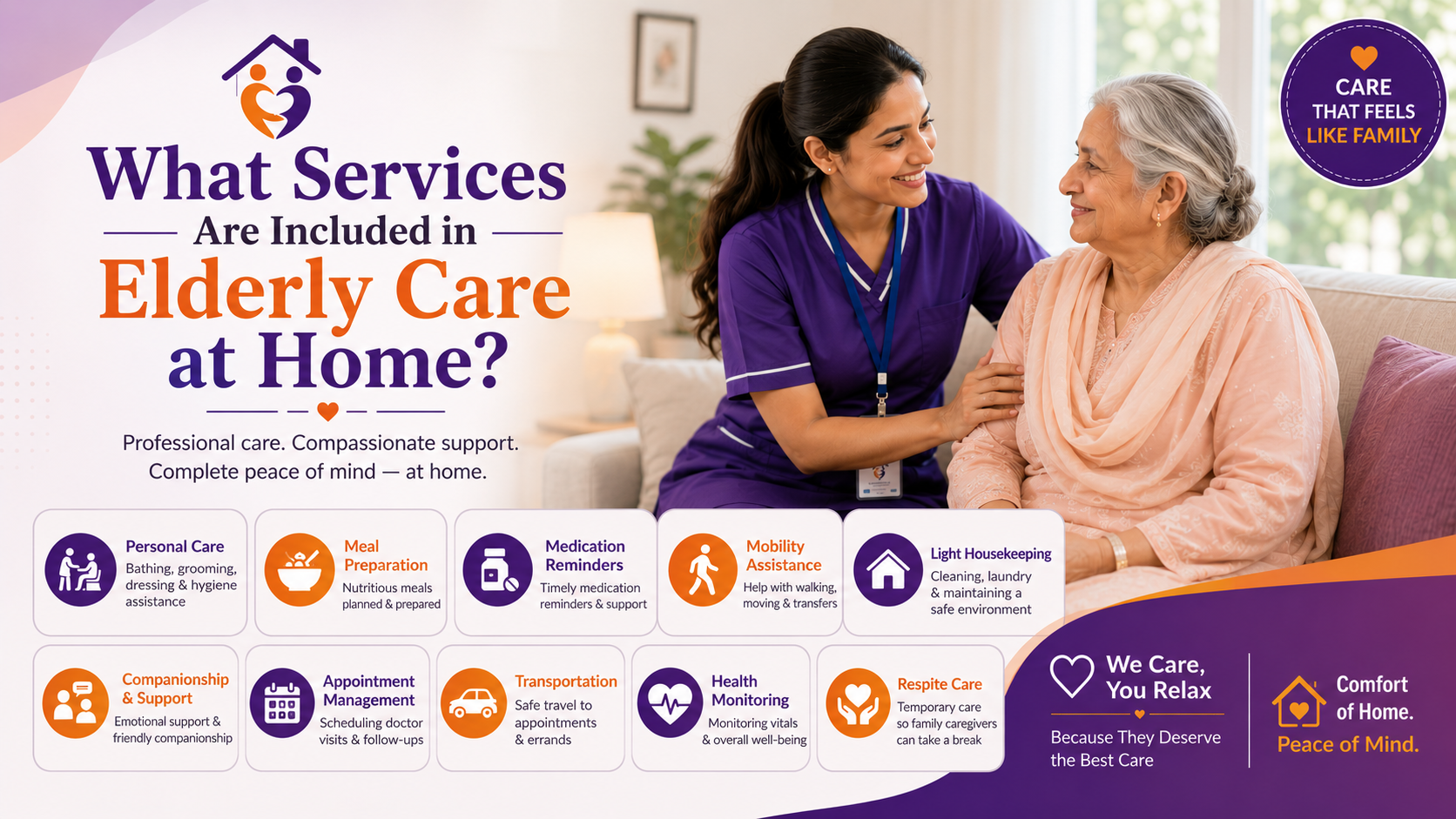
Professional home healthcare covers much more than basic nursing.
Depending on the patient’s condition, services may include:
Personal Care Assistance
Professional caregivers help seniors with daily activities such as:
- Bathing
- Dressing
- Grooming
- Oral hygiene
- Toileting assistance
- Feeding assistance
- Skin care
These services help maintain dignity while preventing complications like pressure sores and infections.
Medication Management
Many elderly patients take multiple medications every day.
Certified home nurses help by:
- Giving medicines on time
- Monitoring side effects
- Keeping medication schedules
- Coordinating with physicians
- Recording patient progress
Proper medication management reduces emergency hospital visits.
Vital Signs Monitoring
Routine monitoring helps detect health changes early.
Healthcare professionals regularly check:
- Blood pressure
- Blood sugar
- Oxygen saturation
- Heart rate
- Temperature
- Respiratory rate
Patients with diabetes, hypertension, heart disease, or chronic respiratory illnesses benefit greatly from continuous monitoring.
Mobility Assistance
Falls remain one of the leading causes of injury among senior citizens.
Professional caregivers assist with:
- Walking support
- Safe transfers
- Wheelchair assistance
- Bed positioning
- Stair navigation
- Exercise support
Fall prevention significantly improves elderly safety.
Hygiene and Daily Living Assistance
Many seniors require help completing everyday routines.
Caregivers provide assistance with:
- Meal preparation
- Laundry
- Light housekeeping
- Hydration reminders
- Bathroom safety
- Bed making
- Personal cleanliness
These services improve both physical health and emotional wellbeing.
Which Medical Conditions Can Be Managed Through Home Healthcare?
Modern home healthcare supports patients with both short-term and long-term medical conditions.
Common conditions include:
Dementia Care
Patients with dementia need structured routines, cognitive stimulation, and constant supervision.
Professional dementia caregivers help reduce:
- Confusion
- Wandering
- Anxiety
- Sleep disturbances
- Behavioral changes
Family members also receive guidance on creating a safer home environment.
Alzheimer’s Care
Alzheimer’s disease gradually affects memory, communication, and daily functioning.
Home caregivers assist with:
- Memory support
- Medication reminders
- Personal care
- Nutrition
- Safety supervision
- Emotional companionship
Early intervention often improves quality of life.
Parkinson’s Disease Care
Parkinson’s disease affects movement and balance.
Home nursing services help with:
- Walking assistance
- Physical exercises
- Medication timing
- Fall prevention
- Daily living activities
Many patients remain independent longer with consistent home support.
Stroke Recovery
Stroke rehabilitation often continues for months after hospital discharge.
Recovery services include:
- Mobility exercises
- Home physiotherapy
- Speech therapy coordination
- Muscle strengthening
- Balance training
- Daily activity assistance
A personalized rehabilitation plan speeds recovery.
Chronic Disease Management
Many elderly patients live with long term illnesses such as:
- Diabetes
- High blood pressure
- Heart disease
- Kidney disease
- Arthritis
- COPD
- Osteoporosis
Professional caregivers monitor symptoms and help patients follow their treatment plans consistently.
How Does Home Nursing Compare with Hospital Care?
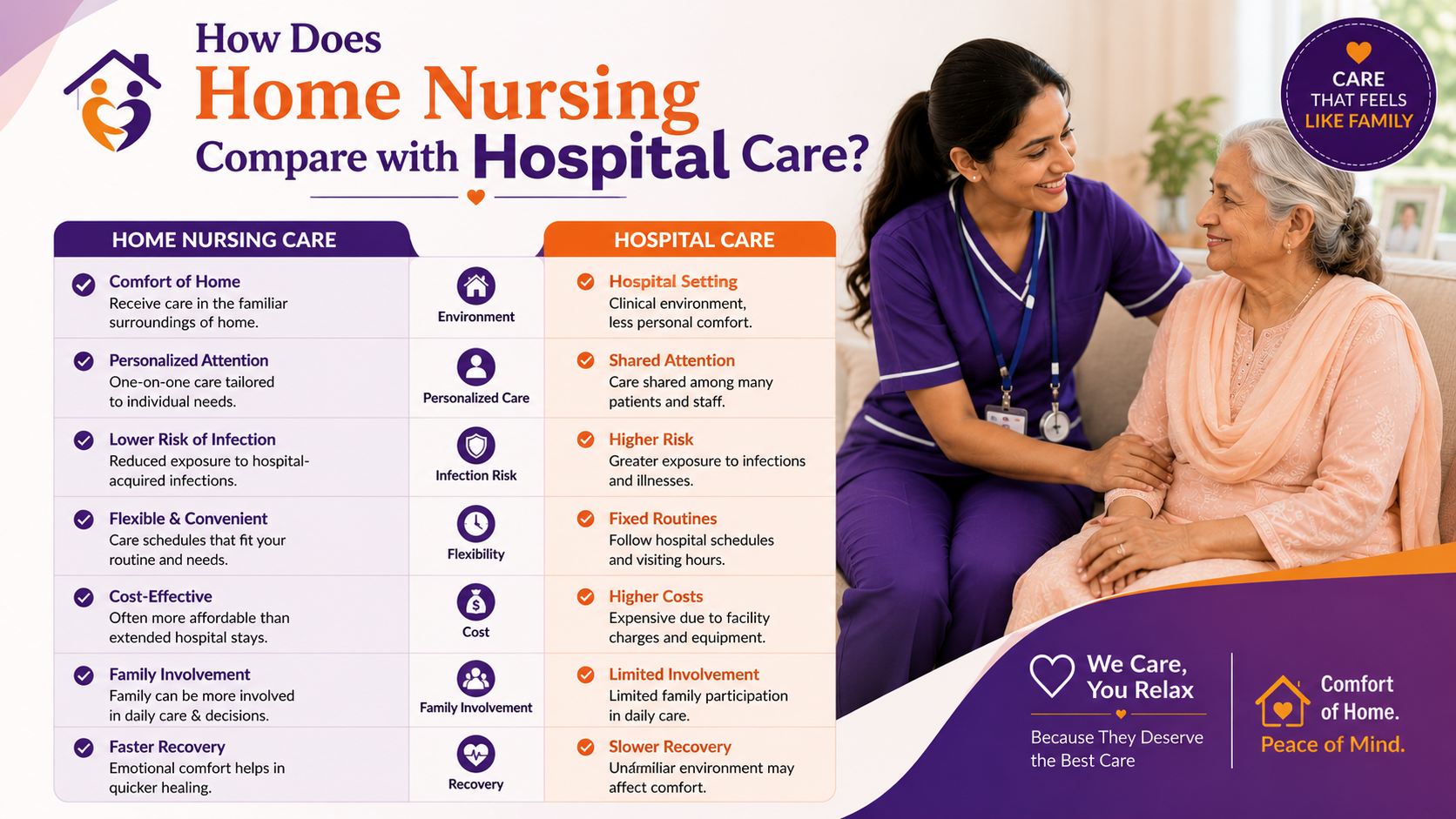
Home Healthcare | Hospital Care |
Comfortable home environment | Clinical setting |
Personalized one to one care | Shared staff attention |
Lower infection risk | Higher infection exposure |
Flexible care schedule | Fixed hospital routines |
Family involvement | Limited visiting hours |
Better emotional wellbeing | Less personal comfort |
Long term care available | Usually short term treatment |
For stable patients who no longer require hospitalization, home healthcare often provides a safer and more comfortable recovery experience.
What Makes a Professional Caregiver Different?
Not every caregiver has medical training.
A qualified caregiver may include:
- Certified home nurse
- Registered nurse
- Trained male attendant
- Trained female attendant
- Elder companion
- Medical attendant
- Rehabilitation assistant
Professional caregivers receive training in:
- Infection control
- Emergency response
- Patient handling
- Safe lifting techniques
- Medication assistance
- Elder communication
- Chronic disease care
- Patient safety
Choosing experienced caregivers greatly improves patient outcomes.
How Can You Choose the Best Home Care Provider for an Elderly Family Member?
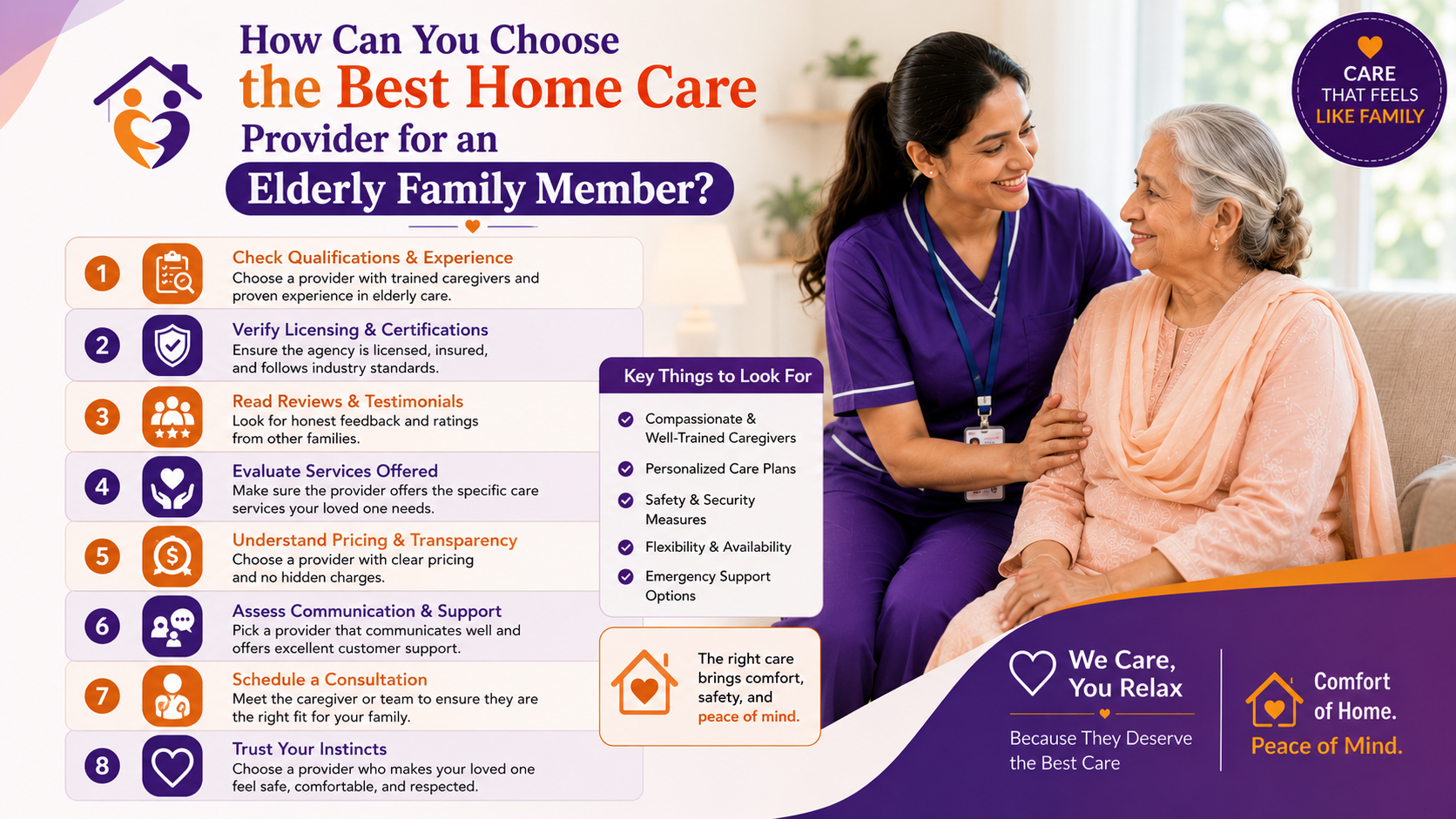
Selecting the right provider is one of the most important decisions you will make.
The quality of care directly affects your loved one’s health, safety, and emotional wellbeing.
Look for Qualified and Experienced Staff
Ask whether the agency provides:
- Certified home nurses
- Registered nurses
- Professional caregivers
- Trained male attendants
- Trained female attendants
- Home physiotherapists
- Medical attendants
Experienced caregivers know how to handle emergencies, assist with mobility, and communicate effectively with elderly patients.
Verify Background Checks
A reputable home caregiver agency in Karachi should conduct:
- Identity verification
- Police background checks
- Employment history verification
- Professional reference checks
This gives families greater peace of mind.
Check Service Availability
Choose a provider that offers flexible care plans, such as:
- Hourly care
- Daytime caregiver
- Overnight nursing care
- Weekend care
- Live in caregiver
- 24/7 home care
- Emergency support
The right plan depends on the patient’s medical condition and level of independence.
Ask About Personalized Care Plans
Every senior has unique needs. A good provider develops an individualized care plan based on:
- Medical history
- Current diagnosis
- Mobility level
- Medication schedule
- Dietary needs
- Rehabilitation goals
- Family preferences
Personalized care improves both comfort and treatment outcomes.
When Does an Elderly Person Need Full-Time Home Care?
Many families are unsure when occasional support is no longer enough.
A senior may benefit from full-time care if they:
- Experience frequent falls
- Have advanced dementia or Alzheimer’s disease
- Cannot bathe or dress independently
- Misses medications regularly
- Need oxygen therapy
- Are bedridden
- Have limited mobility
- Recover from major surgery
- Require continuous health monitoring
Early intervention often prevents unnecessary hospital admissions.
What Is the Difference Between Live-In Caregivers and Hourly Care?
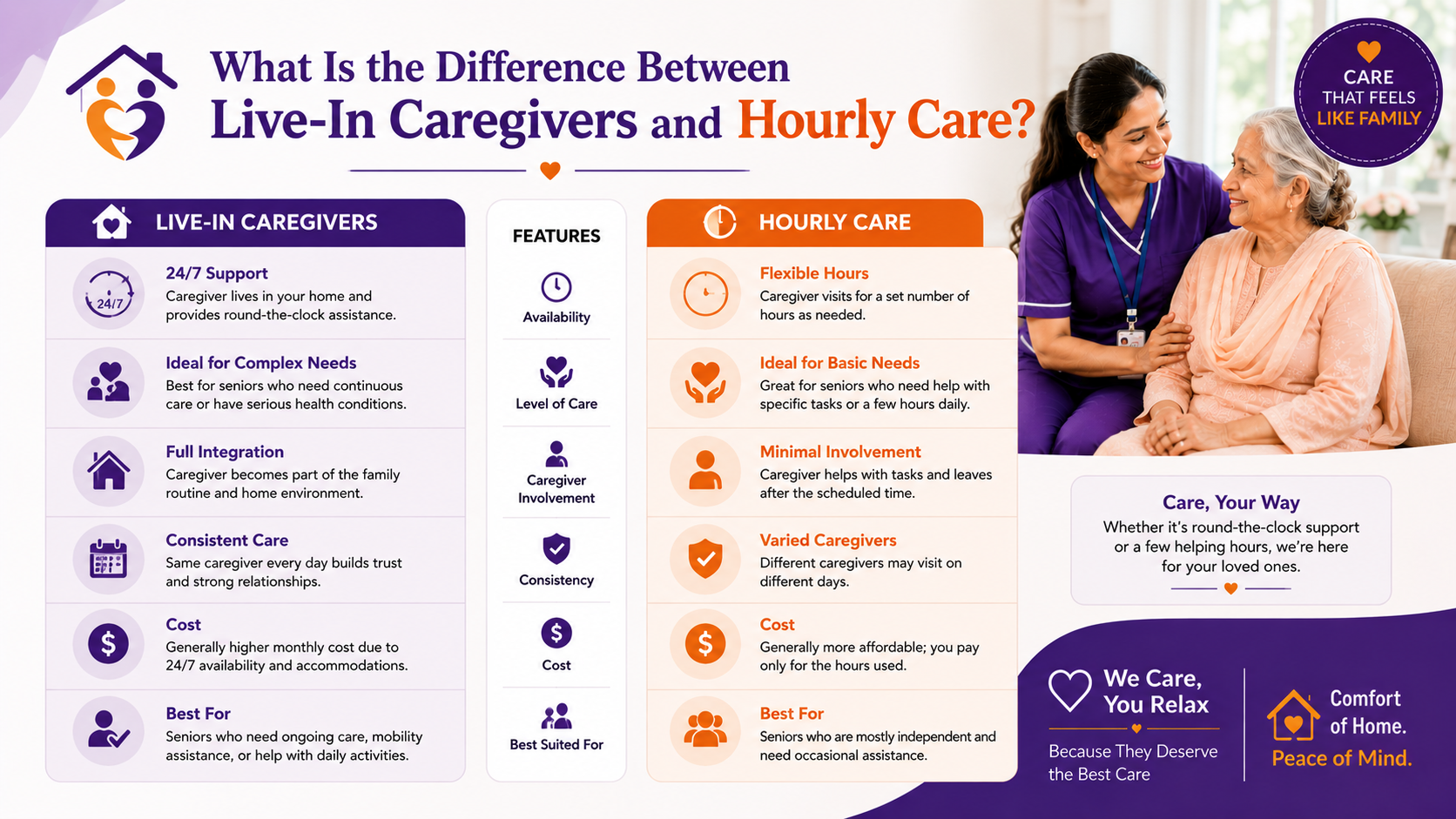
Choosing the right level of support depends on your loved one’s condition.
Live-In Caregiver | Hourly Caregiver |
Available throughout the day | Visits for scheduled hours |
Ideal for bedridden patients | Suitable for independent seniors |
Continuous monitoring | Limited supervision |
Better for dementia care | Good for companionship |
Supports daily routines | Assists with specific tasks |
Best for lng term care | More affordable for light care |
Families should discuss medical needs with healthcare professionals before deciding.
How Much Do Home Healthcare Services Cost in Karachi?
The cost varies depending on several factors.
These include:
- Caregiver qualifications
- Number of care hours
- Nursing requirements
- Medical equipment
- Physiotherapy sessions
- Doctor home visits
- Specialized dementia or Parkinson’s care
- Live in services
Although costs differ among providers, many families find home healthcare more economical than extended hospital stays while offering greater comfort.
Instead of choosing the lowest price, focus on:
- Staff experience
- Service quality
- Emergency support
- Patient safety
- Reviews and reputation
Quality care provides better long-term value.
What Are the Biggest Benefits of Professional Home Healthcare?
Professional home healthcare offers advantages that extend beyond medical treatment.
Better Emotional Wellbeing
Remaining at home helps seniors:
- Feel more secure
- Stay close to family
- Maintain familiar routines
- Reduce anxiety
- Enjoy greater independence
Personalized Medical Attention
Unlike busy hospitals, home caregivers focus on one patient, allowing closer observation and individualized support.
Lower Risk of Infections
Older adults often have weaker immune systems. Receiving care at home reduces exposure to hospital-acquired infections.
Faster Recovery
Patients recovering from surgery, stroke, or illness often progress more quickly when rehabilitation takes place in a familiar environment.
Support for Family Caregivers
Professional caregivers also reduce stress for family members by sharing daily responsibilities and providing respite care.
What Mistakes Should Families Avoid When Hiring a Caregiver?
Many families focus only on cost, which can lead to poor outcomes.
Avoid these common mistakes:
- Hiring untrained caregivers
- Ignoring background verification
- Choosing without checking references
- Not discussing emergency procedures
- Failing to create a written care plan
- Overlooking communication skills
- Delaying care until the patient’s condition worsens
Taking time to evaluate providers carefully helps ensure safer and more reliable care.
How Can Families Help Seniors Stay Healthy at Home?
Professional care works best when families stay involved.
Simple ways to support elderly loved ones include:
- Encourage light physical activity if approved by a doctor.
- Maintain a balanced diet.
- Keep medications organized.
- Schedule regular medical checkups.
- Remove household fall hazards.
- Promote social interaction.
- Monitor emotional wellbeing.
- Encourage proper hydration.
- Ensure adequate sleep.
- Keep emergency contact numbers easily accessible.
Small daily efforts can significantly improve long-term health and quality of life.
What Questions Should You Ask Before Hiring a Home Care Provider?
Before making a decision, ask these important questions:
- Are your caregivers certified?
- Do you provide registered nurses?
- Can care plans be customized?
- Is emergency support available?
- Do you offer 24-hour elderly care at home?
- Are caregivers trained in dementia and Alzheimer’s care?
- Can you provide home physiotherapy?
- How do you monitor patient progress?
- Do you coordinate with doctors?
- Are background checks completed for all staff?
These questions help you compare providers and choose the most suitable option.
Frequently Asked Questions
Who can benefit from home nursing services for elderly patients?
Home nursing services are suitable for senior citizens recovering from surgery, managing chronic illnesses, living with dementia or Parkinson’s disease, recovering from a stroke, or needing assistance with daily activities and medication management.
Can elderly patients receive 24-hour care at home?
Yes. Many home healthcare providers offer 24/7 home care with live-in caregivers or rotating nursing staff to provide continuous medical monitoring, personal care, and emergency support.
What is included in home healthcare for elderly parents?
Services may include personal hygiene assistance, medication management, vital signs monitoring, mobility support, feeding assistance, companionship, home physiotherapy, chronic disease management, rehabilitation, and coordination with doctor home visits.
How do I know if my parent needs a professional caregiver?
Signs include frequent falls, memory loss, difficulty managing medications, poor personal hygiene, limited mobility, repeated hospitalizations, or the inability to perform daily living activities safely without assistance.
Is home healthcare better than keeping an elderly patient in the hospital?
For patients who are medically stable, home healthcare often provides greater comfort, personalized attention, lower infection risk, and stronger family involvement. However, individuals requiring intensive medical treatment or emergency care may still need hospital admission.
Conclusion
Choosing senior care at home karachi allows elderly family members to receive compassionate, personalized, and professional healthcare while remaining in the comfort of their own homes.
From medication management and mobility assistance to dementia care, stroke rehabilitation, and long-term nursing support, home healthcare offers a practical solution for many families.
The best results come from selecting experienced caregivers, creating a personalized care plan, and staying actively involved in your loved one’s wellbeing.
With the right support, seniors can enjoy greater independence, improved health, and a better quality of life.
If you’re exploring home healthcare options, consult a trusted provider, discuss your family’s needs, and choose a service that prioritizes safety, dignity, and compassionate care.